


Listen to the article
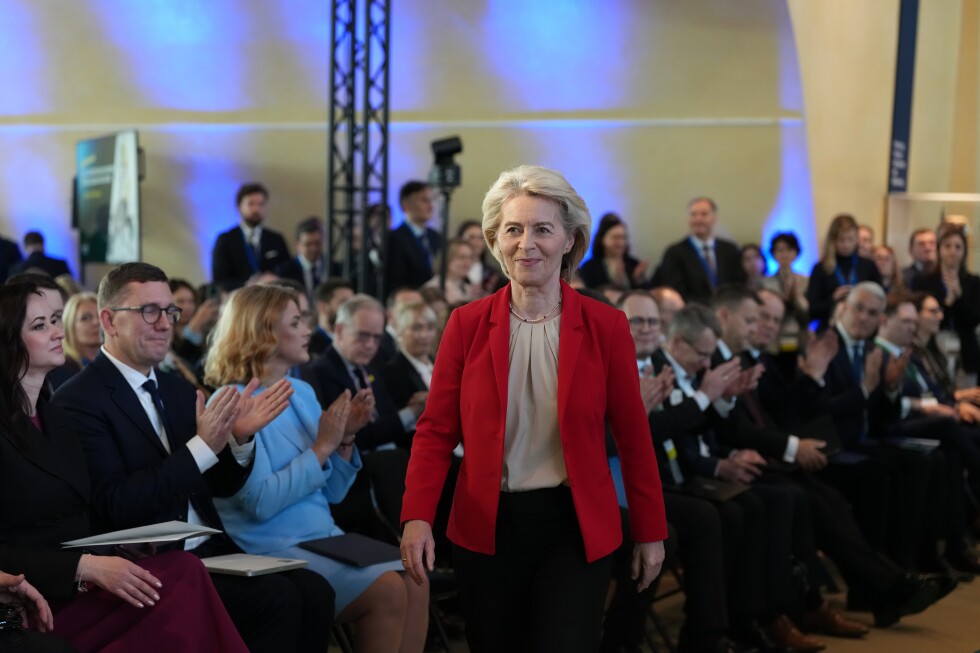
European Commission President Ursula von der Leyen announced Friday she will begin “provisionally implementing” a significant trade agreement with the Mercosur bloc of South American nations, despite not having secured approval from the European Parliament.
The controversial move aims to establish one of the world’s largest free trade zones, encompassing more than 700 million people across both continents. The economic stakes are substantial, with current trade between the EU and Mercosur exceeding 110 billion euros ($129 billion) and representing approximately a quarter of global GDP.
“This is about resilience, this is about growth, and Europe shaping its own future,” von der Leyen stated during a news conference where she took no questions. “Our businesses, our workers, and our citizens will reap the benefits, and they should reap them as soon as possible.”
The decision follows recent ratifications of the agreement by Uruguay and Argentina, two of the four Mercosur member nations, alongside Brazil and Paraguay. Von der Leyen’s move to provisionally implement the agreement effectively bypasses immediate parliamentary scrutiny, though she acknowledged that “the agreement can only be fully concluded once the European Parliament has given its consent.”
French President Emmanuel Macron swiftly condemned the maneuver, calling it “a bad surprise” for France and “bad manners” toward the European Parliament. Macron pledged vigilance regarding protections for farmers and health standards.
“I will never defend a deal that is lax on what we import and tough on what we produce at home, because that is inconsistent toward European consumers, and it is criminal for European sovereignty,” Macron declared, promising heightened surveillance of sensitive sectors and stricter sanitary rules.
The trade agreement has long faced staunch opposition from Europe’s agricultural sector and environmental groups. Critics argue that South American agricultural products could flood European markets without meeting the same stringent production standards imposed on EU farmers. Environmental organizations have raised concerns about potential increased deforestation in regions like the Amazon to expand agricultural production.
In January, European lawmakers voted to challenge the deal at the European Court of Justice, potentially delaying implementation for years or derailing it entirely. An open letter signed by 171 environmental, labor, and agricultural organizations from both continents condemned von der Leyen’s provisional implementation as a “democratic scandal.”
“Applying the trade deal now, without the Court’s opinion and without MEPs’ consent, would trample over the democratic processes,” the letter stated. “At a time when many in our society feel sidelined and are losing faith in political processes, opting for provisional application would be profoundly anti-democratic and would risk inflaming tensions within EU countries as well as between them.”
The agreement’s supporters, however, frame it as a strategic imperative in a rapidly changing global trade environment. Recent years have seen significant disruptions, including tariffs imposed by the United States and China’s restrictions on critical mineral supplies. These developments have pushed the 27-nation bloc to pursue multiple free trade agreements worldwide to ensure economic resilience and diversify trade partnerships.
Germany and Spain have emerged as staunch advocates for the deal. German Foreign Minister Johann Wadephul praised the implementation, saying it would allow “companies and people from both continents to finally benefit from more prosperity and growth.” Similarly, Spain’s Economy Minister Carlos Cuerpo characterized the agreement as “a major step in European Union’s roadmap to become more independent and resilient.”
Despite von der Leyen’s commitment to “continue closely with all EU institutions, member states, and stakeholders to ensure a smooth and transparent process,” the path forward remains uncertain. Even without legal challenges, full implementation could take months, and the European Parliament retains significant power over the agreement’s ultimate fate.
The Mercosur trade deal represents a pivotal test for the EU’s ability to balance competing domestic interests with its broader geopolitical and economic ambitions in an increasingly unpredictable global landscape.
Fact Checker
Verify the accuracy of this article using The Disinformation Commission analysis and real-time sources.

11 Comments
I wonder how this deal will impact the global supply of critical minerals and metals that are essential for the energy transition. Increased trade could help secure access, but sustainability concerns remain.
That’s a good point. The geopolitics and supply chain dynamics around strategic minerals will be an important factor to monitor.
As an investor, I’m curious to see how this deal impacts mining and commodities companies operating in the Mercosur region. Increased trade could drive demand, but there may be regulatory uncertainties to navigate.
Good point. Companies in sectors like gold, copper, and lithium will be watching closely to assess the risks and opportunities.
The provisional implementation of this trade deal is a bold move by the EU, but it raises concerns about the potential environmental and social impacts. Balancing economic interests with sustainability is crucial.
Interesting move by the EU to provisionally implement this trade deal with Mercosur. It could open up significant economic opportunities, but there are likely concerns about environmental and labor protections that will need to be addressed.
Agreed, the scale of this trade zone is substantial. Balancing economic interests with sustainability and human rights will be crucial.
The EU is taking a bold step in provisionally implementing this agreement. It demonstrates a desire to shape their economic future, as mentioned, but also raises questions about parliamentary oversight and democratic processes.
This is a significant move by the EU, though the lack of immediate parliamentary approval is concerning. Hopefully, there is sufficient oversight and safeguards in place to ensure the agreement aligns with European values and priorities.
As someone interested in the uranium market, I’m curious to see if this deal opens up new opportunities for EU-Mercosur cooperation in the nuclear fuel supply chain. Secure access to uranium is crucial for Europe’s energy security.
Agreed, the uranium market and nuclear fuel supply are important considerations. Any developments in that area would be worth monitoring closely.