


Listen to the article
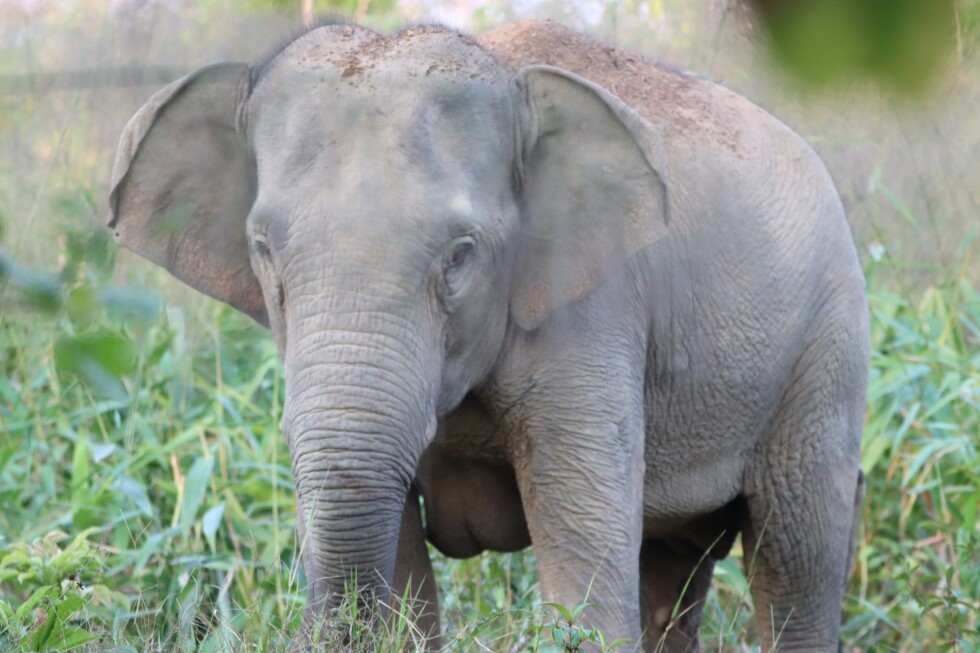
Thailand has launched a pioneering birth control vaccination program for wild elephants as part of broader efforts to reduce deadly human-elephant conflicts across the country. The initiative targets areas where human settlements increasingly encroach on shrinking elephant habitats, creating dangerous confrontations between villagers and the nation’s iconic animals.
The stark reality of these encounters was evident in last year’s statistics, with wild elephants killing 30 people and injuring 29 others across Thailand. Officials also documented more than 2,000 incidents of elephants damaging agricultural crops as the animals venture beyond their natural habitats in search of food.
Sukhee Boonsang, director of the Wildlife Conservation Office, explained that population control measures have become necessary as elephant numbers in residential border areas rise dramatically. “If we don’t take action, the impact on people living in these areas will continue to grow until it becomes unmanageable,” Boonsang told The Associated Press.
The conservation program began with 25 doses of a U.S.-manufactured contraceptive vaccine. After a successful two-year trial on seven domesticated elephants, officials administered the first shots to three wild elephants in eastern Trat province in late January. The vaccine prevents egg fertilization without stopping ovulation and provides birth control protection for seven years, after which elephants can reproduce again if no booster is given.
Authorities are carefully selecting the next target areas for the remaining 15 doses, focusing on regions with the highest rates of human-elephant conflict. These hotspots show wild elephant birth rates of approximately 8.2% annually—more than double the national average of 3.5%. About 800 of Thailand’s estimated 4,400 wild elephants live in these high-conflict zones.
The vaccination initiative has not been without controversy. Critics worry the program could undermine conservation efforts for elephants, which hold profound cultural and historical significance in Thailand. Elephants are officially recognized as a national symbol and have been integral to Thai culture for centuries, traditionally used in farming, transportation, and religious ceremonies.
Conservation officials emphasize that the contraception program represents just one component of a comprehensive strategy to reduce human-elephant conflicts. Additional measures include creating supplementary water and food sources within forests, constructing protective barriers around vulnerable communities, and deploying wildlife rangers to guide stray elephants back into protected areas.
The challenges of elephant management were highlighted earlier this month when a court-ordered relocation operation in northeastern Khon Kaen province resulted in tragedy. An elephant died during the process after receiving anesthesia, triggering public outcry and calls for improved protocols. Officials attributed the death to choking complications following sedation.
Athapol Charoenshunsa, director general of the Department of National Parks, Wildlife and Plant Conservation, expressed regret over the incident while maintaining that proper procedures had been followed. An investigation is underway to prevent similar occurrences in future operations.
Thailand’s situation reflects a growing global challenge where conservation goals increasingly conflict with agricultural expansion and urban development. As forests are cleared for farming, elephants lose critical habitat and food sources, forcing them into dangerous proximity with human settlements. The contraception program represents a pragmatic attempt to balance wildlife protection with human safety in a country where elephants remain culturally revered but increasingly problematic for rural communities.
Wildlife experts will closely monitor the vaccinated elephants throughout the seven-year effectiveness period to assess the program’s impact on both elephant welfare and human-elephant conflict reduction.
Fact Checker
Verify the accuracy of this article using The Disinformation Commission analysis and real-time sources.

12 Comments
Glad to see Thailand is taking a scientific approach to population control for its elephant herds. Vaccination is likely more ethical and effective than other methods like relocation or culling. Curious to see the long-term results.
Innovative use of contraceptive vaccines to manage the elephant population in Thailand. It’s a complex issue balancing wildlife conservation and human needs, but this seems like a reasonable compromise solution.
Protecting Thailand’s elephants is crucial, but the growing human settlements are putting increasing pressure on their habitats. This birth control program could be an important tool to find a sustainable balance.
Using a contraceptive vaccine seems like a humane and proactive way to manage the elephant population near expanding farms in Thailand. It’s good to see officials taking steps to reduce dangerous encounters between humans and wildlife.
Yes, a non-lethal solution is much preferable to culling elephants. Vaccination could be an effective alternative that allows the iconic species to be preserved.
Interesting use of contraceptive vaccines to manage Thailand’s elephant population. It’s a complex issue, but this seems like a reasonably humane and effective way to reduce dangerous encounters with expanding human settlements.
As human settlements expand into elephant habitats, these kinds of proactive population control measures become necessary. The birth control vaccine could be an effective way to reduce conflicts while protecting Thailand’s iconic species.
Agreed. Nonlethal population management is much preferable to culling or other more drastic measures that can disrupt the ecosystem.
Thailand is taking an interesting and potentially effective approach to the human-elephant conflict with this birth control vaccine program. It will be worth monitoring the long-term impacts on the elephant population and human-wildlife interactions.
Glad to see Thailand taking proactive steps to address the growing conflict between humans and elephants through this vaccination initiative. It’s a creative approach that could help strike a better balance between conservation and development needs.
Interesting approach to address the human-elephant conflict in Thailand. Balancing conservation and human needs is always a delicate challenge. I’m curious to see how effective the birth control vaccine will be long-term in controlling the elephant population.
This birth control vaccine program for Thailand’s elephants is an innovative solution to a challenging conservation issue. Reducing the population through non-lethal means could help mitigate dangerous encounters with humans and protect the elephants.