


Listen to the article
Thailand and Cambodia are set to resume critical ceasefire negotiations this week as border tensions intensify following recent deadly clashes that undermined previous peace efforts, Thailand’s foreign minister announced Monday.
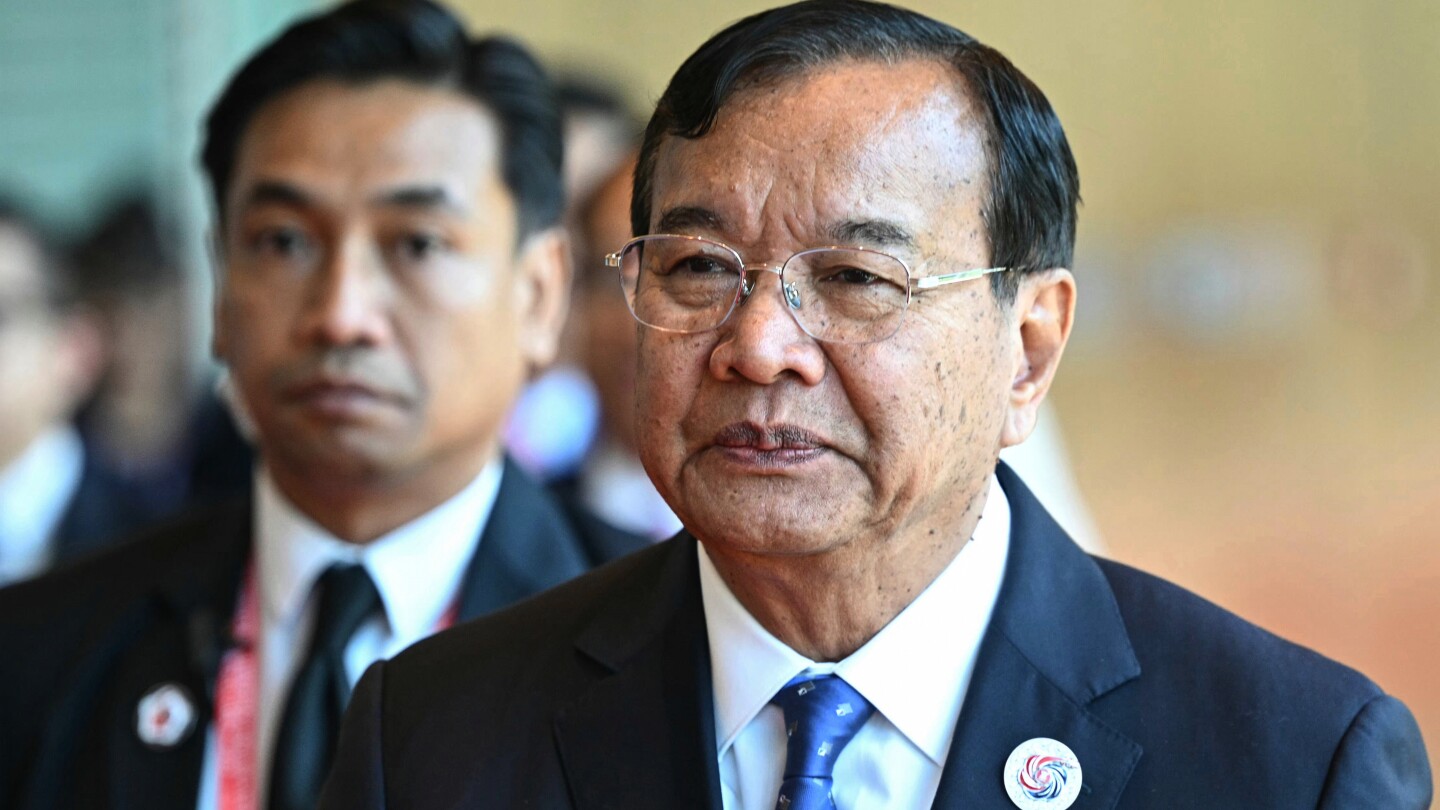
Thai Foreign Minister Sihasak Phuangketkeow, speaking after an Association of Southeast Asian Nations (ASEAN) meeting in Kuala Lumpur, emphasized that the October ceasefire agreement—hastily arranged to accommodate U.S. President Donald Trump’s schedule—lacked crucial implementation details necessary for lasting peace.
“This time, let’s thrash out the details and make sure the ceasefire reflects the situation on the ground and is one that really holds, with both sides fully respecting it,” Sihasak told reporters during a news conference.
The general border committee involving both nations will convene Wednesday to develop specific measures toward establishing a durable ceasefire. Sihasak expressed frustration with Cambodia’s public statements about being ready for an unconditional ceasefire, noting that Bangkok never received direct proposals, suggesting these declarations were aimed at generating international pressure rather than fostering genuine resolution.
The border conflict erupted into deadly combat two weeks ago, effectively nullifying the Trump-backed agreement that had temporarily halted five days of fighting in July. That initial agreement was brokered by Malaysia and pushed through under significant U.S. pressure, with Trump threatening trade sanctions unless both countries reached an accord.
Recent hostilities began on December 8, following a border skirmish that wounded two Thai soldiers the previous day. The conflict has since escalated dramatically, with Thailand conducting F-16 fighter jet airstrikes into Cambodian territory while Cambodia has fired thousands of medium-range BM-21 rockets from truck-mounted launchers capable of discharging up to 40 rockets simultaneously.
The human toll has been severe, with more than three dozen reported casualties and over half a million people displaced from communities along both sides of the contested border region.
The U.S. Department of State issued a statement Sunday urging both countries to “end hostilities, withdraw heavy weapons, cease emplacement of landmines, and fully implement the Kuala Lumpur Peace Accords,” which include mechanisms for humanitarian demining and addressing territorial disputes.
Land mines have emerged as a particularly contentious issue. Thailand has lodged several formal protests alleging that Cambodia planted new mines that have wounded Thai soldiers patrolling the frontier. Cambodia insists these explosives are remnants of its decades-long civil war that ended in 1999.
“These were clearly newly planted landmines, and this was confirmed by the ASEAN observer team,” Sihasak stated, calling it a “clear violation” of the October agreement. Thailand’s navy reported Sunday that one of its marines suffered serious injuries to his right leg after stepping on a land mine.
Thai officials claim to have discovered abandoned weapons and explosive ordnance in what they described as a former Cambodian stronghold, which they say demonstrates “deliberate planning and intentional use of anti-personnel landmines” against Thai forces.
In response, Thailand’s Foreign Ministry announced plans to send formal letters of protest to both Cambodia and Zambia, the current chair of the Anti-Personnel Mine Ban Convention (Ottawa Convention), seeking further action under the treaty’s enforcement mechanisms.
The territorial dispute centers on patches of land claimed by both nations along their shared border. Under the October truce, Thailand agreed to release 18 detained Cambodian soldiers, and both sides committed to removing heavy weapons and land mines from the border zone. However, propaganda campaigns and intermittent cross-border violence have persisted despite these commitments.
Cambodia has not yet responded to Thailand’s latest accusations regarding landmine deployment.
Fact Checker
Verify the accuracy of this article using The Disinformation Commission analysis and real-time sources.

13 Comments
From a mining and commodities perspective, I hope these ceasefire talks lead to a resolution that minimizes disruptions to regional trade and supply chains. Reliable access to natural resources is important for economic development.
Agreed. Stability along the Thailand-Cambodia border is crucial for the continued flow of key minerals, metals, and energy resources that fuel industries across Southeast Asia and beyond.
The details of this ceasefire agreement will be crucial. Both sides need to have clear, mutually-acceptable terms that address the root causes of the border disputes. Anything less risks a quick unraveling of the ceasefire.
This news highlights the ongoing geopolitical tensions in Southeast Asia. As a major mining and commodities hub, I wonder how these border clashes could impact regional supply chains and trade flows.
That’s a good point. Prolonged border instability could disrupt key transportation routes and logistics, affecting the movement of natural resources and other goods. Hopefully the ceasefire talks can lead to a resolution.
It’s encouraging to see Thailand and Cambodia return to the negotiating table. Effective conflict resolution in this region is important not just for the countries involved, but also for the broader economic interests tied to the area.
Absolutely. Stable borders and reliable supply chains are critical for mining, energy, and other commodity industries operating in Southeast Asia. A durable ceasefire would provide a foundation for continued investment and economic growth.
Interesting to see Thailand and Cambodia resuming ceasefire talks. Border disputes can be tricky to resolve, but I hope they can come to a durable agreement that addresses the underlying issues and leads to lasting peace in the region.
Agreed. A well-crafted ceasefire with clear implementation details will be crucial for stability along the border. Both sides need to be fully committed to upholding the terms.
Given the history of tensions between Thailand and Cambodia, I hope both sides approach these talks with flexibility and a genuine commitment to compromise. A durable ceasefire will require concessions from all parties.
Well said. Intransigence on either side could doom the negotiations. A pragmatic, good-faith effort to address each other’s core concerns will be needed for a lasting resolution.
As an investor in mining and energy equities, I’ll be closely watching these ceasefire talks. Geopolitical stability in Southeast Asia is crucial for ensuring consistent supply and predictable commodity prices.
Kudos to the ASEAN nations for facilitating these ceasefire negotiations. Resolving border conflicts in a cooperative manner is not easy, but it’s essential for maintaining regional security and economic prosperity.