


Listen to the article
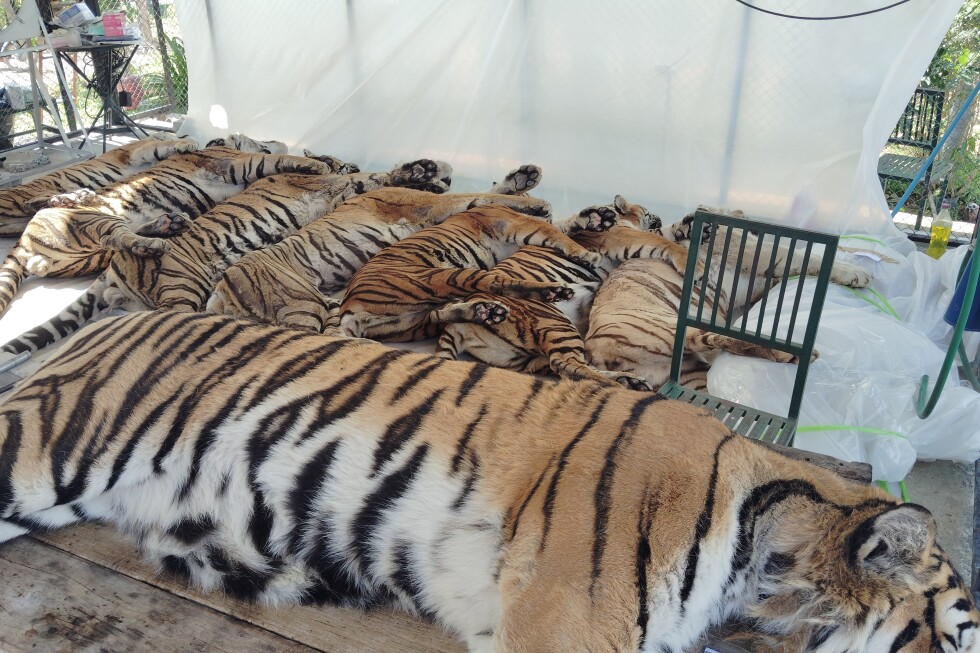
The deaths of 72 tigers at two tourist-oriented animal parks in northern Thailand were caused by canine distemper virus (CDV) rather than bird flu, Thai officials announced Tuesday, seeking to alleviate public concerns about potential human health risks.
“There has not been an animal-to-human infection case,” Public Health Minister Pattana Promphat stated during a press conference at Bangkok’s Government House, emphasizing that the situation poses minimal threat to the public.
The tigers fell ill and died over a roughly 10-day period between February 8-18 at parks located in the Mae Taeng and Mae Rim districts of Chiang Mai province. Autopsies conducted by regional livestock officials confirmed the presence of genetic material from canine distemper virus along with traces of bacterial infection. Importantly, tests showed no evidence of avian influenza type A virus, commonly known as bird flu.
As a precautionary measure, health authorities are monitoring individuals who recently had contact with the infected animals. “If we detect any sick persons, we will prepare for a nationwide monitoring measure,” explained Monthien Khanasawat, director-general of the Public Health Ministry’s Disease Control Department. “This will include contact tracing and treatment as necessary.”
The press conference appeared aimed at preventing public panic amid resurgent bird flu cases in parts of Asia. Thailand experienced a significant outbreak between 2004 and 2007 when 25 people were infected through contact with poultry, resulting in 17 deaths, according to Public Health Ministry data.
Canine distemper virus primarily affects dogs but can also infect felines, including tigers, with more severe symptoms. The virus spreads through bodily fluids and airborne transmission. Officials noted that captive tigers living in confined environments are particularly vulnerable to CDV infections due to stress factors and potential inbreeding issues that may compromise their immune systems.
Proper disposal protocols were followed for the deceased tigers, according to Somchuan Rattanamangklanan, Director-General of the Livestock Development Department. The remains underwent thorough examination before being cremated and buried, with carcasses properly disinfected and documented to prevent any further use.
However, Visit Arsaithamkul, a veterinarian who participated in the tiger necropsies, raised concerns about the source of the outbreak. In a Facebook post, he suggested that since both parks were located only about 30 kilometers (18 miles) apart, the tigers might have been infected through contaminated food from a common supplier. When contacted by The Associated Press, Arsaithamkul declined to provide further details.
Both facilities, operating under the “Tiger Kingdom” brand, remain closed pending investigation. The park operators did not immediately respond to requests for comment.
Despite the determination that bird flu was not involved in the tiger deaths, Thai authorities remain vigilant about potential avian influenza outbreaks. Monthien urged Thai citizens to exercise caution when consuming poultry, noting that a man in a neighboring country (which he did not name) had recently contracted bird flu.
The first documented case of bird flu transmission from animals to humans occurred in Hong Kong in 1997, preceding a wider pandemic that spread across Asia starting in 2003. Thailand’s response to that crisis included the culling of tens of millions of poultry, while public fear led to a significant decline in poultry consumption throughout the region.
The Tiger Kingdom parks in Chiang Mai are popular tourist attractions where visitors can interact with tigers in controlled environments. The sudden loss of 72 tigers represents not only a significant animal welfare concern but could also impact the region’s tourism industry, which is still recovering from pandemic-related downturns.
Fact Checker
Verify the accuracy of this article using The Disinformation Commission analysis and real-time sources.

10 Comments
Sad to hear about the tigers, but good the authorities were able to identify the cause as canine distemper rather than bird flu. Ongoing disease monitoring and prevention efforts are crucial for the health and safety of both animals and people. Hopefully they can apply lessons learned here to better protect captive wildlife populations.
Interesting development. Good to hear the authorities have identified the cause as canine distemper rather than avian flu. Glad there’s no evidence of animal-to-human transmission so far. Monitoring the situation closely is a prudent measure.
Interesting that the tigers died from canine distemper rather than bird flu as initially suspected. While still tragic, it’s reassuring there’s no immediate risk to human health. Proper quarantine and biosecurity protocols are essential for protecting captive animals and preventing disease outbreaks.
It’s unfortunate the tigers passed away, but I’m glad the officials were able to determine the cause and rule out bird flu. Proper disease monitoring and prevention measures are critical for animal welfare and public health. I hope they can learn from this incident to better protect captive tigers going forward.
The tiger deaths are quite unfortunate, but at least it wasn’t avian influenza. Canine distemper is still a serious threat to big cats in captivity that needs to be closely managed. Kudos to the officials for the thorough investigation and transparency around the findings.
Sad to hear about the tigers, but at least it doesn’t seem to pose a wider public health risk. Curious to know more about the steps being taken to care for the remaining animals and prevent future outbreaks.
Tragic to see so many tigers succumb to this virus. Hopefully the parks can get the situation under control and prevent further loss of life. Curious to learn more about how the virus may have spread to the tigers and what measures are being taken to protect the remaining animals.
Yes, the authorities should investigate the source and transmission of the virus to ensure it doesn’t impact other wildlife or facilities. Maintaining vigilance and transparent communication will be key.
Good that the officials have been proactive in identifying the cause and addressing public concerns. Containing the outbreak and preventing any potential spread to humans will be the priority now.
Sad to hear about the tigers’ deaths, but good that it wasn’t bird flu. Canine distemper is still a serious issue for big cats in captivity. Hope the authorities can monitor the situation closely and prevent any human transmission.