


Listen to the article
A video showing a Syrian militiaman holding what appears to be a severed braid from a Kurdish fighter has ignited widespread outrage amid escalating tensions in northeastern Syria, where Damascus is attempting to reassert control during a fragile ceasefire.
In the disturbing footage, the militiaman displays what he claims is a braid cut from a woman affiliated with the Kurdish-led Syrian Democratic Forces (SDF). When questioned about his actions, he dismissively replies, “She’s already gone, what will she do?” according to reporting by the London-based news outlet New Arab.
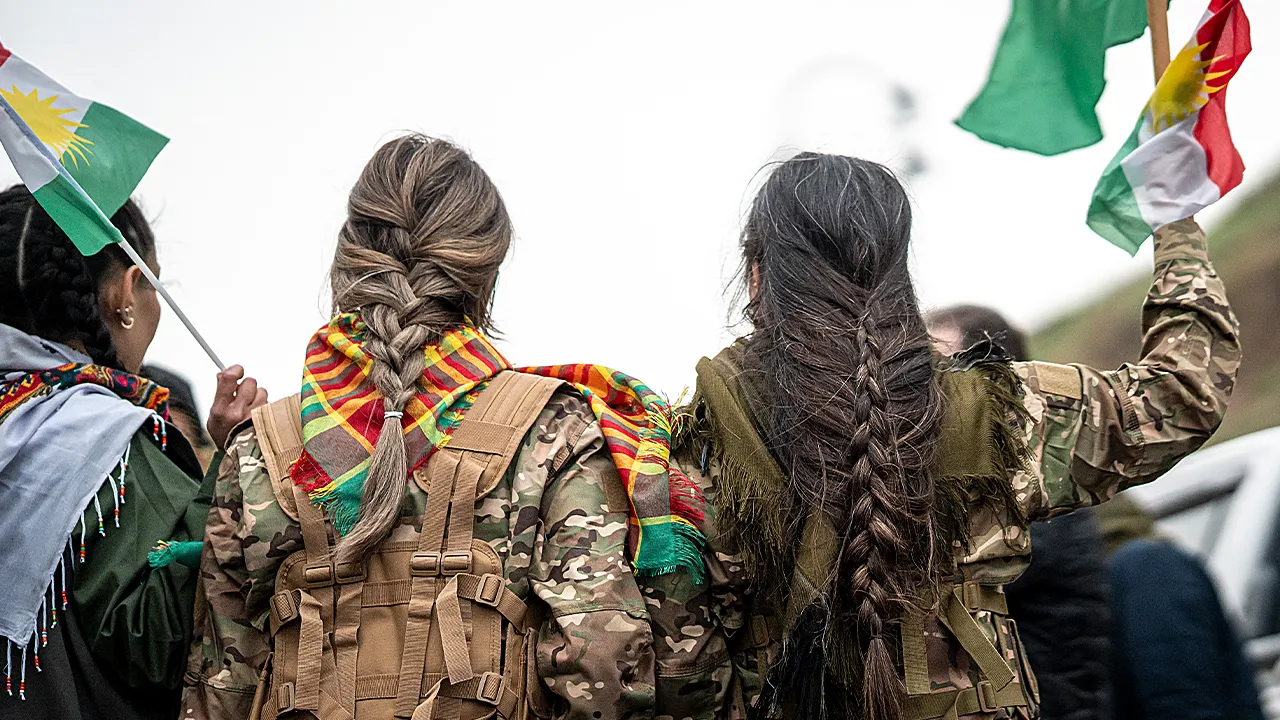
The video has sparked a powerful solidarity movement, with Kurdish women across the region braiding their hair in protest. This symbolic gesture highlights the braid’s cultural significance in Kurdish tradition, where it represents not only cultural identity but has become an emblem of women’s resistance.
“The video highlighted the fears many Kurds have about what Syrian government control could mean for their communities,” Syria analyst Nanar Hawach of International Crisis Group told reporters. While the militiaman later claimed the braid was “artificial” and “a joke,” the identity and fate of the alleged female fighter remain unverified. However, Hawach emphasized, “The response matters more than the video though.”
The incident comes at a critical juncture as Damascus, under President Ahmed al-Sharaa, pushes to expand its authority into territories long governed by the SDF, which has served as the United States’ primary partner in combating ISIS in Syria. This power struggle has resulted in renewed fighting across the region, particularly in Raqqa – once the self-proclaimed capital of the Islamic State – where clashes between Syrian government forces and Kurdish units prompted a U.S.-brokered ceasefire on January 18.
The ceasefire followed intensive diplomatic efforts led by U.S. envoy Tom Barrack, who met with SDF commander Mazloum Abdi and Kurdish leader Masoud Barzani in Erbil before traveling to Damascus for discussions with al-Sharaa. The truce has since been extended by 15 days, creating what Hawach describes as “a real diplomatic window,” though he cautions that it “postpones rather than resolves the fundamental dispute.”
At the core of this standoff lies a profound disagreement over integration. Damascus insists on individual integration of Kurdish fighters into government structures, while the SDF views such organizational dissolution as political erasure. “For Syria’s Kurds, the extension offers temporary relief but perhaps little certainty about what comes next,” Hawach noted.
The ceasefire extension is also closely tied to serious security concerns surrounding ISIS prisoners detained in northeastern Syria. As Damascus has taken control of several detention sites, the transition has been chaotic, with some prisoners escaping during the handover process. This security breakdown prompted U.S. Central Command to begin transferring detainees to Iraq on January 21, an operation that remains ongoing.
“Washington is racing to transfer detainees before the security situation deteriorates further,” Hawach explained. “Washington’s goal is to prevent this standoff from producing two outcomes: violence against Kurds, or an Islamic State resurgence from detention facilities.”
The United States finds itself in a delicate balancing act, attempting to prevent ethnic violence while also ensuring that the power transition doesn’t provide an opportunity for ISIS to regroup and reclaim territory. However, with fundamental disagreements between the SDF and Damascus still unresolved, analysts warn that renewed fighting remains a distinct possibility when the current ceasefire expires.
“If they cannot bridge that gap, renewed fighting is possible when this new 15-day ceasefire expires,” Hawach cautioned, underlining the precarious nature of the current calm in a region that has already endured years of conflict, displacement, and uncertainty.
Fact Checker
Verify the accuracy of this article using The Disinformation Commission analysis and real-time sources.

10 Comments
This is a deeply disturbing incident that highlights the fragility of the ceasefire and the ongoing tensions in northeastern Syria. The militiaman’s callous disregard for the cultural significance of the braid is troubling.
The solidarity movement of Kurdish women braiding their hair in protest is a powerful display of unity and resistance. It is a reminder that cultural identity and traditions can be powerful tools in the face of adversity.
The cultural significance of the braid and its use as a symbol of resistance is a testament to the strength and resilience of the Kurdish people. I hope this incident does not lead to further violence and human rights abuses.
This incident underscores the need for a lasting and comprehensive peace settlement that addresses the legitimate concerns and rights of all parties in the region. The international community must remain engaged and committed to finding a peaceful resolution.
This is a complex and delicate situation that requires a measured and diplomatic approach to de-escalate tensions and safeguard the rights of all parties involved.
While the militiaman claims the braid was artificial, the incident still raises serious concerns about the treatment of Kurdish fighters and civilians under the control of the Syrian government.
The symbolic gesture of Kurdish women braiding their hair in protest is a powerful response that demonstrates the resilience and unity of the Kurdish community in the face of such atrocities.
I hope the international community closely monitors the situation to ensure the protection of Kurdish civilians and their cultural rights.
This is a deeply concerning incident that has the potential to further escalate tensions and undermine the fragile ceasefire. It is crucial that all parties involved prioritize de-escalation and the protection of civilian rights.
While the militiaman’s claims of the braid being artificial may be true, the damage has already been done in terms of the psychological and emotional impact on the Kurdish community. Transparency and accountability will be crucial going forward.