


Listen to the article
Swedish authorities have launched an investigation into a tanker vessel suspected of operating under a false flag in the Baltic Sea, marking the second such incident in Swedish waters within a week.
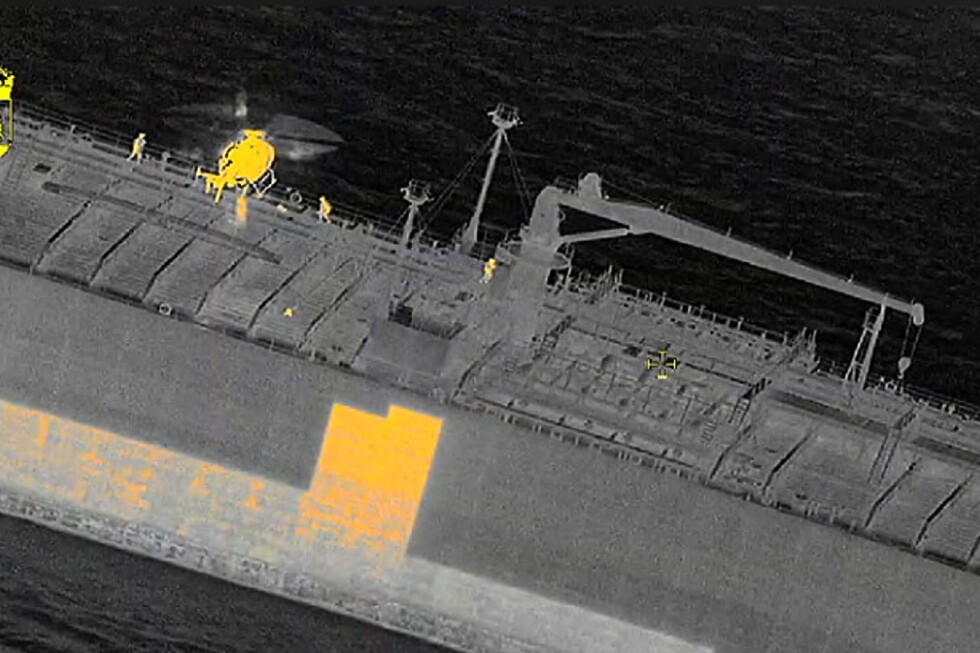
The Swedish Coast Guard intercepted the “Sea Owl I” on Thursday near Trelleborg, on Sweden’s southern coast. Officials report that while the vessel was flying the flag of Comoros, an island nation off East Africa’s coast, investigators have reason to believe this identification is fraudulent.
According to a statement from the coast guard, the tanker appears on the European Union’s sanctions list and was traveling from Brazil toward Russia when intercepted. Though previously used to transport oil between these nations, authorities found no cargo aboard during Thursday’s inspection.
Coast guard personnel are now conducting a thorough search of the vessel and interviewing crew members to verify its seaworthiness and determine its true identity and ownership.
This investigation follows closely on the heels of another case involving the cargo ship “Caffa,” which was detained last week in Swedish territorial waters. That vessel, reportedly sailing with a predominantly Russian crew, stands accused of transporting stolen grain while being listed on Ukraine’s sanctions register.
These incidents highlight Sweden’s intensified maritime enforcement strategy, announced last year, which specifically targets Russia’s so-called “shadow fleet.” This network consists primarily of aging vessels used to circumvent international sanctions by transporting Russian oil and gas or carrying grain allegedly stolen from Ukrainian territories.
Maritime security experts note that these shadow fleet vessels present significant environmental and safety concerns. With an average age of approximately 18 years, they are approaching the end of their operational lifespans and face higher risks of accidents, particularly if maintenance standards are compromised to reduce costs.
“Older vessels operating outside normal regulatory frameworks pose substantial risks in the Baltic, which is already an environmentally sensitive and busy shipping area,” said a maritime security analyst who requested anonymity because they weren’t authorized to speak publicly on the matter.
To counter these threats, the Swedish government instructed its Coast Guard and Maritime Administration to implement enhanced verification procedures. Rather than limiting inspections to ships calling at Swedish ports, authorities now collect insurance information from all vessels passing through the country’s territorial waters and exclusive economic zone.
This expanded scrutiny serves multiple purposes: ensuring compliance with international sanctions, preventing environmental disasters from substandard vessels, and disrupting attempts to transport illegally acquired goods through Swedish waters.
The Baltic Sea has become a focal point for such enforcement due to its strategic importance as a shipping route connecting Russia to European markets. Since Russia’s invasion of Ukraine and subsequent international sanctions, authorities around the Baltic have reported increased instances of suspicious maritime activity.
Swedish officials haven’t yet disclosed what specific violations the “Sea Owl I” might face if their suspicions are confirmed, though penalties could include detention of the vessel, financial sanctions, or criminal charges against responsible parties.
The increasing frequency of such incidents demonstrates the evolving nature of sanctions enforcement in European waters and the sophisticated methods some operators employ to evade international restrictions. It also reflects Sweden’s growing role in maritime security operations aimed at upholding the integrity of international sanctions regimes.
Coast guard officials indicated that the investigation remains ongoing, with further details expected in the coming days as they complete their examination of the vessel and verify its documentation.
Fact Checker
Verify the accuracy of this article using The Disinformation Commission analysis and real-time sources.

8 Comments
Sanctions against Russia seem to be prompting more efforts to conceal cargo movements. It will be informative to see what the investigators uncover about this tanker’s history and connections. Keeping a close watch on the Baltic Sea traffic is prudent.
This is an interesting case of potential sanctions evasion. I’m curious to see what the investigators uncover about the tanker’s true identity and ownership. Flags of convenience can be used to obscure the origins of cargo shipments.
Indeed, verifying the vessel’s seaworthiness and compliance with regulations will be crucial. Enforcing sanctions is important to maintain economic pressure, but it’s a complex issue with many nuances.
Interesting that this is the second such case in Swedish waters recently. Detecting false flag vessels requires diligent monitoring and information-sharing across maritime authorities. I’m glad to see Sweden taking these incidents seriously.
Yes, coordination between national authorities is crucial to combat sanctions evasion tactics. The Baltic region is strategically important, so maintaining vigilance there is vital for upholding international rules.
False flags are a concerning tactic to skirt international rules and oversight. I appreciate the Swedish authorities taking this case seriously and conducting a thorough investigation. Maintaining the integrity of maritime trade is vital.
You’re right, the use of fraudulent identities undermines the global system of maritime regulations and transparency. Robust enforcement is needed to discourage this behavior.
Sanctions enforcement is a complex challenge, with bad actors constantly seeking new ways to circumvent the rules. I appreciate the Swedish Coast Guard’s efforts to investigate this tanker and verify its true identity and purpose. Maintaining the integrity of maritime trade is crucial.