


Listen to the article
Japan Reacts with Discomfort as Trump References Pearl Harbor During Iran War Justification
Diplomatic tensions surfaced in Tokyo this weekend following President Donald Trump’s casual reference to the 1941 Pearl Harbor attack while explaining his decision to keep allies in the dark before launching military action against Iran.
The comments, made during Prime Minister Sanae Takaichi’s visit to Washington, created a wave of embarrassment and unease across Japan, where discussions about the country’s wartime past remain politically sensitive even eight decades later.
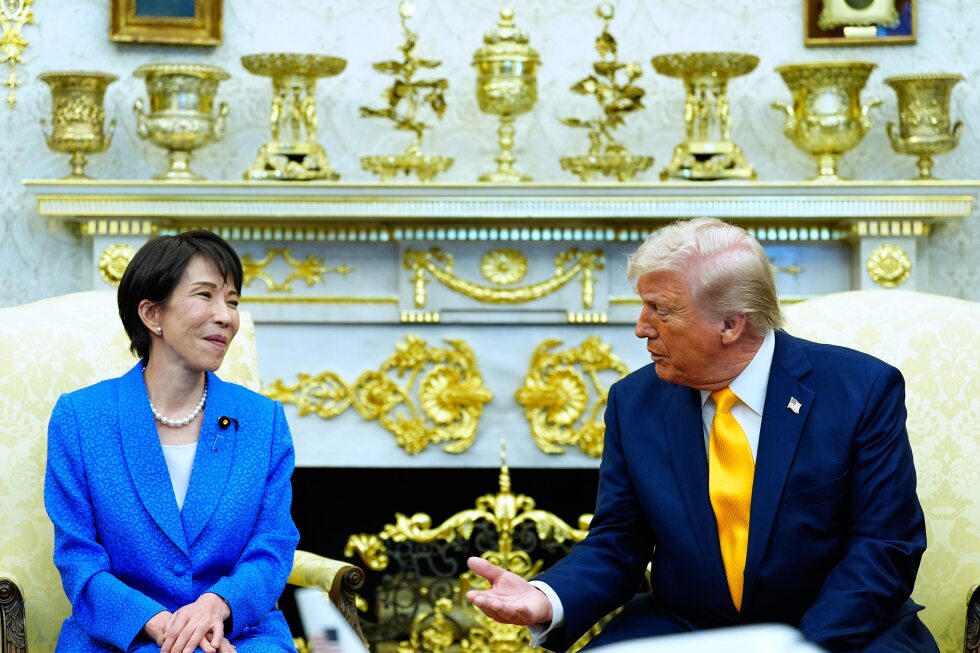
During Thursday’s press conference, when asked by a Japanese reporter why he hadn’t informed allies about the impending strike on Iran, Trump responded: “Who knows better about surprise than Japan? Why didn’t you tell me about Pearl Harbor, OK?” The remark was particularly jarring as Takaichi sat awkwardly beside him.
The liberal-leaning Asahi newspaper condemned Trump’s statement in an editorial, writing that “making such a remark to justify a sneak attack and boast about its outcome is a piece of nonsense that ignores lessons from history.”
The incident highlights the delicate balance in U.S.-Japan relations, where both nations generally avoid public discussions about Pearl Harbor. Japan relies heavily on the United States as its primary security ally in a region with growing threats, while the U.S. maintains approximately 50,000 troops across Japanese bases – a cornerstone of American military presence in the Indo-Pacific.
Many Japanese observers pointed to the 2016 visit by then-President Barack Obama and Prime Minister Shinzo Abe to both Pearl Harbor and Hiroshima as the proper model for handling historical sensitivities. That joint appearance was widely praised as a gesture of reconciliation between the former wartime enemies.
Social media reactions in Japan ranged from accusations that Trump was being deliberately disrespectful to suggestions that he doesn’t view Japan as an equal partner. Some called for official protests against the remarks.
Tsuneo Watanabe, a senior fellow at the Sasakawa Peace Foundation, suggested in an opinion piece published in the Nikkei newspaper that Trump’s comment showed he was “not bound by existing American common sense.” Watanabe added that the comment appeared designed to implicate the Japanese reporter or Takaichi in Trump’s own justification for not informing allies about military action during diplomatic negotiations.
Takaichi, a conservative who has recently hinted at visiting the controversial Yasukuni Shrine where Japanese war criminals are honored among 2.5 million war dead, maintained her composure during Trump’s remarks. She rolled her eyes slightly but otherwise did not visibly react, keeping focus on her primary mission of strengthening ties with Japan’s most crucial ally.
Her restraint drew mixed reactions domestically. Some praised her diplomatic handling of an awkward situation, while others criticized her for not speaking up. Hitoshi Tanaka, a former diplomat and special adviser at the Japan Research Institute think tank, expressed embarrassment at what he perceived as Takaichi flattering Trump, writing on social media: “As national leaders, they are equals… To make an equal relationship is not to flatter.”
The Japanese reporter who asked the question that prompted Trump’s Pearl Harbor reference later explained on a talk show that he was representing Japanese citizens concerned about Trump’s unilateral attack on Iran, especially since Japan and other nations are now being asked to assist in the aftermath.
“I was meaning to say, ‘Why didn’t you tell us, why are you troubling us?'” explained TV Asahi reporter Morio Chijiiwa. “Then President Trump hit back with the Pearl Harbor attack. I found it extremely awkward for him to change the subject.”
The incident comes at a sensitive time as Japan seeks to expand its military role beyond the strict self-defense limitations imposed by its post-World War II constitution. Takaichi’s government, like previous administrations, must navigate the complex balance of strengthening military capabilities while maintaining strong U.S. alliance ties and managing historical sensitivities both domestically and internationally.
Fact Checker
Verify the accuracy of this article using The Disinformation Commission analysis and real-time sources.

14 Comments
While I understand the desire to draw historical parallels, using Pearl Harbor to justify a unilateral strike is a concerning attempt to rewrite history. Japan has worked hard to reconcile its wartime legacy, and this callous reference undermines that progress.
It’s deeply troubling to see the president make such a flippant remark about one of the darkest chapters in U.S.-Japan relations. This is a serious diplomatic misstep that risks further straining ties between the two allies.
Trump’s casual reference to Pearl Harbor while justifying the Iran strike is a disturbing and insensitive move that ignores the profound human suffering and historical lessons of that tragedy. Japan has worked hard to reconcile its wartime past, and this callous remark undermines that progress.
This is a serious diplomatic misstep that risks straining the crucial U.S.-Japan alliance. The president should demonstrate a more thoughtful and nuanced understanding of history and its lasting impact on global relations.
While I understand the desire to draw historical parallels, using Pearl Harbor to justify unilateral military action is a dangerous and misguided attempt to rewrite history. Japan has worked hard to reconcile its wartime legacy, and this callous reference undermines that progress.
Trump’s comments highlight a troubling lack of nuance and respect for the complex history between the U.S. and Japan. This is a serious diplomatic misstep that risks further straining the relationship between these important allies.
While historical analogies can be useful, using Pearl Harbor to defend unilateral military action is a deeply problematic and tone-deaf move. Japan has grappled with the legacy of that attack for decades, and this flippant remark shows a fundamental lack of empathy and respect for their experience.
Trump’s comments are a concerning departure from the diplomatic norms we expect from U.S. leadership. This is a serious misstep that risks further straining the crucial relationship between the two allies and undermining efforts to learn from the past.
Referencing Pearl Harbor to defend the Iran strike seems highly inappropriate and insensitive. Japan has grappled with its wartime past for decades, and this flippant remark ignores the profound human suffering and historical lessons from that tragedy.
Trump’s comments are a worrying departure from diplomatic norms. Japan deserves more thoughtful and nuanced engagement from its American ally on such a sensitive historical topic.
Invoking Pearl Harbor to defend the Iran strike is a concerning and inappropriate use of a tragic historical event. Japan has grappled with the legacy of that attack for decades, and this flippant remark shows a fundamental lack of understanding and empathy.
This is a disappointing example of the president’s tendency to prioritize political expediency over thoughtful, nuanced engagement on sensitive geopolitical issues. It’s a worrying departure from the diplomatic norms we expect from U.S. leadership.
This is a disappointing and inappropriate use of a tragic historical event. Japan has long grappled with the aftermath of Pearl Harbor, and Trump’s comments show a fundamental lack of understanding and empathy for their experience.
Trump’s remarks reflect a concerning pattern of insensitivity and disregard for diplomatic norms. This is not the kind of leadership we need on the global stage, especially when dealing with sensitive geopolitical issues.