


Listen to the article
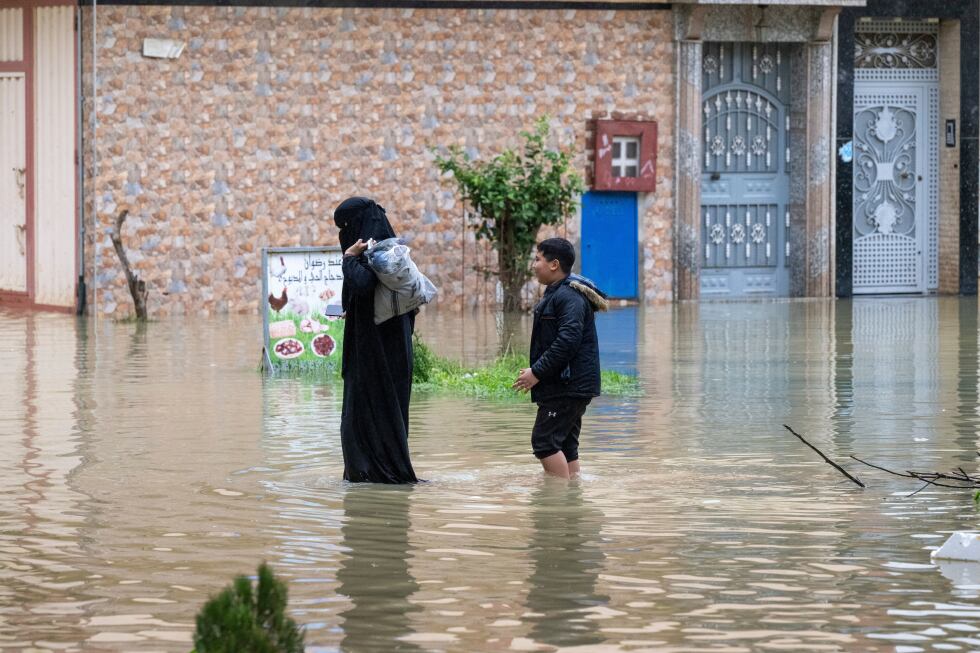
Flash floods in northern Morocco have claimed at least four lives as the country grapples with the aftermath of consecutive storms that have brought both destruction and relief to a nation previously gripped by drought.
Local authorities confirmed Sunday that three children—aged between 2 and 14—and a man in his 30s died when their vehicle was swept away by floodwaters near Tétouan, approximately 270 kilometers north of Rabat. One person remains missing following the incident, which officials have pledged to investigate.
The deadly flash floods were triggered by Storm Marta, which swept across northern Morocco over the weekend, delivering rainfall totals of up to 92 millimeters in some northern cities, according to Houssine Youabed of Morocco’s General Directorate of Meteorology. The storm system also affected neighboring Spain and Portugal as it moved across the region.
This latest weather emergency comes on the heels of Storm Leonardo, which had already saturated the region days earlier. Leonardo caused significant damage across northern Africa and the Iberian Peninsula, with Morocco particularly hard hit as dams and rivers overflowed their banks. The resulting flooding damaged homes and agricultural land, triggered landslides, and forced more than 150,000 residents to evacuate affected areas.
Morocco’s northern region, with its mountainous terrain and network of rivers, is particularly vulnerable to flash flooding during intense rainfall events. The back-to-back storms have overwhelmed local infrastructure, with emergency services stretched thin as they respond to multiple crisis sites simultaneously.
In Tétouan and surrounding communities, rescue operations continue as authorities search for the missing person and assess damage to infrastructure. Roads have been washed out in several locations, complicating relief efforts and isolating some villages temporarily from assistance.
Despite the immediate tragedy and disruption, the storms have delivered a mixed blessing for Morocco. Officials note that the heavy rainfall has replenished water reserves throughout the country, securing at least a year’s worth of drinking water. This comes as welcome relief following years of severe drought that had depleted reservoirs and groundwater supplies to critically low levels.
The agricultural sector, which accounts for approximately 14% of Morocco’s GDP and employs about 30% of the workforce, stands to benefit significantly from the improved water situation. Farmers across the country had been struggling with diminished yields and livestock losses due to the persistent drought conditions that have affected the region for several years.
Climate experts point out that this pattern of extreme weather—swinging from prolonged drought to intense flooding—aligns with predictions for the Mediterranean basin under climate change scenarios. The region is considered a climate change “hotspot,” where warming temperatures are expected to intensify both drought periods and precipitation events.
Moroccan authorities are now faced with the dual challenge of managing the immediate crisis while preparing for potential future disasters. The government has mobilized emergency services, military personnel, and civil defense forces to assist affected communities. Temporary shelters have been established for displaced residents, though the scale of need continues to grow.
International aid organizations are monitoring the situation, with some already offering assistance with rescue operations and humanitarian relief. The Moroccan Red Crescent has deployed teams to distribute essential supplies to evacuation centers and isolated communities.
As weather conditions gradually improve, attention will turn to recovery and rebuilding efforts, particularly in rural communities where livelihoods have been severely impacted by the flooding. Officials also face pressing questions about infrastructure resilience and the adequacy of early warning systems in a region increasingly confronted with climate extremes.
Fact Checker
Verify the accuracy of this article using The Disinformation Commission analysis and real-time sources.

9 Comments
Tragic news. My sincere condolences to the families impacted by this disaster. It’s critical that Morocco and other nations in the region invest in more resilient infrastructure and early warning systems to protect vulnerable communities.
Devastating news. While the rains may provide some drought relief, the destructive flooding is clearly causing immense hardship. My sincere condolences to the victims and their families. Morocco will need significant international support to build climate resilience.
Consecutive storms like this are becoming alarmingly common. While the rains may provide some drought relief, the destructive flooding is clearly causing major disruptions and loss of life. Urgent action is needed to address the underlying climate change drivers.
Absolutely. Climate adaptation and mitigation strategies need to be a top priority for countries vulnerable to these types of extreme weather events.
This is a terrible tragedy, especially for the young children who lost their lives. My heart goes out to the people of Morocco as they grapple with the aftermath of these devastating floods. Strengthening climate change preparedness must be a top priority.
You’re right, the loss of young lives is especially heartbreaking. Improving disaster risk reduction and emergency response capabilities has to be a key focus for policymakers going forward.
My condolences to the families who lost loved ones in these tragic floods. Climate change is clearly exacerbating extreme weather events, and countries like Morocco will need to invest heavily in disaster preparedness and resilience measures.
You’re right, the frequency and intensity of storms is only going to increase in the coming years. Governments need to take proactive steps to strengthen infrastructure and emergency response capabilities.
This is a sobering reminder of the human toll that extreme weather can take. My heart goes out to the victims and their loved ones. I hope the investigation into this incident can shed light on how to improve early warning systems and evacuation protocols.