


Listen to the article
Spain’s King Acknowledges Colonial “Abuse” in Americas, Easing Tensions with Mexico
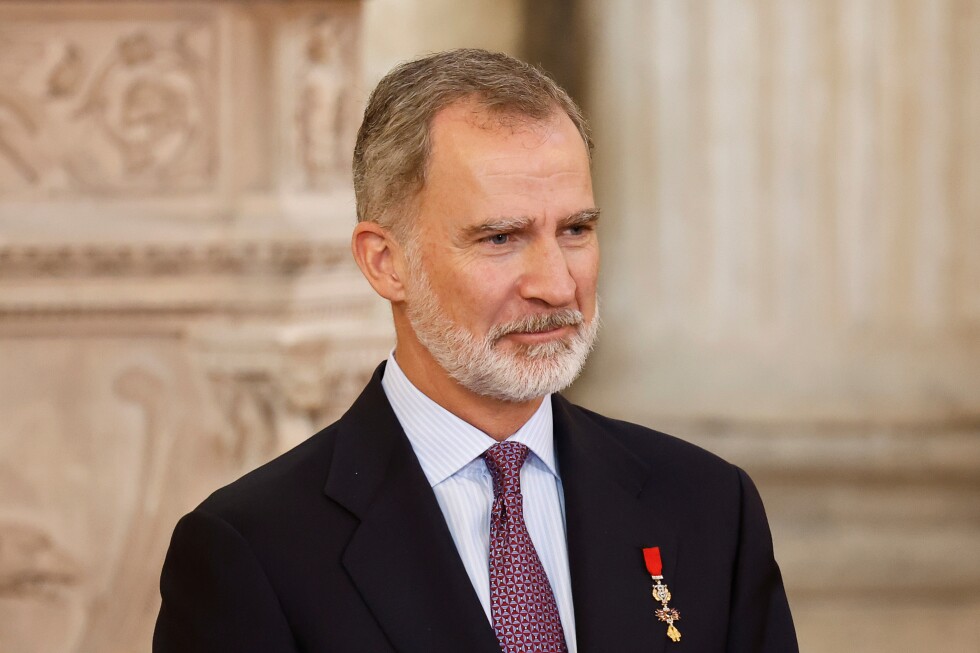
Spain’s King Felipe VI acknowledged Monday that the Spanish conquest of the Americas included “much abuse” and “ethical controversies,” potentially easing a diplomatic rift between Spain and Mexico that has simmered for years over colonial-era atrocities.
The monarch’s remarks came during a visit to a Madrid museum exhibition about women in pre-Columbian Mexico, where he spoke with Mexico’s ambassador to Spain, Quirino Ordaz.
“There are things that, when we study them, we come to know them, and well, with our current values, they obviously cannot make us feel proud,” the king said regarding Spain’s centuries-old conquest. He added that historical events must be understood “in their proper context, not with excessive moral presentism, but with an objective and rigorous analysis.”
The carefully worded statement represents a significant shift in tone from the Spanish crown amid an ongoing diplomatic dispute. Since 2019, relations between the two countries have been strained over Mexico’s demands that Spain formally apologize for its conquest of Mexico between 1519 and 1521, which resulted in widespread death among the country’s pre-Hispanic population.
Colonial Spain controlled one of history’s largest empires, with territories spanning five continents between the 16th and 18th centuries. Much of Central and South America fell under Spanish rule, with Mexico City serving as the seat of Spain’s colonial power in the Americas after Spanish forces and their Indigenous allies defeated the Aztec Empire in 1521. The colonial capital was built directly over the ruins of Tenochtitlan, the former Aztec capital.
The diplomatic tensions escalated in 2019 when then-Mexican President Andrés Manuel López Obrador sent a letter to King Felipe and Pope Francis demanding that Spain “publicly and officially” recognize abuses committed during the conquest. Spain’s refusal to issue such an apology soured bilateral relations.
The dispute continued into 2024 when current Mexican President Claudia Sheinbaum did not invite King Felipe to her inauguration, citing Spain’s refusal to apologize for colonial abuses. Spanish Prime Minister Pedro Sánchez called the snub “unacceptable,” and Spain declined to send any representative to Sheinbaum’s inauguration ceremony.
However, signs of reconciliation emerged last fall when Spain’s Foreign Minister José Manuel Albares acknowledged the “pain and injustice” suffered by Mexico’s Indigenous population at the hands of Spanish conquerors. These comments came at the inauguration of the same museum exhibit the king visited on Monday.
“There has been pain, pain and injustice toward the indigenous peoples to whom this exhibition is dedicated,” Albares said at the time, marking what Sheinbaum recognized as “the first time that a Spanish government authority has spoken of regretting the injustice.”
While King Felipe’s latest comments stop short of the formal apology sought by Mexico, they represent the most conciliatory stance yet taken by the Spanish monarchy on the issue. The royal family plays a largely ceremonial role in modern Spain but remains symbolically important, particularly in matters concerning Spain’s historical legacy.
President Sheinbaum said Monday that she would review the king’s remarks before making any official response. Analysts suggest this measured acknowledgment could potentially open the door to warmer relations between the two countries, which share deep cultural and economic ties despite the historical grievances.
The dispute highlights the broader global reckoning many former colonial powers face regarding their imperial pasts. Similar debates have emerged across Europe, with countries like Belgium, France, and the United Kingdom facing increasing pressure to acknowledge historical abuses in their former colonies and potentially offer reparations.
For Spain and Mexico, finding common ground on this sensitive historical issue could prove crucial for strengthening diplomatic and economic relations at a time when both nations face significant regional and global challenges.
Fact Checker
Verify the accuracy of this article using The Disinformation Commission analysis and real-time sources.

9 Comments
The king’s statement represents a significant shift in tone from the Spanish crown. Confronting colonial-era abuses, while maintaining historical context, is a delicate but necessary process. This could open the door for productive dialogue between Spain and Mexico.
Tensions over colonial-era atrocities are understandably fraught. The king’s willingness to confront this difficult history, while avoiding ‘excessive moral presentism’, suggests a desire for reconciliation. This is a promising development.
Examining historical events through a modern ethical lens is important, but requires nuance and understanding. The king’s remarks strike a thoughtful balance, suggesting a willingness to address the past while avoiding simplistic judgments. This is a promising development.
It’s good to see the Spanish monarchy taking responsibility for the abuses of the past. Recognizing the complexities of history, while also holding leaders accountable, is a nuanced but necessary approach.
Agreed. Addressing historical injustices is a delicate balance, but an essential step towards healing and progress between nations.
This is an important acknowledgement from the Spanish king. Examining colonial history through a modern lens is crucial, even if it reveals uncomfortable truths. Constructive dialogue between nations can help promote understanding and reconciliation.
The king’s remarks strike a thoughtful tone. Applying modern ethical standards to past events requires careful analysis, but also acknowledging the harm done. This could pave the way for productive dialogue between Spain and Mexico.
It’s encouraging to see the Spanish monarchy take responsibility for the abuses of the past. Recognizing historical wrongdoings, while maintaining historical context, is a nuanced but important step towards healing old wounds.
Absolutely. Acknowledging the past, while also understanding the complexities, is crucial for building a more just future between nations.