


Listen to the article
South Korea announced plans to end its decades-long practice of foreign adoptions, aiming to phase out the program completely by 2029. The announcement came as United Nations investigators expressed “serious concern” over the country’s handling of human rights violations tied to its overseas adoption system.
The Health Ministry revealed the five-year phase-out plan on Friday, just hours after the UN human rights office published South Korea’s response to investigators who had demanded concrete actions to address the grievances of adoptees. Many were sent abroad with falsified records or suffered abuse by foreign parents.
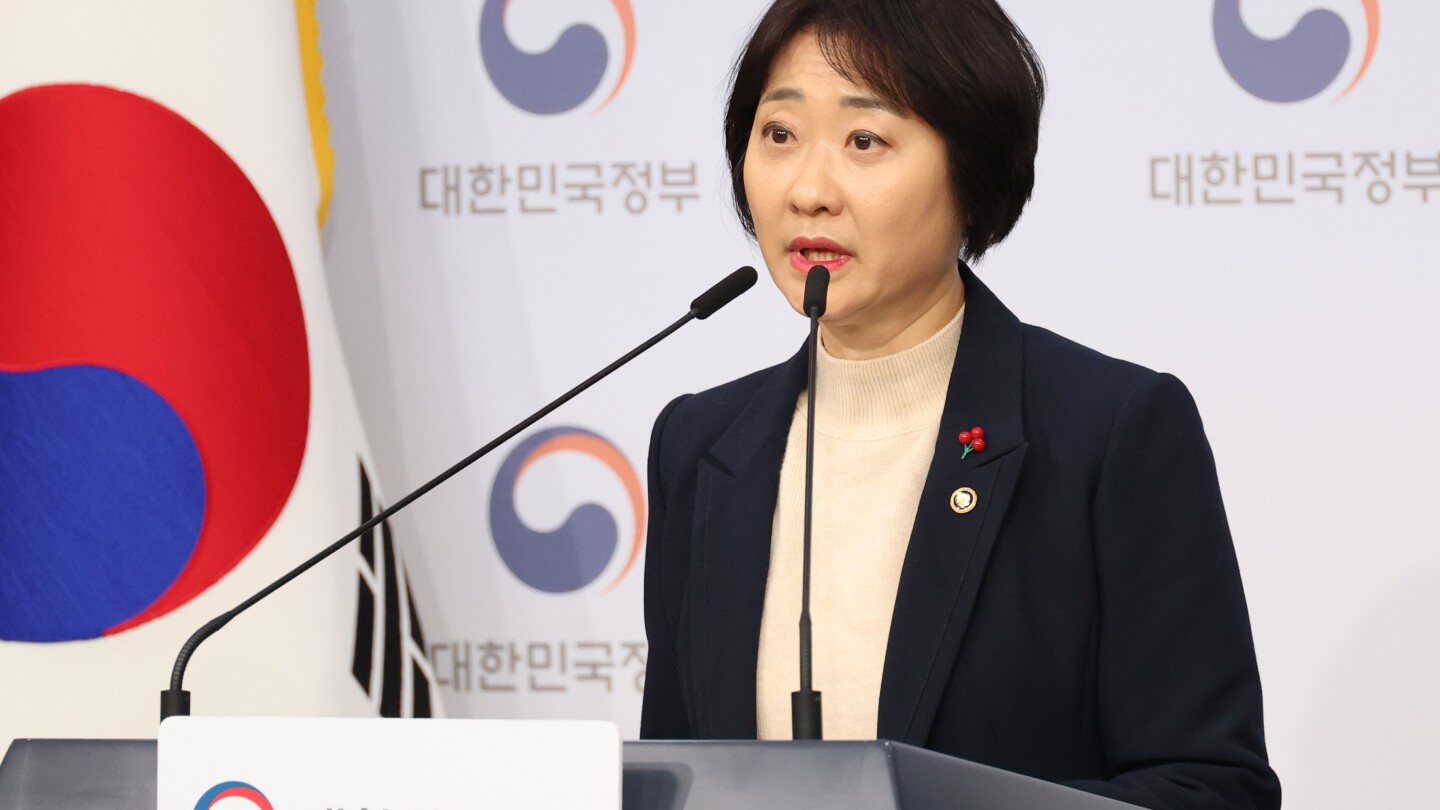
“Adoptions were mainly handled by private adoption agencies before, and while they presumably prioritized the best interests of the child, there may have also been other competing interests,” said Vice Minister of Health and Welfare Lee Seuran during a briefing. She emphasized the government’s move toward a public adoption framework where officials will play a larger role in evaluating whether international adoption is truly necessary.
Foreign adoptions from South Korea have already declined dramatically in recent decades. The country approved just 24 foreign adoptions in 2023, compared to approximately 2,000 in 2005 and an annual average exceeding 6,000 during the 1980s when the practice peaked.
The UN’s involvement follows months of communication with Yooree Kim, a 52-year-old adoptee who was sent to a French family in 1984 without her biological parents’ consent. Documents falsely described her as an abandoned orphan. Kim reported enduring severe physical and sexual abuse by her adopters and has petitioned the UN as part of a broader effort to seek accountability from both South Korean and French authorities.
UN investigators criticized South Korea for failing to provide adoptees with effective access to remedies for serious abuses and for “possible denial of their rights to truth, reparations, and memorialization.” They also expressed concern over the suspension of a government fact-finding investigation into past adoption abuses and fraud.
In its response, South Korea highlighted past reforms focused on abuse prevention, including a 2011 law that reinstated judicial oversight of foreign adoptions—ending decades of control by private agencies. However, the government indicated that further investigations and stronger reparations would depend on future legislation, offering no new measures to address the vast backlog of inaccurate or falsified records that have prevented many adoptees from reconnecting with birth families.
Choi Jung Kyu, a human rights lawyer representing Kim, described South Korea’s response as “perfunctory.” He noted that promises of stronger reparations aren’t clearly spelled out in draft bills proposing to relaunch the Truth and Reconciliation Commission to investigate past human rights abuses.
In August, Kim filed a rare petition for compensation against the South Korean government, arguing that authorities falsely documented her as an orphan despite having a family. Following a nearly three-year investigation into complaints from 367 adoptees in Europe, the U.S. and Australia, the truth commission in March recognized Kim and 55 other adoptees as victims of human rights violations, including falsified child origins and child protection failures.
The commission halted its adoption investigation weeks later, following internal disputes among commissioners over which cases warranted recognition as problematic. The fate of the remaining 311 cases depends on whether lawmakers establish a new truth commission through legislation.
South Korea’s adoption program, which sent approximately 200,000 Korean children overseas, was driven by efforts to reduce welfare costs and enabled by private agencies that often manipulated children’s backgrounds. The country’s past military governments passed special laws promoting foreign adoptions, removing judicial oversight and giving vast powers to private agencies, which bypassed proper child relinquishment procedures while shipping thousands of children overseas each year.
Western nations largely ignored these abuses and sometimes pressured South Korea to maintain the supply to meet their high demand for adoptable children. President Lee Jae Myung issued an apology in October over past adoption problems, as recommended by the truth commission, signaling some acknowledgment of the historical wrongs.
Fact Checker
Verify the accuracy of this article using The Disinformation Commission analysis and real-time sources.

16 Comments
This is a complex issue with a lot of nuance. On one hand, it’s commendable that South Korea is moving to end a system that enabled past abuses. But the practical implications for prospective adoptive parents abroad could be significant. I hope they strike the right balance as the program winds down.
This is a significant shift in South Korea’s adoption policies. Addressing past human rights abuses and prioritizing domestic placements seems like a step in the right direction, though the transition period will be delicate. I wonder how this will impact the supply and demand dynamics for international adoptions moving forward.
You raise a good point. The phase-out plan over the next 7 years will be crucial to ensure adoptees’ rights and wellbeing are protected during the transition.
It’s good to see South Korea taking responsibility for the troubling history of its overseas adoption program. Restoring public oversight and shifting to domestic placements where possible is a sensible approach, even if it means fewer international adoptions. The details of the new framework will be important to watch.
Agreed. Prioritizing the best interests of the child over other competing interests is the right priority here. Careful implementation will be key.
Ending South Korea’s overseas adoption program is a major shift. While it may help address past human rights concerns, the impact on global adoption dynamics is unclear. I’m curious to see how this evolves and whether other countries follow a similar path of reducing international adoptions.
Good point. This could set a precedent that other nations with histories of adoption-related abuses may choose to emulate. The global implications are worth watching.
This is a complex issue with a lot of nuance. On one hand, it’s commendable that South Korea is taking responsibility for the troubled history of its overseas adoption program. But the practical impacts, both for adoptees and prospective parents, remain to be seen. Careful implementation will be crucial.
This announcement by South Korea is a significant shift in its approach to international adoptions. While addressing past abuses is commendable, the details of the phase-out plan and its effects on global adoption dynamics will be important to monitor closely.
Phasing out international adoptions from South Korea is a significant policy shift. While it may help address past abuses, the implications for the global adoption landscape are unclear. I’m curious to see how this evolves and whether other countries follow a similar path of reducing cross-border placements.
South Korea’s decision to end its foreign adoption program is a complex issue. On one hand, it reflects an effort to address past human rights concerns. But the practical implications, both for adoptees and prospective parents, remain to be seen. Careful implementation during the transition will be crucial.
Exactly. The devil will be in the details as South Korea navigates this major policy shift. Balancing the needs of all stakeholders will be a significant challenge.
This announcement by South Korea represents a major shift in its approach to international adoptions. While addressing past human rights concerns is commendable, the details of the phase-out plan and its effects on global adoption dynamics will be crucial to watch closely.
Ending South Korea’s overseas adoption program is a significant move that reflects an acknowledgment of past abuses. However, the practical impacts, both for adoptees and prospective parents, will be important to monitor as the phase-out plan is implemented over the next several years.
Ending its overseas adoption program is a major move by South Korea. It reflects an acknowledgment of past human rights concerns, but the practical impacts, both for adoptees and prospective parents, remain to be seen. Thoughtful implementation during the transition period will be key.
Agreed. Balancing the needs and rights of all stakeholders will be a delicate challenge as South Korea phases out this longstanding program.