


Listen to the article
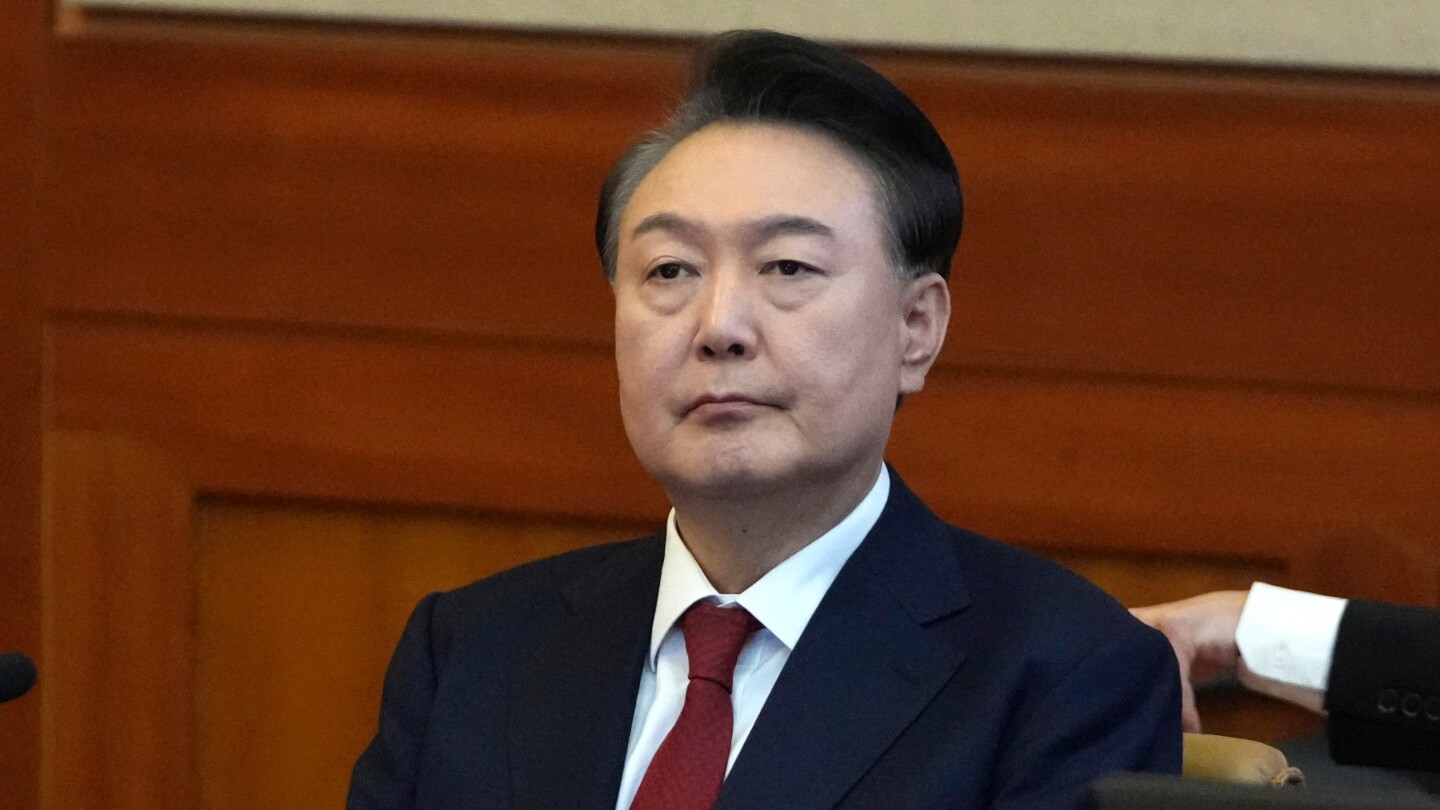
South Korea’s legislature passed a bill Tuesday creating specialized court panels to handle cases involving rebellion, treason, and foreign subversion, following complaints about the pace of former President Yoon Suk Yeol’s ongoing rebellion trial.
The legislation, which passed with a vote of 175-2 with two abstentions, requires the Seoul Central District Court and Seoul High Court to establish at least two specialized panels for these specific cases. Each panel will consist of a three-judge bench selected by the judges’ council at each court.
While the bill is expected to be signed into law by President Lee Jae Myung, lawmakers modified the original proposal to ensure it would not apply to ongoing trials, including Yoon’s case. The former conservative president’s trial is expected to reach a verdict in early 2026, though any subsequent high court appeals would be handled by the new specialized panels.
Many conservative lawmakers boycotted the vote after Jang Dong-hyuk, leader of the People Power Party (PPP), staged a 24-hour filibuster against the bill. Jang argued that despite revisions, the legislation remained unconstitutional and accused the Democratic Party of attempting to pressure courts into creating benches favorable to their interests. Following the vote, PPP leadership urged President Lee to veto the measure.
The legislative move comes amid heightened political tensions following Yoon’s dramatic removal from office earlier this year. The former president was impeached and removed in April after declaring martial law in December 2024, claiming it necessary to suppress what he described as “anti-state” liberal opposition to his agenda. The martial law declaration lasted only hours before being lifted.
Yoon was rearrested in July and now faces serious charges including rebellion, which carries potential penalties of life imprisonment or even death. The case represents one of the most significant political trials in recent South Korean history, underscoring deep divisions between the country’s conservative and liberal factions.
The Democratic Party has repeatedly criticized Judge Jee Kui-youn, who is currently presiding over Yoon’s rebellion case, alleging he has intentionally delayed proceedings by spacing out court hearings. They have also questioned the judicial practice of randomly assigning judges in high-profile cases of national importance such as rebellion trials.
Judge Jee first drew criticism from liberals in March when he approved Yoon’s release from detention following his initial arrest, allowing the former president to stand trial without being detained. Yoon remained free until his rearrest in July.
Liberal frustrations grew further when other judges rejected prosecutors’ requests for arrest warrants against key Yoon allies. These included former Prime Minister Han Duck-soo, accused of aiding Yoon’s martial law declaration, and senior conservative lawmaker Choo Kyung-ho, who allegedly obstructed lawmakers from participating in the vote to lift the emergency measure.
The new law represents the latest development in South Korea’s ongoing political and legal battles following Yoon’s controversial tenure. While supporters of the specialized panels argue they will ensure proper handling of sensitive national security cases, critics maintain that the legislation risks undermining judicial independence and could potentially be weaponized for political purposes.
The case continues to highlight tensions within South Korea’s democratic institutions as the nation grapples with the aftermath of Yoon’s unprecedented attempt to declare martial law during his presidency.
Fact Checker
Verify the accuracy of this article using The Disinformation Commission analysis and real-time sources.

6 Comments
While the intent may be to streamline the judicial process for sensitive cases, there will likely be ongoing debates about the balance between efficiency and due process. It’s important to ensure these specialized courts uphold the rule of law and protect the rights of defendants.
Overall, this seems like a significant development in South Korea’s legal system. It will be interesting to monitor how the new courts operate and whether they are able to address concerns about the pace of trials in a fair and transparent manner.
The vote breakdown of 175-2 with two abstentions suggests there was broad political support for this legislation, despite some opposition from conservative lawmakers. I wonder if the exclusion of ongoing trials like Yoon’s was a compromise to address concerns about its potential impacts.
You make a good point. Excluding ongoing cases from the new court system was likely an attempt to allay fears that it could be used to influence high-profile trials in the short term.
The filibuster by the PPP leader highlights the political tensions around this issue. I’m curious to see how the new court system is implemented and whether it’s viewed as a legitimate mechanism for handling these types of cases going forward.
Interesting to see South Korea establishing specialized courts for cases involving rebellion, treason, and foreign subversion. Curious to see how this new system will work in practice and whether it will help address concerns about the pace of high-profile trials like the one for former President Yoon.