


Listen to the article
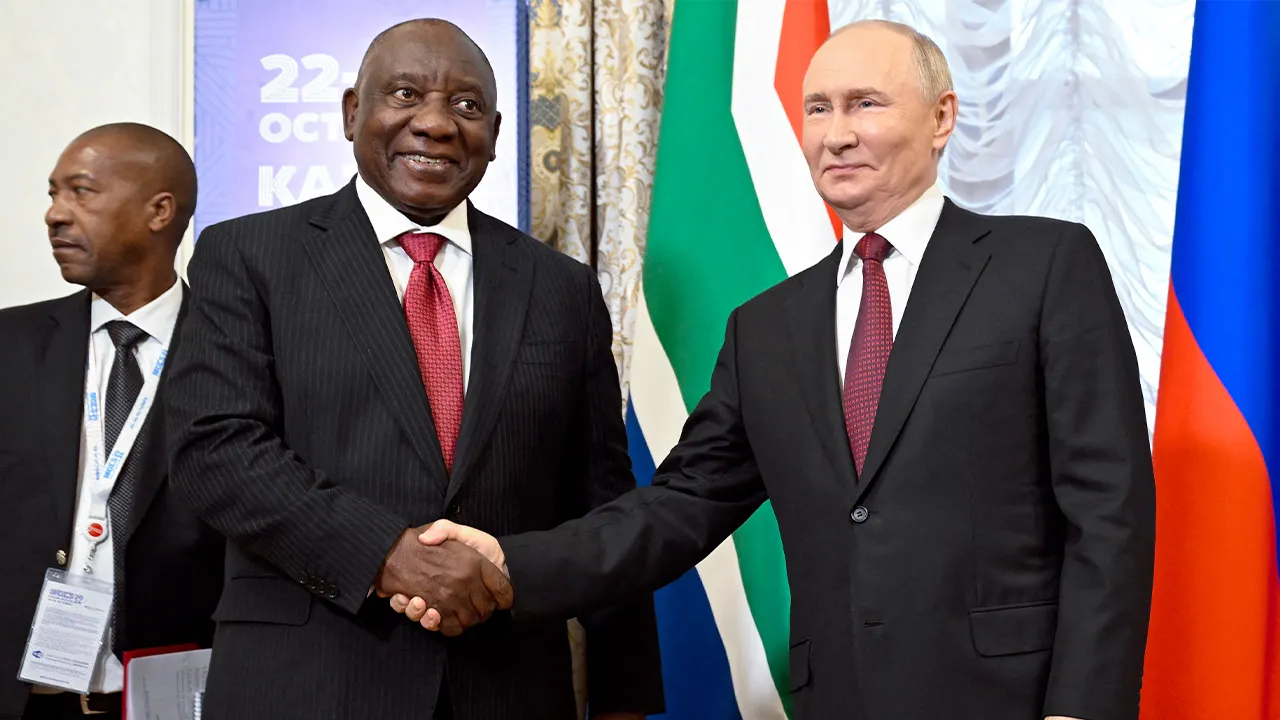
South African President Cyril Ramaphosa has secured the repatriation of 17 South African nationals who were allegedly “lured” to fight on Russian front lines in Ukraine, following a diplomatic intervention with Russian President Vladimir Putin.
In a statement released Tuesday, the South African government confirmed it had been working closely with Russian authorities after receiving distress calls from the men. The group, aged between 20 and 39, had reportedly been recruited for what officials described as “mercenary activities” in Russia’s ongoing war against Ukraine.
Four of the men have already returned to South Africa, while 11 more are expected to arrive shortly. Two individuals remain in Russia – one receiving medical treatment in a Moscow hospital and another completing final travel arrangements. South Africa’s embassy in Moscow continues to monitor the hospitalized individual until he is cleared to travel.
President Ramaphosa personally expressed gratitude to Putin for responding positively to his request for assistance during a February 10 phone call between the two leaders. The circumstances surrounding their recruitment remain under active investigation by South African authorities.
This incident highlights a growing concern about Russia’s recruitment of foreign nationals to bolster its forces in Ukraine. Ukraine’s Foreign Minister Andrii Sybiha reported in November that an estimated 1,436 foreign nationals from 36 African countries have been recruited to fight for Russia, with warnings that the actual figure could be significantly higher.
According to Sybiha, Russia employs various recruitment methods, including financial incentives, deception, and coercion to draw foreign nationals into military service. “Signing a contract is equivalent to signing a death sentence,” Sybiha wrote on social media platform X. “Foreign citizens in the Russian army have a sad fate. Most of them are immediately sent to the so-called ‘meat assaults,’ where they are quickly killed.”
The recruitment of South Africans into the Russian military adds complexity to South Africa’s diplomatic position regarding the Russia-Ukraine conflict. South Africa has maintained a formally neutral stance on the war, abstaining from United Nations resolutions condemning Russia’s invasion and hosting controversial joint naval exercises with Russia and China in 2023.
This is not the first instance of African nationals being recruited to fight in Ukraine. In January, Kenya’s government demanded answers from Russia after reports emerged that Kenyan citizens were being recruited to join Russian forces. Several other African nations have raised similar concerns about their citizens being drawn into the conflict under false pretenses.
Military analysts suggest that Russia’s targeting of recruits from developing nations reflects its need to address manpower shortages without further domestic mobilization, which could provoke public backlash within Russia. Foreign recruits are often promised substantial payments and Russian citizenship, though reports indicate many receive inadequate training before deployment to dangerous frontline positions.
Human rights organizations have expressed concern about the potential exploitation of vulnerable individuals from developing economies, where high unemployment rates and economic hardship may make military service abroad seem financially attractive despite the extreme risks.
For South Africa, the incident presents both a diplomatic challenge and a reminder of the global reach of the Russia-Ukraine conflict. While celebrating the return of its citizens, South African authorities now face questions about how to prevent similar recruitment efforts in the future and how to balance relations with Russia against growing international pressure to take a firmer stance on the Ukraine invasion.
The South African government has pledged to continue investigating the recruitment networks that led these men to Russian front lines and to work with international partners to prevent similar situations from occurring in the future.
Fact Checker
Verify the accuracy of this article using The Disinformation Commission analysis and real-time sources.

12 Comments
This situation underscores the importance of being vigilant about recruitment tactics, especially in regions of conflict. I’m glad the South African government was able to secure the release of these citizens.
Yes, it’s a cautionary tale. Robust vetting and protective measures are crucial to safeguard vulnerable individuals from being exploited, whether in military or other contexts.
It’s good to see the South African government taking swift action to repatriate its citizens who were allegedly misled and exploited. Diplomatic efforts like this can help resolve complex issues.
Agreed. The safety and wellbeing of citizens should always be the top priority, especially when they are in vulnerable situations abroad. Kudos to the government for their efforts.
I’m curious to learn more about the circumstances that led these individuals to be recruited for military service in Russia. Were they truly misled, or were there other factors at play? Glad they are now on their way home.
Yes, the investigation into how they were recruited will be important. Hopefully, it can provide insights to help prevent similar situations in the future and protect vulnerable citizens.
Kudos to the South African government for working with Russia to repatriate these citizens. It’s a complex situation, and I’m glad they were able to secure their release and safe return.
Agreed. The circumstances around their recruitment need to be thoroughly investigated to understand how this happened and ensure appropriate measures are put in place to protect vulnerable citizens in the future.
The repatriation of these South African citizens is a positive outcome, but the circumstances around their recruitment remain concerning. Thorough investigation and lessons learned will be important to prevent similar situations in the future.
Absolutely. Understanding how this happened and implementing appropriate safeguards can help protect other citizens who may be targeted for exploitation, especially in volatile regions.
This is a concerning situation that highlights the risks of being misled and exploited, especially in conflict zones. I’m glad the South African government was able to secure their safe return home.
It’s good to see the swift diplomatic action taken to get these citizens back. Hopefully, an investigation can shed light on how they were recruited and prevent this from happening again.