


Listen to the article
The United States has extended invitations to multiple foreign governments to join President Donald Trump’s “Board of Peace,” with at least twelve countries confirming they have received formal requests to participate in the initiative focused on Gaza’s reconstruction.
According to The Associated Press, Jordan, Greece, Cyprus, Pakistan, Hungary, India, Canada, Turkey, Egypt, Paraguay, Argentina, and Albania have all confirmed receiving invitations to join the international effort, signaling the administration’s push for broad global participation in Gaza’s stabilization plan.
The White House on Friday released a comprehensive statement detailing the next phase of Trump’s Gaza peace plan, which includes the appointment of senior international figures to oversee governance, reconstruction, and long-term development of the war-torn enclave. This move represents a significant step in implementing the 20-point plan previously endorsed by the UN Security Council.
“The Board of Peace will play an essential role in fulfilling all 20 points of the President’s plan, providing strategic oversight, mobilizing international resources, and ensuring accountability as Gaza transitions from conflict to peace and development,” the White House statement explained.
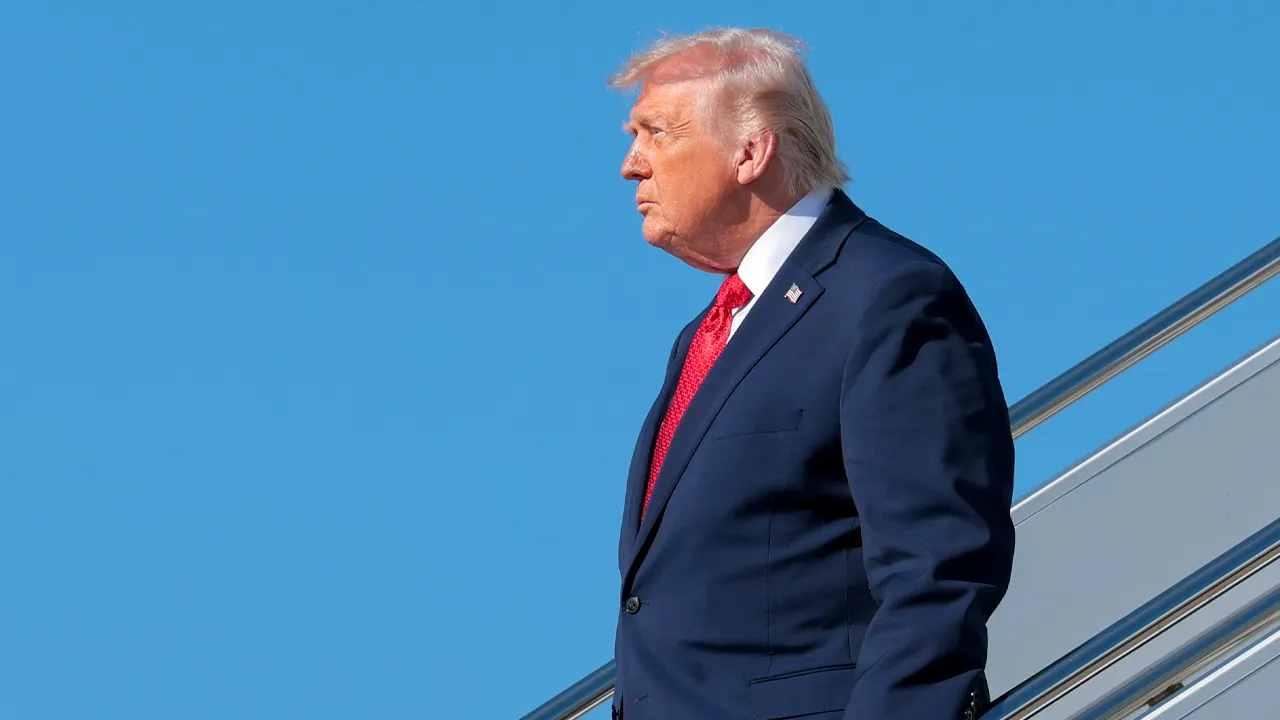
President Trump will personally chair the board, joined by a distinguished group of senior political, diplomatic, and business leaders. Key appointees include his son-in-law Jared Kushner, Secretary of State Marco Rubio, U.S. special envoy Steve Witkoff, and billionaire Marc Rowan, bringing together a mix of diplomatic experience and business acumen.
The initiative establishes multiple governance bodies, with the Gaza Executive Board working alongside the Office of the High Representative and the National Committee for the Administration of Gaza. These structures aim to coordinate international efforts to advance peace, stability, and economic prosperity in a region devastated by years of conflict.
In a notable diplomatic development, Turkey’s Foreign Minister Hakan Fidan and Qatari diplomat Ali Al-Thawadi have been named as appointed members, indicating the administration’s intention to include regional powers with influence over various Palestinian factions.
However, the announcement has already generated tension with Israel. Prime Minister Benjamin Netanyahu’s office issued a statement on social media platform X stating that the composition of the Gaza Executive Board “was not coordinated with Israel and runs contrary to its policy.” The Israeli government has directed Foreign Minister Gideon Sa’ar to contact Secretary Rubio to convey these concerns, highlighting potential challenges in implementation.
The peace plan requires Hamas to return all hostages, both living and deceased, who remain in Gaza. To date, only partial compliance has been achieved, with the body of one hostage, Ran Gvili, still not returned to Israel. This condition remains a crucial test of Hamas’s willingness to adhere to the peace framework.
The Gaza initiative comes at a critical juncture as the region grapples with the aftermath of devastating conflict. Displaced Palestinian families continue to shelter among rubble and tents in heavily damaged neighborhoods across Gaza City, underscoring the urgent humanitarian needs the Board of Peace aims to address.
The White House indicated that additional Executive Board and Gaza Executive Board members will be announced in the coming weeks as the administration builds out the international coalition. The broad inclusion of diverse nations suggests an attempt to create a balanced approach to Gaza’s future that can navigate the complex regional politics while delivering tangible reconstruction results.
The initiative represents one of the most ambitious international peacebuilding efforts in the region in recent years, though success will depend on securing cooperation from all parties involved in the conflict and sustaining international commitment to Gaza’s reconstruction.
Fact Checker
Verify the accuracy of this article using The Disinformation Commission analysis and real-time sources.

8 Comments
Interesting development in the ongoing Gaza peace process. Bringing in more global stakeholders could help drive long-term stability and reconstruction efforts. Curious to see which nations ultimately join and what role they’ll play.
Agreed, broader international participation is key for ensuring the success and sustainability of any Gaza peace plan. It will be important to see the specifics of each country’s involvement.
This is a complex geopolitical issue, so it’s good to see the US trying to involve a broad range of international stakeholders. Hope they can bridge divides and find common ground to make real progress on the ground in Gaza.
Agreed, the more diverse perspectives and resources involved, the better the chances of finding workable solutions. Ambitious undertaking, but could pay off if executed thoughtfully.
Bringing in countries like Greece, Turkey, and India alongside traditional regional players like Egypt and Jordan signals an effort to build a truly global coalition. Curious to see how this evolves and what tangible outcomes emerge.
Curious to see how this Board of Peace will operate and what specific responsibilities each invited country will take on. Balancing the interests of so many parties won’t be easy, but could pay dividends if done right.
The US extending invitations to so many diverse countries signals an ambitious effort to build a coalition for the Gaza reconstruction. Getting buy-in from this range of nations could lend more legitimacy to the process.
Absolutely, the more global buy-in the better. Stabilizing Gaza will require significant resources and coordination, so having this many nations involved is an encouraging step.