


Listen to the article
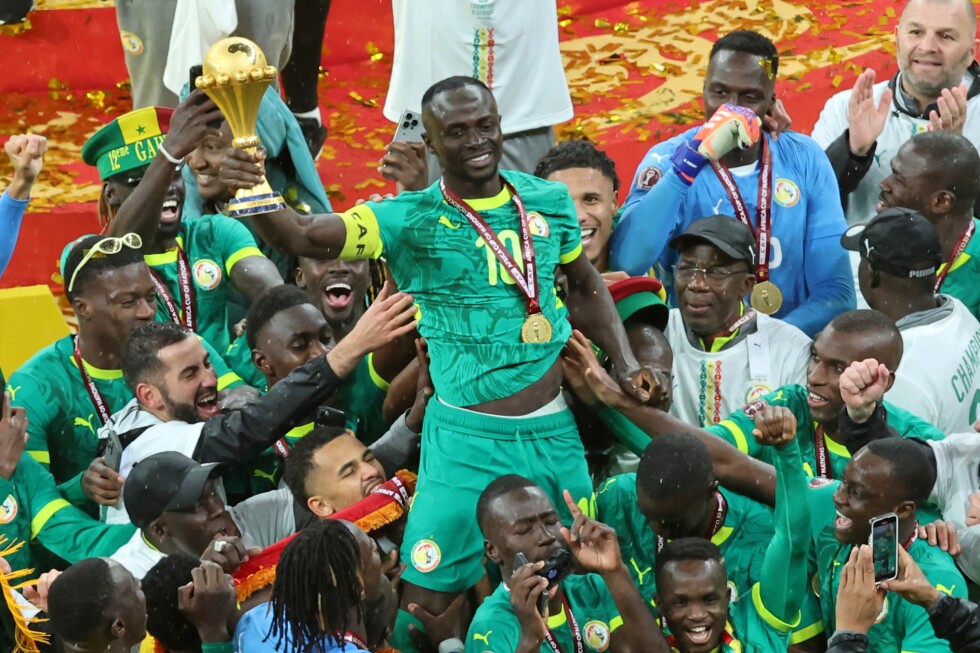
Senegal has vowed to pursue legal action against what it calls an “unfair, unprecedented, and unacceptable decision” by the Confederation of African Football (CAF) to overturn its Africa Cup of Nations title victory against Morocco.
In a stunning reversal, CAF’s appeals board ruled Tuesday that Senegal forfeited the January final by temporarily walking off the field during a chaotic conclusion to the match. The decision transformed Senegal’s 1-0 extra-time victory into a 3-0 default win for host nation Morocco.
The Senegalese government responded forcefully, pledging to “pursue all appropriate legal avenues” to overturn the ruling and calling for an international investigation “into suspected corruption” within African soccer’s governing body.
“This unprecedented and exceptionally serious decision directly contradicts the fundamental principles of sporting ethics,” the government said in a statement Wednesday. “It stems from a manifestly erroneous interpretation of the regulations, leading to a grossly illegal and deeply unjust decision.”
The Senegalese Football Federation (FSF) announced plans to appeal “as soon as possible” to the Court of Arbitration for Sport in Switzerland, a process that typically takes about a year to produce a verdict. The federation characterized the decision as one that “discredits African football.”
The controversy stems from the January 18 final in Rabat, which descended into chaos during stoppage time. After Senegal had a late goal disallowed and Morocco was awarded a potentially decisive penalty, scuffles broke out between rival players while Senegal fans attempted to storm the field. Senegal coach Pape Thiaw led most of his players off the pitch, but they returned approximately 10 minutes later.
Upon resumption, Morocco star Brahim Díaz had his penalty saved by Édouard Mendy, and Senegal’s Pape Gueye eventually scored the winning goal in extra time.
CAF’s decision cited Articles 82 and 84 of its Africa Cup regulations, which state that if a team “refuses to play or leaves the ground before the regular end of the match without the authorization of the referee,” it loses the game and faces elimination from the competition, with the opposing team awarded a 3-0 victory.
However, Senegal may have grounds for appeal based on Law 5 of the International Football Association Board rules, which grants “full authority” to referees in determining match outcomes. The law specifies that “the decisions of the referee regarding facts connected with play, including whether or not a goal is scored and the result of the match, are final.”
The Royal Moroccan Football Federation responded cautiously, stating its appeal “was never aimed at contesting the sporting merit or performance of the teams involved in this tournament, but solely to ensure the proper enforcement of competition regulations.”
The Senegalese government’s allegations of “suspected corruption” within CAF reflect growing tension and perceived favoritism toward Morocco, which has invested heavily in developing its soccer infrastructure and will co-host the 2030 World Cup. Even before the final, Senegal complained about treatment upon arrival in Rabat, while Morocco coach Walid Regragui had previously rejected suggestions his team benefited from favorable officiating.
The controversy extends beyond the playing field. Last month, 19 Senegal fans arrested at the final received prison sentences of up to a year from a Moroccan court, prompting the Senegalese government to express solidarity with its supporters.
CAF had previously imposed fines exceeding $1 million against both federations in January and suspended Thiaw for five Africa Cup games for bringing the game into disrepute, but had not interfered with the match result until now. The governing body has not responded to questions from The Associated Press.
In Rabat and other Moroccan cities, fans celebrated their team’s belated title, waving flags while motorists honked horns. However, the response appeared more subdued compared to previous sporting triumphs.
“The joy isn’t the same as winning the match and lifting the trophy on the field,” Casablanca taxi driver Mohcin Rayan told the AP. “This feels more like an injustice that has been corrected.”
Meanwhile, in Senegal’s capital Dakar, the ruling was met with disbelief. “To take back a trophy two months after the final was played is just ridiculous,” university student Souleymane Ba said. “The referee did not forfeit the match after the players left, and validated the result, so that should be the end of the story.”
Both Senegal and Morocco have qualified for the World Cup, and none of the sanctions will impact their participation in that tournament, though each nation will now claim to be the rightful African champion.
Fact Checker
Verify the accuracy of this article using The Disinformation Commission analysis and real-time sources.

12 Comments
Stripping Senegal of its rightful title is an egregious decision that warrants a thorough investigation. The Senegalese government is right to pursue legal action.
Agreed, this seems like a blatant miscarriage of justice. I hope the appeal process leads to a fair and impartial outcome.
This is a highly concerning development that raises serious questions about the governance and integrity of African soccer. Senegal deserves a fair hearing.
Absolutely. The decision appears to be deeply flawed and Senegal’s pursuit of legal action is entirely justified.
It’s concerning to see governing bodies in African soccer making such questionable calls. Senegal deserves a fair process to defend its rightful title win.
Absolutely, this undermines the integrity of the game. Senegal should exhaust all legal avenues to get this decision overturned.
This is a troubling development that raises serious doubts about the transparency and impartiality of African soccer’s leadership. I hope Senegal’s appeal is successful.
I share your concerns. CAF needs to provide a clear, unbiased justification for this ruling, otherwise it risks further eroding public trust.
This seems like a highly controversial and unjust decision by CAF. Senegal has every right to pursue legal action to overturn this ruling, which appears to contradict the principles of fair play.
I agree, the decision seems extremely problematic and unfair to Senegal. An international investigation into potential corruption within CAF is warranted.
Stripping Senegal of its Africa Cup title is a shocking and unacceptable decision. I hope Senegal’s appeal is successful in restoring their rightful victory.
This is a travesty of justice. CAF needs to provide a clear and convincing explanation for this ruling, otherwise it will further erode public trust.