


Listen to the article
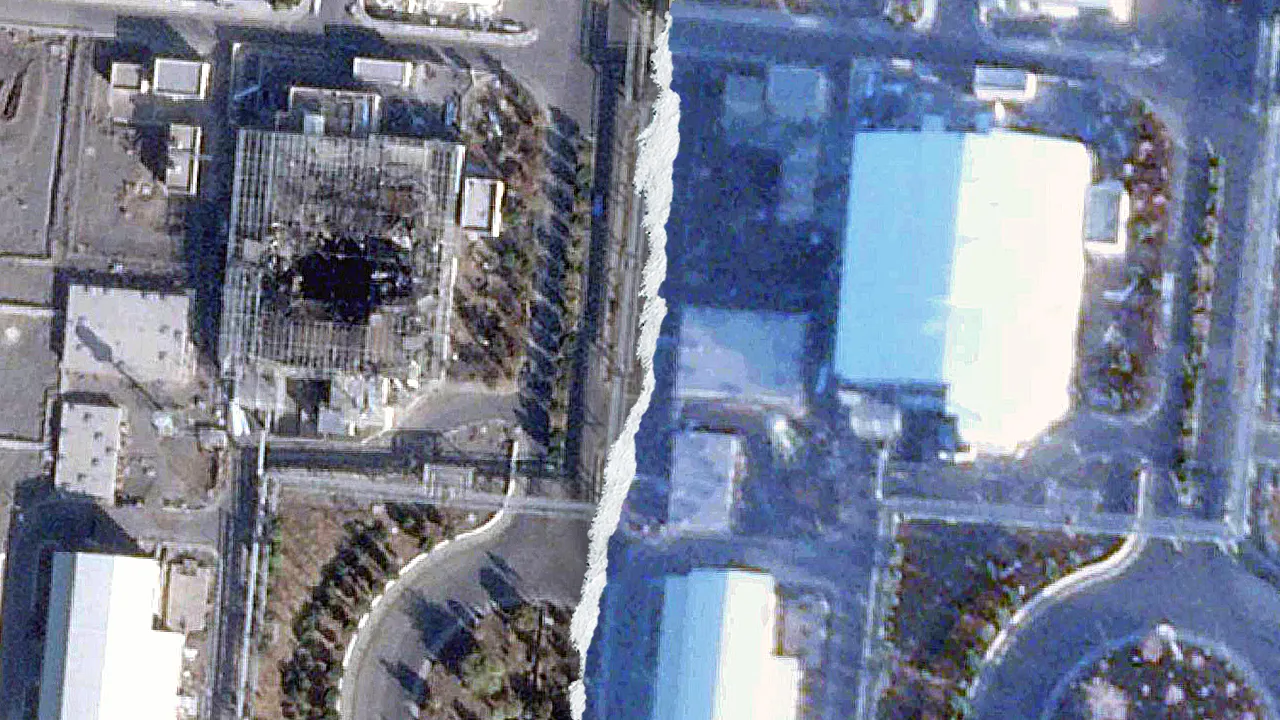
Fresh satellite images have captured Iran constructing new roofs over nuclear facilities damaged during joint U.S.-Israeli strikes last year, potentially to shield recovery operations from international observation.
The photos from Planet Labs PBC reveal coverings being placed over damaged buildings at both the Isfahan and Natanz nuclear sites following the June 2025 military operations. These installations appear to be part of a strategic effort to prevent satellite surveillance of Iran’s post-strike recovery activities.
“They want to be able to get at any recovered assets they can get to without Israel or the United States seeing what survived,” said Andrea Stricker, an Iran researcher at the Foundation for Defense of Democracies. She added that Iranian officials are likely assessing whether critical materials, including highly enriched uranium stocks, survived the attacks.
These coverings are particularly significant because they block the only remaining method of monitoring these facilities. Iran has prevented International Atomic Energy Agency (IAEA) inspectors from accessing the sites since the attacks, making satellite observation the sole means of international oversight.
The Natanz facility, located approximately 135 miles south of Tehran, houses a complex of above- and below-ground laboratories that performed the bulk of Iran’s uranium enrichment activities before the strikes. Meanwhile, the Isfahan site primarily produced uranium gas used in centrifuges for purification processes.
The military operations against these facilities began with targeted Israeli strikes, followed by American attacks using bunker-busting bombs and Tomahawk cruise missiles. According to the Israel Defense Forces, their operations at Isfahan “dismantled a facility for producing metallic uranium, infrastructure for reconverting enriched uranium, laboratories, and additional infrastructure.” The White House’s National Security Strategy published in November confirmed that U.S. strikes had “significantly degraded Iran’s nuclear program.”
The roofing construction represents the latest development in the ongoing tensions between Iran and Western powers over its nuclear ambitions. Iran’s nuclear program has been a flashpoint in international relations for decades, with concerns that the country could develop nuclear weapons capabilities despite its claims that the program serves peaceful purposes.
The satellite images emerge amid escalating rhetoric from President Donald Trump, who has warned of a “massive Armada” heading toward the Middle East, intensifying pressure on Iran to reach a nuclear agreement. During a recent Cabinet meeting, War Secretary Pete Hegseth stated that U.S. military forces are “prepared to deliver whatever the president expects” regarding Iran.
Iranian military officials have responded defiantly, vowing an “immediate and decisive response” to any U.S. military action. The Trump administration has simultaneously increased economic pressure by implementing additional sanctions against Iranian officials over the regime’s violent suppression of domestic protests.
The construction of these roofs highlights the ongoing cat-and-mouse game between Iran and Western intelligence agencies. By obscuring activities at these crucial nuclear sites, Iran creates an information vacuum that complicates international monitoring efforts and potentially provides cover for nuclear program restoration activities.
Nuclear proliferation experts have expressed concern that without proper inspection access, the international community cannot verify Iran’s compliance with nuclear restrictions or accurately assess the current state of its nuclear capabilities following last year’s strikes. The IAEA has repeatedly called for Iran to restore inspector access to these facilities, but Tehran has thus far refused to cooperate.
As military tensions and diplomatic maneuvers continue to unfold, these satellite images provide rare visual evidence of Iran’s efforts to rebuild and potentially shield its nuclear infrastructure from international scrutiny.
Fact Checker
Verify the accuracy of this article using The Disinformation Commission analysis and real-time sources.

11 Comments
These satellite images highlight the complexities surrounding the Iranian nuclear issue. While the strikes may have set them back, Iran appears determined to rebuild and conceal their activities. Maintaining a robust verification and monitoring regime will be key.
You’re right, this is a complex geopolitical challenge with high stakes. Preventing nuclear proliferation is critical, but it requires delicate diplomacy and hard-nosed verification from the international community.
Interesting to see Iran taking steps to shield their nuclear recovery efforts from international observation. Covering up damaged facilities is likely an attempt to conceal any remaining materials or infrastructure. Curious to see how the IAEA and other stakeholders will respond.
Agreed, this seems like a concerning development. Iran’s lack of transparency around their nuclear program is troubling, especially with the recent strikes. Careful monitoring will be crucial going forward.
This is a complex and high-stakes issue. While the strikes may have set Iran back, their attempts to conceal their nuclear activities raise serious red flags. Rigorous verification and diplomacy will be crucial to addressing this challenging situation.
You’re absolutely right. Iran’s lack of transparency and obstruction of international oversight is deeply concerning. Maintaining a strong, verifiable framework will be essential to upholding nuclear nonproliferation commitments.
Iran’s efforts to shield their nuclear sites from observation following the strikes are deeply troubling. Restricting IAEA access while rebuilding covertly undermines trust and raises serious questions about their true intentions. Vigilant monitoring will be critical going forward.
The satellite images showing Iran’s efforts to obscure their nuclear sites are quite alarming. Restricting access and hiding recovery activities suggests they have something to hide. Maintaining vigilant monitoring will be essential to ensure Iran abides by its commitments.
Iran’s moves to conceal their nuclear activities following the strikes are troubling. Blocking satellite and IAEA oversight undermines transparency and raises suspicions about their long-term goals. Rigorous verification will be crucial to prevent further nuclear proliferation.
Agreed, Iran’s lack of transparency is deeply concerning. The international community must remain steadfast in its efforts to verify Iran’s compliance and prevent the country from obtaining nuclear weapons capabilities.
The Iranian government’s efforts to shield their nuclear sites from observation are concerning. Restricting IAEA access while covertly rebuilding raises serious questions about their true intentions. Vigilant monitoring will be essential to ensure compliance with international agreements.