


Listen to the article
Russian Oil Tanker Bound for Cuba Employs “Dark Fleet” Tactics to Evade Scrutiny
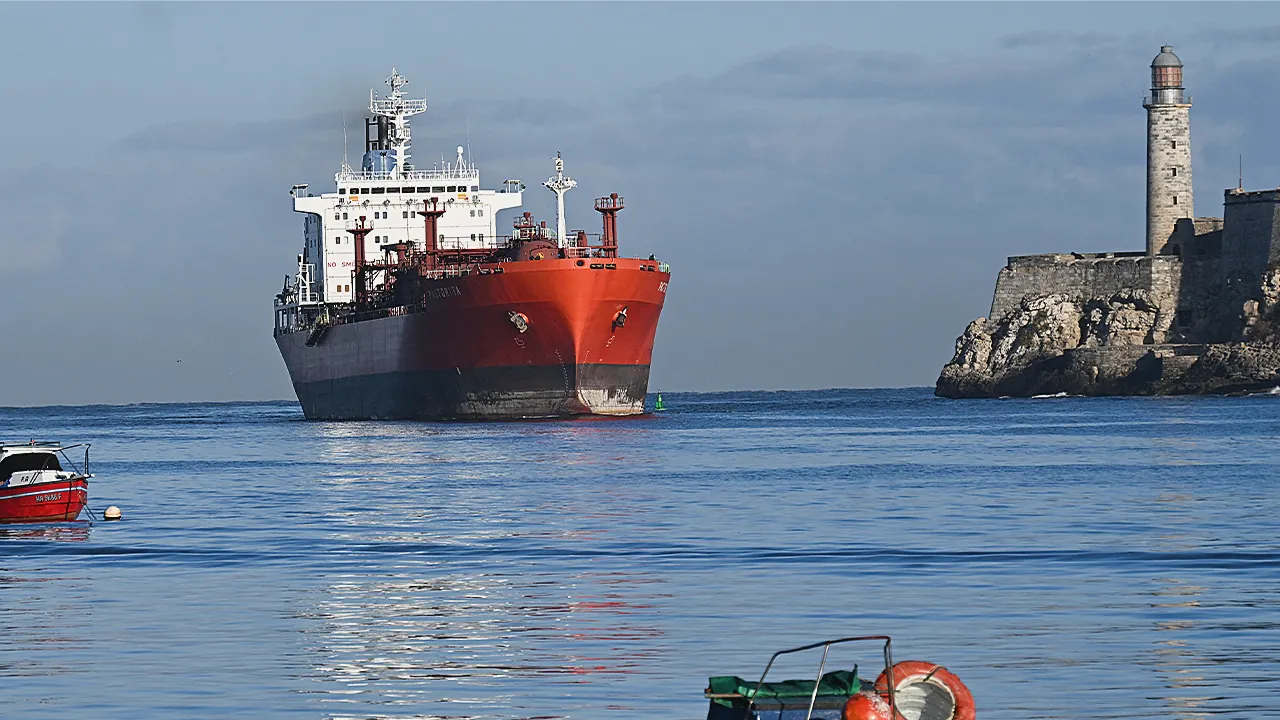
A tanker allegedly carrying Russian fuel destined for Cuba has been employing a series of deceptive maritime strategies to conceal its movements and cargo, according to intelligence from maritime analytics firm Windward.
The vessel, identified as the Sea Horse, was spotted Tuesday along the U.S. East Coast with its signal marked as “roaming” in marine tracking systems. According to Windward’s analysis, the tanker’s journey has involved multiple instances of signal manipulation and offshore transfers typical of vessels attempting to circumvent international scrutiny.
The tanker’s movements come amid increasing U.S. pressure on Cuba’s energy supplies. In January, President Donald Trump signed an executive order declaring a national emergency with respect to Cuba and authorizing tariffs on countries that sell or supply oil to the island nation. The U.S. has also targeted third-party suppliers and disrupted deliveries following new sanctions against Venezuela and the detention of Venezuelan leader Nicolás Maduro.
Maritime intelligence reveals that the Sea Horse initially broadcast Havana as its destination on February 7, operating under a Hong Kong flag before quietly altering course. Windward reported that the vessel had been expected to arrive in Cuba in early March.
In what appears to be deliberate obfuscation, the tanker later changed its Automatic Identification System (AIS) signal to indicate it would arrive in the “Caribbean Sea” within two weeks—a vague designation often used by vessels attempting to hide their final destination. The destination was subsequently changed again to “Gibraltar for orders,” despite the vessel having already passed through the strait, behavior Windward described as inconsistent with standard commercial shipping practices.
“These patterns of constantly changing destinations and vague location reporting are hallmarks of vessels attempting to obscure their movements and intent,” said a maritime security expert who requested anonymity. “They’re classic evasion techniques used in sanction-busting operations.”
Further analysis from Windward suggests the Sea Horse loaded its cargo through a ship-to-ship (STS) transfer conducted offshore near Cyprus. During this loading process, the tanker temporarily switched off its AIS signal—a common tactic used to avoid regulatory oversight. The vessel’s draft noticeably increased on February 8, several days after departing an area known for floating storage and transshipment of Russian middle distillate cargoes from Black Sea ports.
“Ship-to-ship transfers outside territorial waters, where port-state oversight is limited, have become a common practice in oil trade to circumvent sanctions and regulatory scrutiny,” Windward noted in its report.
The Sea Horse had reportedly loitered in this transshipment zone for approximately two weeks before continuing its journey. Such offshore transfers have become increasingly common in the shadow fleet operations that sustain Russian oil exports despite international sanctions.
The timing of this shipment is particularly significant as Cuba faces a deepening energy crisis. Oil shipments from Venezuela, historically Cuba’s primary supplier, were halted following U.S. action in early January. Mexico, another major supplier, has also reportedly suspended oil shipments to the island nation.
This incident highlights the growing sophistication of the “dark fleet”—vessels that operate with limited transparency, often changing flags, ownership structures, and identifiers to obscure their activities. Maritime security experts note that AIS manipulation, offshore transfers, and ambiguous destination reporting have become standard features of shadow fleet operations.
The Sea Horse case represents just one example of how international actors continue to find ways to circumvent economic sanctions through maritime deception, creating significant challenges for regulatory enforcement. For Cuba, securing fuel supplies has become increasingly difficult as traditional sources are cut off by U.S. pressure, potentially driving the island nation to seek alternative suppliers willing to operate outside conventional shipping channels.
As this vessel continues its journey, maritime authorities will likely maintain close observation of its movements, though intercepting such shipments remains challenging in international waters where jurisdiction is limited.
Fact Checker
Verify the accuracy of this article using The Disinformation Commission analysis and real-time sources.

10 Comments
The US is really cracking down on Cuba’s energy supplies, but Russia seems intent on keeping them fueled up. This ‘dark fleet’ tanker is an interesting development. I wonder what other methods these vessels might use to avoid detection and deliver their cargo.
So Russia is using ‘dark fleet’ tactics to get oil to Cuba despite the US sanctions. I can’t say I’m surprised – sanctions rarely stop determined actors. The question is whether the US will be able to effectively enforce its embargo or if Russia will find ways around it.
This highlights the complex web of international geopolitics and sanctions that commodity traders have to navigate these days. While the US is intent on choking off Cuba’s energy supplies, Russia appears equally committed to keeping them fueled up. It will be worth watching how this cat-and-mouse game plays out.
Interesting to see this ‘dark fleet’ tanker trying to evade detection near the US coast. Sanctions against Cuba are clearly having an impact, though Russia seems determined to keep supplying them with fuel. I wonder what other tactics these vessels might employ to avoid scrutiny.
The US crackdown on Cuba’s energy supplies is clearly having an impact, but Russia seems determined to find ways around the sanctions. This ‘dark fleet’ tanker is an intriguing development, and I’m curious to see what other tactics these vessels might employ to avoid detection and deliver their cargo.
The US crackdown on Cuba’s energy supplies is clearly having an impact, but Russia seems intent on finding ways around the sanctions. This ‘dark fleet’ tanker is an interesting development, and I’m curious to see what other tactics these vessels might employ to avoid detection and deliver their cargo.
Sanctions are always a game of cat and mouse, and this ‘dark fleet’ tanker is a prime example. The US is clearly serious about cutting off Cuba’s energy supplies, but Russia appears equally determined to keep them fueled up. It will be fascinating to see how this geopolitical chess match plays out.
It’s remarkable how resourceful some actors can be in evading sanctions. This ‘dark fleet’ tanker is a prime example of the tactics used to circumvent international scrutiny. While the US is intent on choking off Cuba’s energy supplies, Russia seems equally committed to keeping them fueled up. I wonder what other tricks these vessels might have up their sleeve.
Sanctions are always a game of cat and mouse. While the US is trying to cut off Cuba’s energy, Russia appears determined to keep supplying them. This ‘dark fleet’ tanker is a fascinating example of the tactics used to circumvent international scrutiny. It will be interesting to see how this plays out.
It’s remarkable how resourceful some actors can be in evading sanctions. This ‘dark fleet’ tanker trying to deliver Russian oil to Cuba is a prime example. The US is clearly serious about choking off Cuba’s energy supplies, but Russia seems equally committed to keeping them fueled up. I wonder what other tricks these vessels might have up their sleeve.