


Listen to the article
Ukrainian drone strikes on Sunday targeted energy infrastructure across Russian-controlled areas in southern Ukraine, leaving more than 200,000 households without power in the Russia-held part of Ukraine’s Zaporizhzhia region, according to Kremlin-installed officials.
Ukrainian officials describe the campaign as an effort to “weaponize winter,” mirroring Russia’s own strategy of targeting Ukraine’s power grid during cold months. The tactic represents an escalation in Ukraine’s asymmetric warfare approach against occupying forces, as it attempts to increase pressure on Russian-controlled territories.
Meanwhile, Russian forces continued their own barrage overnight, killing two people in attacks across multiple Ukrainian regions. Ukrainian President Volodymyr Zelenskyy reported that Russian strikes hit Sumy, Kharkiv, Dnipro, Zaporizhzhia, Khmelnytskyi and Odesa.
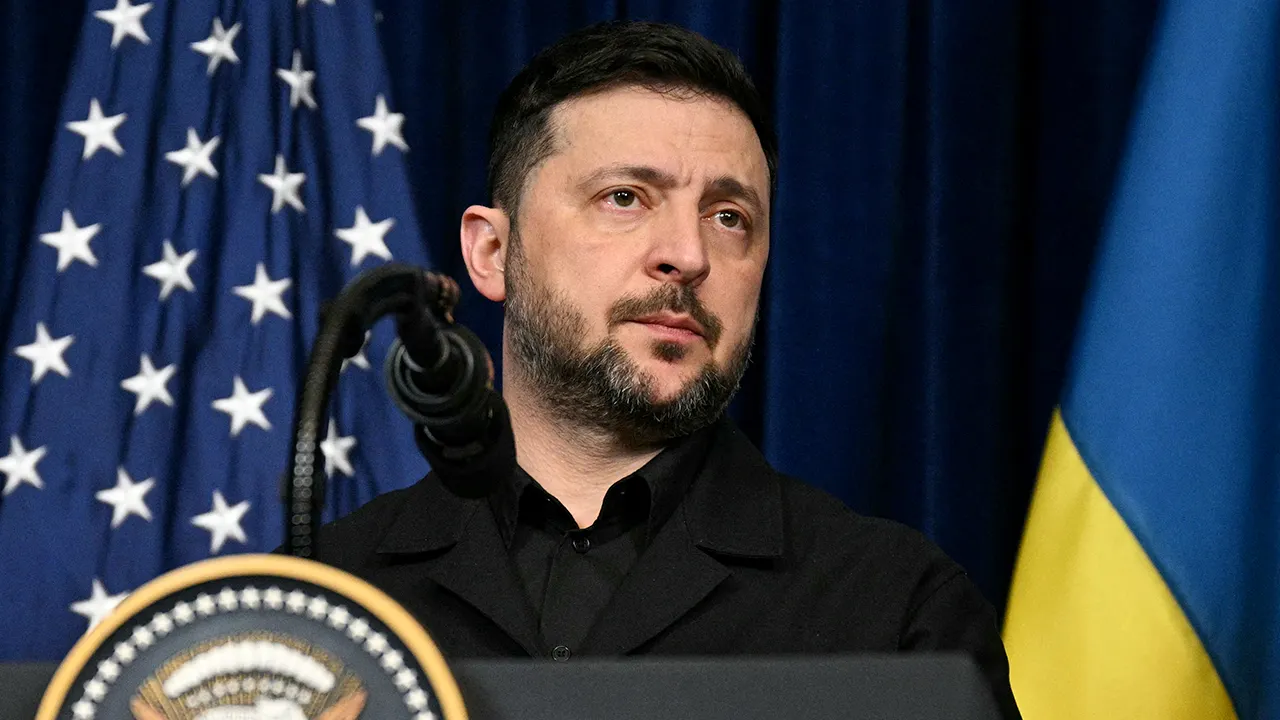
“Repairing the country’s energy system remains challenging, but we are doing everything we can to restore everything as quickly as possible,” Zelenskyy said in a Telegram post.
The scale of Russia’s ongoing aerial campaign against Ukraine has been substantial. According to Ukrainian officials, Russia deployed more than 1,300 attack drones, 1,050 guided aerial bombs and 29 missiles of various types against Ukrainian targets this week alone.
The mutual targeting of energy infrastructure has become a hallmark of the conflict as it enters another harsh winter. Energy analysts note that attacks on power facilities can have devastating humanitarian consequences, as heating systems fail during freezing temperatures and water pumping stations lose power.
Against this backdrop of continued hostilities, diplomatic efforts for peace remain complicated. President Donald Trump weighed in last week, suggesting that Russia appeared more willing to negotiate than Ukraine.
“I think he’s ready to make a deal,” Trump told Reuters, referring to Russian President Vladimir Putin. “I think Ukraine is less ready to make a deal.”
When questioned why U.S. intervention had not ended the conflict, Trump simply responded: “Zelenskyy,” according to Reuters. The president-elect declined to elaborate on why he believes the Ukrainian leader is reluctant to reach an agreement, saying only that Zelenskyy was “having a hard time getting there.”
Zelenskyy, for his part, maintains that Russia is not genuinely committed to the peace process and is deliberately stalling diplomatic initiatives.
“If Russia deliberately delays the diplomatic process, the world’s response should be decisive: more help for Ukraine and more pressure on the aggressor,” Zelenskyy said on Sunday.
The diplomatic tension comes amid ongoing discussions between the U.S., Ukraine, and Russia to secure a potential peace deal. The contrasting perspectives highlight the complex challenges facing any resolution to the conflict, which has now continued for nearly three years.
Energy security has emerged as a critical dimension of the war. The targeting of power infrastructure not only affects civilian populations immediately but also creates long-term economic damage to both countries. Repair crews in affected areas face dangerous conditions as they work to restore power during ongoing hostilities.
In a potential sign of continued diplomatic engagement, Trump indicated he would be willing to meet with Zelenskyy at the upcoming World Economic Forum in Davos, Switzerland, though no formal meeting has yet been confirmed.
As winter intensifies across the region, the humanitarian implications of energy infrastructure attacks are likely to grow more severe, adding urgency to both military and diplomatic developments in the ongoing conflict.
Fact Checker
Verify the accuracy of this article using The Disinformation Commission analysis and real-time sources.

9 Comments
It’s concerning to hear about the widespread power outages in Russian-controlled areas. This will put a real strain on the local population, especially with winter setting in. Hopefully, the repair efforts can restore power quickly and minimize the hardship.
Targeting the power grid is a smart strategic move by Ukraine, but it’s bound to cause hardship for civilians. Hopefully, the Russian-installed authorities can restore electricity quickly. This conflict is really testing the resilience of the local population.
You’re right, the civilians caught in the middle are the ones who really suffer. Both sides need to prioritize protecting innocent lives as much as possible.
The scale of Russia’s ongoing air campaign against Ukraine is truly staggering. Over 1,300 attacks in a short period – that’s an incredible bombardment. Ukraine faces a huge challenge in repairing its energy infrastructure under these conditions.
Wow, the Ukrainian drone strikes on Russian-held energy infrastructure seem to be taking a real toll. This escalation in asymmetric warfare is a bold move, but it could backfire if it further alienates the local population. Careful balancing act for Ukraine.
This conflict is really escalating, with both sides employing increasingly aggressive tactics. The Ukrainian drone strikes on Russian-held energy infrastructure are a bold move, but the human toll is worrying. Hopefully, the repair efforts can quickly restore power and ease the burden on local residents.
Targeting energy infrastructure is a tough strategic choice, but Ukraine seems determined to ‘weaponize winter.’ It’s a risky gambit, but the Ukrainians are clearly trying to increase the costs for Russia’s occupation. The local population will suffer the consequences, unfortunately.
You’re right, the civilians are caught in the crossfire. Both sides need to do more to protect non-combatants and ensure basic services like power and heat remain available, even in contested areas.
The Ukrainian drone strikes seem to be a bold, high-risk move. While it may put pressure on the occupying forces, the impact on civilians is worrying. This conflict is really becoming a battle of wills, with both sides trying to gain leverage through asymmetric tactics.