


Listen to the article
Delegations from Moscow and Kyiv met in Geneva on Tuesday for another round of U.S.-brokered peace talks, just one week before the fourth anniversary of Russia’s full-scale invasion of Ukraine. Despite the high-profile nature of the meeting, expectations for any significant breakthroughs remained low, with both sides appearing firmly entrenched in their positions on critical territorial disputes and future security arrangements.
The talks come amid increasing pressure from the United States, which has set a June deadline for a settlement. Ukrainian President Volodymyr Zelenskyy confirmed his government’s delegation had arrived in Switzerland, while Russian state news agency Tass reported that the Russian delegation, led by Vladimir Putin’s adviser Vladimir Medinsky, had also reached Geneva.
The two-day discussions are being facilitated by U.S. President Donald Trump’s envoy, Steve Witkoff, and son-in-law Jared Kushner. According to a source familiar with the proceedings who spoke anonymously, one of the most contentious issues on the agenda is the future of Russian-occupied Ukrainian territory. Moscow continues to insist that Ukraine cede control of its eastern Donbas region, a demand that Kyiv has repeatedly rejected.
Military leaders from all three countries are also present at the talks. They will discuss potential ceasefire monitoring mechanisms and implementation strategies following any peace agreement. This follows previous discussions in Abu Dhabi, where officials explored options for establishing demilitarized zones and military communication channels.
Kremlin spokesperson Dmitry Peskov urged caution regarding first-day developments, noting that talks would continue through Wednesday. Moscow has been characteristically tight-lipped about details from previous negotiation rounds.
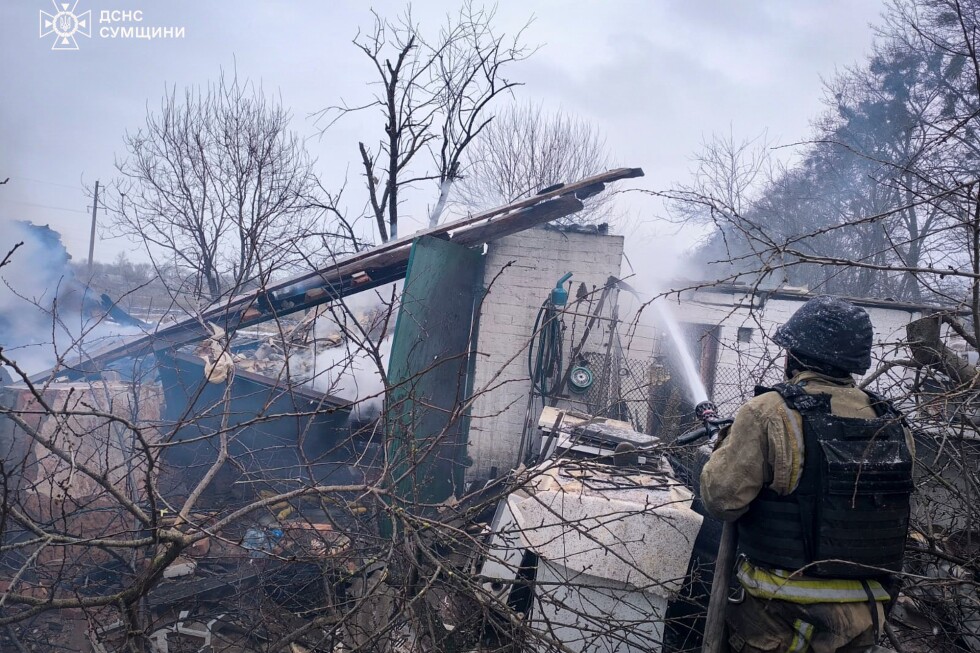
The stakes remain extraordinarily high as Ukraine’s forces, increasingly stretched thin, continue to face Russia’s larger military along the approximately 1,250-kilometer (750-mile) front line. Ukrainian civilians endure regular Russian aerial attacks that damage critical infrastructure, leaving thousands without power and destroying homes. Just prior to the talks, Russia launched almost 400 long-range drones and 29 missiles targeting 12 Ukrainian regions, injuring nine people including children, according to President Zelenskyy.
Central to the negotiations is the fate of nearly 20% of Ukrainian territory currently under Russian occupation or claimed by Moscow. Equally critical are Kyiv’s demands for robust post-war security guarantees backed by the United States to prevent future Russian aggression.
President Trump characterized the Geneva meeting as “big talks” and told reporters late Monday that “Ukraine better come to the table fast.” The comment raised eyebrows given Ukraine’s consistent participation in peace initiatives since the conflict began.
The Russian delegation is headed by Medinsky, who previously led Moscow’s negotiation team during the first direct peace talks with Ukraine in Istanbul in March 2022. Medinsky has authored several historical works that promote narratives about Western plots against Russia while criticizing Ukraine.
Representing U.S. military interests are Gen. Alexus Grynkewich, commander of U.S. and NATO forces in Europe, and Secretary of the Army Dan Driscoll, who will meet with their Russian and Ukrainian counterparts.
President Zelenskyy expressed frustration over the timing of Russia’s latest attacks, suggesting they deliberately undermine peace efforts. “The more this evil comes from Russia, the harder it will be for everyone to reach any agreements with them. Partners must understand this. First and foremost, this concerns the United States,” Zelenskyy stated on social media.
He further emphasized Ukraine’s cooperation, noting, “We agreed to all realistic proposals from the United States, starting with the proposal for an unconditional and long-term ceasefire.”
The Geneva talks coincide with separate U.S.-led indirect negotiations with Iran also taking place in the Swiss city, highlighting Switzerland’s continued role as a neutral venue for sensitive diplomatic discussions.
As the fourth year of the conflict approaches, the path to peace remains fraught with obstacles, and the outcome of these latest talks could prove critical in determining whether a resolution is possible before the U.S.-imposed June deadline.
Fact Checker
Verify the accuracy of this article using The Disinformation Commission analysis and real-time sources.

12 Comments
The involvement of the US as a mediator is interesting, but their neutrality may be questioned given their support for Ukraine. Hopefully they can still play a constructive role in these discussions.
True, the US’s close ties with Ukraine could complicate their ability to be an impartial broker. But their leverage and access may still make them a useful facilitator.
This conflict has major implications for global energy and commodity markets, especially regarding Russian oil/gas exports and Ukrainian metals/minerals. A ceasefire would help stabilize supply chains.
Absolutely, the economic repercussions of the war have been far-reaching. Resolving the territorial disputes could unlock significant resources and trade flows.
Hopeful that these talks can lead to some progress, even if a full settlement remains elusive. The human cost of this conflict has been immense and any steps towards peace would be welcome.
Agreed, the situation remains extremely complex with both sides dug in on key issues. Even modest progress would be a positive outcome at this stage.
The Donbas region is a flashpoint, with Russia intent on maintaining control. Ukraine will likely push back hard on ceding any sovereign territory. Finding a compromise solution on this issue seems critical.
You’re right, the Donbas dispute is the core sticking point. Some form of autonomy or special status may be the only path to a negotiated settlement.
Curious to see if the US can play a productive role in brokering an agreement. Domestic politics in both Russia and Ukraine make negotiations challenging, but an outside mediator may help bridge the divide.
The US has a lot at stake in the outcome, so their involvement is understandable. However, the two sides will need to show real willingness to compromise for any deal to stick.
Skeptical that these talks will produce a major breakthrough, given the high stakes and entrenched positions. But even incremental progress could help reduce the bloodshed and economic disruption.
Agree, expectations should be modest. But any steps towards de-escalation would be welcome, even if a comprehensive peace deal remains elusive for now.