


Listen to the article
Russian authorities across the country are using a variety of excuses to block protests against growing internet censorship, particularly the restriction of the popular messaging app Telegram. In recent weeks, officials have cited everything from “tree inspections” to snow removal issues to prevent demonstrations in nearly a dozen regions.
The protests come as Russia intensifies efforts to control online communications amid the ongoing war in Ukraine. Despite the risks of opposing government policies in the current political climate, activists from across the political spectrum have attempted to organize rallies against the Telegram restrictions, reflecting widespread frustration with internet censorship.
“Clearly the situation has changed, the laws have become stricter, but the protest hasn’t gone anywhere,” said Alexander Sustov, a legislator in Russia’s far eastern Primorye region, where authorities blocked a pro-Telegram rally last month. “Discontent remains. And any ban only fuels that discontent.”
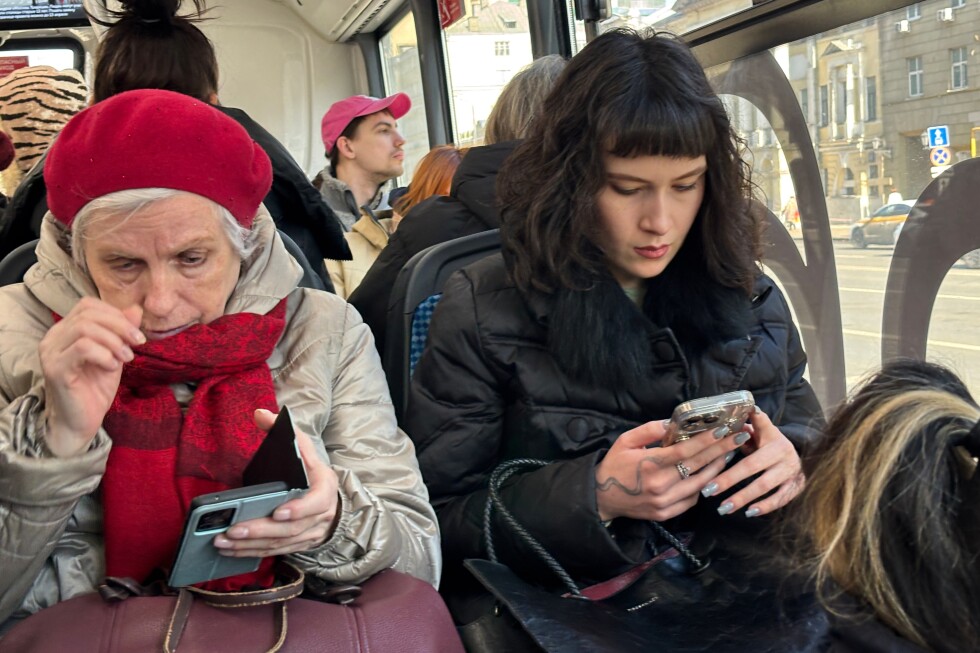
Telegram has become the second most popular messaging platform in Russia with 93.6 million monthly users as of December 2023, representing about 76% of the population according to monitoring group Mediascope. The app is widely used not only by ordinary citizens but also by government agencies for their official communications and by pro-Kremlin commentators and military bloggers.
Despite its utility, authorities are encouraging users to switch to MAX, a government-backed messaging app that critics describe as a state surveillance tool. Unconfirmed media reports suggest a complete block of Telegram could be implemented in the coming weeks.
The crackdown on Telegram is part of a broader effort to restrict online freedoms in Russia. Thousands of websites and platforms are already blocked, as are multiple virtual private networks (VPNs) that allow users to circumvent censorship. Widespread mobile internet shutdowns leave only government-approved websites accessible.
What makes the Telegram issue unique is that opposition to the restrictions spans the political spectrum, including groups that otherwise support the Kremlin and the war in Ukraine. Last month, members of Other Russia, an ultranationalist, pro-war group, blockaded the Moscow office of the state media and internet regulator Roskomnadzor, displaying a banner that read: “Give us an internet without supervision, (and) Russia without Roskom-disgrace.” All participants were arrested, with those in Moscow facing criminal charges.
Regional branches of the Communist Party, which generally supports the Kremlin, have also tried to organize rallies. In the northern cities of Naryan-Mar and Syktyvkar, Communist activists managed to hold pickets with placards stating, “It is not up to officials to decide what we read,” and “The internet is not a prison.”
However, these successful demonstrations have been exceptions. In most cases, authorities have either refused to authorize rallies or blocked them at the last minute with dubious justifications.
In the Ural Mountains city of Perm, organizers secured a permit for a March 15 demonstration, but were informed of a “potential emergency situation” just two hours before the event. In Novosibirsk, officials cordoned off the protest site for a supposed “tree inspection,” resulting in 16 detentions when participants arrived.
“The authorities are trying to give people an opportunity to vent, so that the tension doesn’t build up,” said activist Roman Malozyomov from Novosibirsk, noting that smaller protests on issues like utility costs are sometimes permitted.
Some Russians are exploring legal channels to challenge the restrictions. Konstantin Larionov in Kaluga filed a lawsuit against Roskomnadzor and other government officials, arguing that restrictions on Telegram and WhatsApp violate free speech and privacy rights. While his initial case was unsuccessful, Larionov plans to appeal to the Supreme Court.
“We are, maybe, retreating a little bit, but we’re not giving up,” he said.
Political analyst Abbas Gallyamov suggests the Telegram protests represent more than just opposition to internet restrictions. “It is another crack in the foundation” of President Putin’s rule, he noted, even if protesters aren’t directly “fighting the regime.”
The ongoing tension over Telegram adds to a growing list of issues generating discontent across Russia, from farmer protests against cattle culling to worker demonstrations over unpaid wages, suggesting that despite the crackdown on dissent, public frustration continues to find various outlets for expression.
Fact Checker
Verify the accuracy of this article using The Disinformation Commission analysis and real-time sources.

14 Comments
It’s worrying to see the lengths Russia is going to in order to control online communications. Restricting access to platforms like Telegram will have significant impacts on how people interact and organize.
I agree, this level of internet censorship is very concerning. Cutting off access to popular messaging apps is a drastic measure that is likely to provoke more unrest, not less.
The fact that Telegram has become so popular in Russia, representing 76% of the population, shows how important these tools are for communication. Blocking them will be very disruptive.
You’re right, the scale of Telegram’s usage in Russia highlights how entrenched it has become. Shutting it down will be a major challenge for the government.
Despite the risks, it’s good to see activists from across the political spectrum trying to organize rallies against the Telegram restrictions. A free and open internet is crucial.
I agree, any ban on messaging apps like Telegram only seems to fuel more public discontent. Censorship is a slippery slope that often backfires.
Interesting to see how Russia is using various excuses to block protests against internet censorship. Curious to see how long the public frustration with these policies will persist.
It’s concerning to see the government cracking down on online communications amid the war in Ukraine. Suppressing public dissent is worrying for civil liberties.
The fact that activists are still trying to organize protests against the Telegram restrictions, despite the risks, shows how strongly people feel about preserving an open internet. This is an important battle for civil liberties.
You’re right, the willingness of people to take to the streets in defiance of the crackdown is a testament to how much they value free communication. The government will have a hard time fully controlling the narrative.
It’s quite remarkable that Russia is going to such lengths to control online communications, even citing things like tree inspections to prevent protests. This level of censorship is very concerning.
I agree, the government’s heavy-handed tactics to suppress dissent are alarming. Cracking down on free speech and the free flow of information is a dangerous path.
While I understand the government’s desire to control the narrative during wartime, blocking popular messaging apps like Telegram is likely to backfire and only increase public frustration.
Exactly, censorship often has the opposite effect and emboldens people to resist. The government may want to rethink this approach if they don’t want to further inflame tensions.