


Listen to the article
Russia evades U.S. sanctions to deliver oil to crisis-stricken Cuba
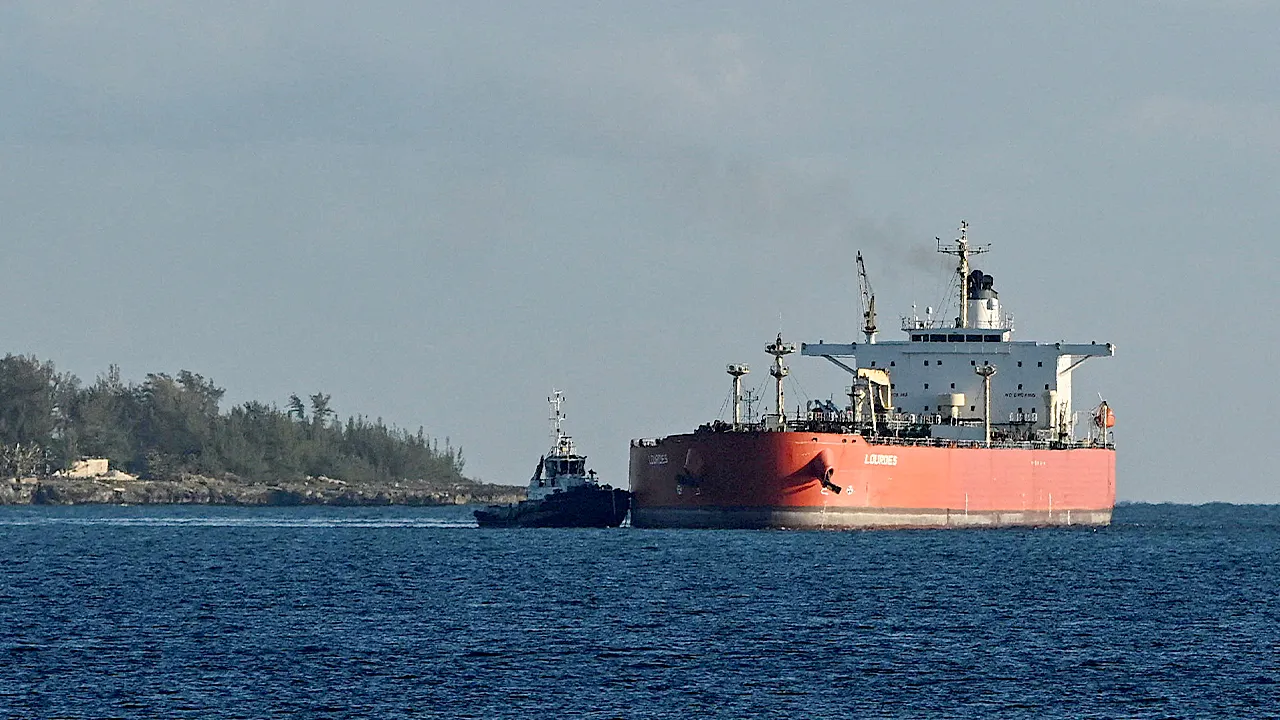
Russia is covertly shipping oil to Cuba using deceptive maritime tactics to bypass U.S. sanctions, according to multiple maritime intelligence reports. These secretive deliveries come as the island nation grapples with severe fuel shortages and widespread power outages that have crippled its economy and infrastructure.
One alleged delivery occurred shortly before a catastrophic grid collapse on March 16 that left approximately 10 million Cubans without electricity, according to Cuban authorities and the U.S. Embassy in Havana.
Maritime intelligence firm Windward AI identified a Hong Kong-flagged tanker called Sea Horse as a key vessel in these clandestine operations. Although not under sanctions itself, the tanker exhibited numerous behaviors consistent with sanctions evasion. According to the firm’s March 18 report, the vessel likely transported between 190,000 and 200,000 barrels of oil to Cuba.
“The Hong Kong-flagged tanker has AIS patterns that suggest the tanker spoofed its location and likely sailed to Cuba to discharge its cargo in early March,” Windward AI stated in its analysis.
The intelligence firm noted several suspicious activities, including the vessel switching off its Automatic Identification System (AIS) during a ship-to-ship transfer near Cyprus, where it likely loaded its cargo. The tanker also sailed without Western insurance coverage, a common indicator of sanctions circumvention efforts.
Further raising red flags, the vessel repeatedly altered its stated destination, initially signaling Havana before changing to “Gibraltar for orders,” a tactic frequently used to obscure final delivery points. After crossing the Atlantic, it appeared to drift while broadcasting that it was “not under command,” leading analysts to suggest its AIS signals may have been manipulated to conceal its true location and activities.
The Financial Times reported on March 18 that another Russian-flagged tanker, the Anatoly Kolodkin, carrying crude oil, was expected to reach Cuba by April 4, suggesting an ongoing supply line between Moscow and Havana.
The Kremlin has openly pledged support for Cuba amid its energy crisis. “We are ready to provide all possible assistance,” Russian spokesman Dmitry Peskov told reporters on March 17, according to The Moscow Times.
These oil shipments take on additional significance in light of the Trump administration’s policy changes since January 29, which effectively created an oil blockade against Cuba. The measures have severely disrupted fuel shipments to the island, a situation compounded by major political changes in Venezuela and the arrest of Nicolás Maduro, which further tightened supply channels.
President Donald Trump has warned that countries supplying oil to Cuba could face tariffs, while Cuban President Miguel Díaz-Canel condemned the measures as an “economic war” and pledged continued resistance in a social media post.
State Department officials told Fox News that under existing law, there are legal ways for Cuban companies and citizens to purchase oil, but the Cuban regime makes such transactions impossible. They clarified that the U.S. oil embargo specifically prevents only the Cuban regime from purchasing oil, not its citizens.
“The only way for Cuba to fix its energy crisis is to address the root cause of its economic failures: total government control of economic life,” a U.S. official stated on March 17. “The regime must make significant changes, allowing for privatization and for the Cuban people to provide for themselves.”
Another senior State Department official noted that Cuba’s blackouts have “sadly become common for many years in Cuba — a symptom of the failing regime’s incompetence and inability to provide even the most basic goods and services for its people.” They added that this represents “the tragic result of over 60 years of Communist rule” that has transformed “an island that was once the crown jewel of the Caribbean” into a nation that has “plunged into extreme poverty and darkness.”
Trump himself addressed the situation on March 17, telling reporters, “Cuba right now is in very bad shape. They’re talking to Marco,” before adding that “we’ll be doing something with Cuba very soon,” suggesting potential further policy changes toward the island nation.
Fact Checker
Verify the accuracy of this article using The Disinformation Commission analysis and real-time sources.

20 Comments
The cost guidance is better than expected. If they deliver, the stock could rerate.
Good point. Watching costs and grades closely.
Production mix shifting toward World might help margins if metals stay firm.
Good point. Watching costs and grades closely.
Good point. Watching costs and grades closely.
Silver leverage is strong here; beta cuts both ways though.
Good point. Watching costs and grades closely.
Uranium names keep pushing higher—supply still tight into 2026.
Good point. Watching costs and grades closely.
Good point. Watching costs and grades closely.
I like the balance sheet here—less leverage than peers.
Good point. Watching costs and grades closely.
Good point. Watching costs and grades closely.
The cost guidance is better than expected. If they deliver, the stock could rerate.
Exploration results look promising, but permitting will be the key risk.
Uranium names keep pushing higher—supply still tight into 2026.
Good point. Watching costs and grades closely.
Good point. Watching costs and grades closely.
If AISC keeps dropping, this becomes investable for me.
Good point. Watching costs and grades closely.