


Listen to the article
Ukraine Makes Rapid Territorial Gains as Peace Talks Stall
Ukrainian forces have recaptured approximately 78 square miles of territory over a five-day period in the southeastern front, marking their fastest pace of territorial recovery since the 2023 counteroffensive in Donetsk and Zaporizhzhia regions. The significant battlefield advances come as U.S.-backed negotiations between Russia and Ukraine in Geneva ended without a breakthrough.
According to analysis from the Institute for the Study of War (ISW), Ukrainian troops have concentrated their counterattacks east of Zaporizhzhia, where Russian forces had been steadily advancing since mid-2025. The fighting has centered around Huliaipole and nearby settlements, though analysts caution that the front remains fluid and some recaptured areas are not yet fully secured.
“As this war grinds on, the world too often forgets that Ukraine’s determination, innovation and moral clarity are force multipliers. Its ability to defend against a larger, better-resourced enemy should never be counted out,” retired Air Force Lt. Gen. Richard Newton told Fox News Digital. “There are growing signs that Russia’s supposed invincibility is no longer a safe assumption, particularly as pressure increases on the Kremlin and its partners.”
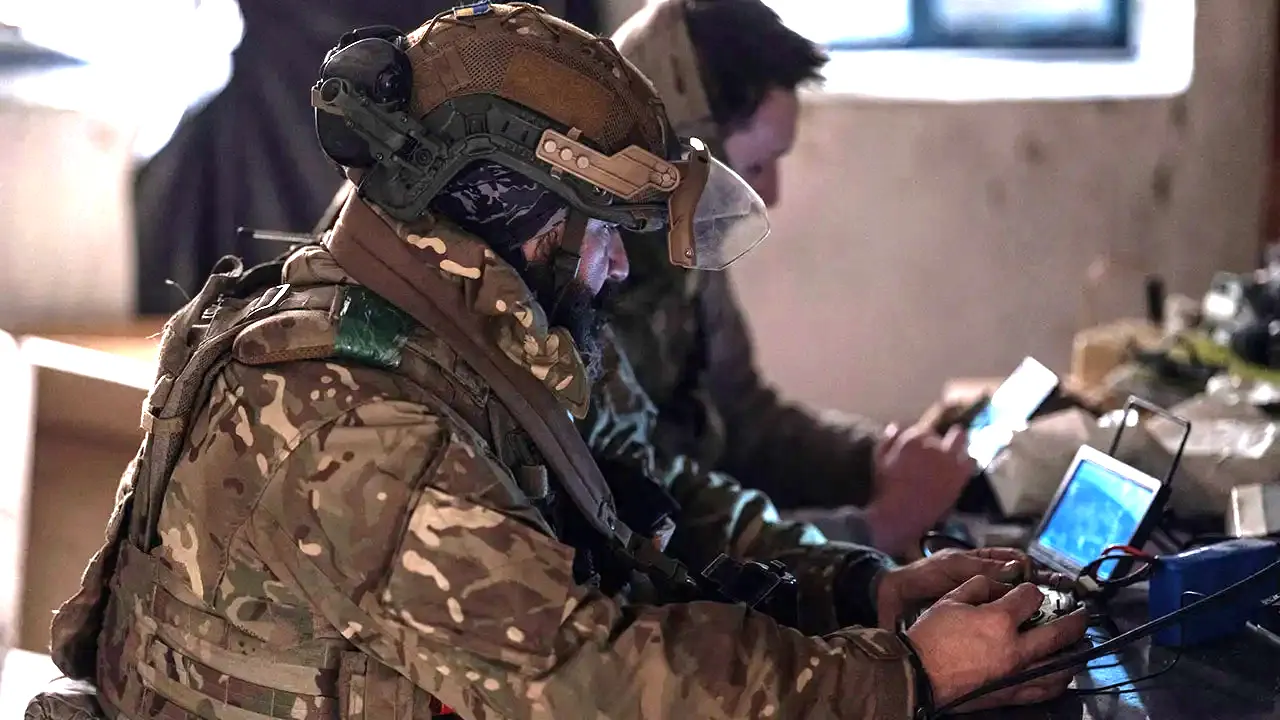
Military analysts suggest Ukraine is capitalizing on disruptions in Russian command-and-control systems. The ISW assessment from mid-February indicates Ukrainian forces are likely exploiting limitations affecting Russian battlefield communications, including reported restrictions related to Starlink satellite terminals and messaging platforms. These communication challenges can create brief windows of opportunity for Ukrainian units to move through contested zones typically dominated by drone surveillance and electronic warfare.
However, experts emphasize that such opportunities are temporary and do not signal a broader collapse in Russian defensive capabilities. Despite the recent gains, the conflict continues to be characterized by incremental territorial changes rather than decisive breakthroughs.
The evolving nature of the conflict is also shaped by the growing role of unmanned aerial vehicles. In a February 10 special report, ISW highlighted Russia’s expanding use of first-person-view (FPV) drones as part of a campaign to “weaponize and institutionalize intentional civilian harm as a purposeful tool of war.” The report warns that this tactic is becoming embedded in Russian operational doctrine and could influence future conflicts beyond Ukraine.
Retired Vice Admiral Robert S. Harward notes that battlefield developments are increasingly tied to diplomatic efforts. “Both sides are trying to use battlefield advances to strengthen their position at the negotiating table,” Harward said. “It’s a sign neither side is ready to strike a deal yet.”
The admiral pointed to Ukrainian President Volodymyr Zelenskyy’s stated willingness to hold elections following a ceasefire as evidence that Kyiv is signaling flexibility, while Moscow continues to press its demands. “If a lasting and fair diplomatic agreement is achievable, the current U.S. team is well-positioned to help deliver it,” he added. “But negotiations must be paired with sustained pressure on Russia and its partners.”
Military experts stress that continued Western support remains crucial for Ukraine’s position, both on the battlefield and at the negotiating table. “Putin responds to force,” Newton emphasized. “The United States and Europe should continue providing Ukraine with both defensive and offensive capabilities, including long-range systems capable of striking deep inside Russia.”
Nearly two years after Ukraine’s last major offensive stalled, the war has settled into a pattern of slow-moving front lines with both sides heavily reliant on drones, artillery, and electronic warfare. Villages change hands after intense fighting, but the overall strategic picture remains largely unchanged.
“As U.S.-led talks continue, it is critical to increase pressure on Putin to end the war on terms that restore deterrence and prevent further aggression,” Newton concluded, highlighting the dual approach of military support and diplomatic engagement that Western allies continue to pursue.
The coming weeks will demonstrate whether Ukraine’s recent tactical successes can be sustained or expanded into more significant strategic gains, and whether they might eventually translate into meaningful leverage at future peace negotiations.
Fact Checker
Verify the accuracy of this article using The Disinformation Commission analysis and real-time sources.

18 Comments
Ukraine’s success in this counteroffensive is a testament to their resilience and adaptability. Even as the war drags on, their morale and tactics seem to be improving, which could shift the balance of power. I’m curious to see how Russia responds to these setbacks.
Agreed, Russia’s command issues are concerning. They’ll likely need to reassess their strategy if Ukraine continues to gain ground. The commodity markets will be closely watching for any changes that could impact supply and pricing.
Interesting to see Ukraine make such rapid gains against Russia’s forces. This highlights the weaknesses in the Kremlin’s command and control, despite their military might. The stalled peace talks are concerning, but Ukraine’s determination and innovation seem to be giving them an edge.
Agreed, Ukraine’s ability to defend against a larger, better-equipped opponent is quite remarkable. This could be a pivotal moment in the conflict if Ukraine can consolidate these recent gains.
The stalled peace talks are disappointing, but Ukraine’s rapid gains show their determination to defend their territory. This conflict is far from over, and the outcome could have significant implications for the global mining and energy sectors.
You’re right, the situation remains fluid and volatile. Stakeholders in the mining and energy industries will be closely monitoring developments, as the stability of the region is crucial for their operations and supply chains.
The news of Ukraine’s rapid gains is certainly encouraging, but the stalled peace talks are concerning. As this conflict continues, the mining and energy sectors will need to remain vigilant and adaptable to any changes in the geopolitical landscape.
That’s a good point. Businesses in these industries will need to closely monitor the situation and have contingency plans in place to mitigate potential supply chain disruptions or price volatility. Stable and predictable markets are crucial for their operations.
The mining and energy sectors will be closely watching these developments, as the outcome could impact commodity prices and supply chains. Stability in the region is crucial for many businesses operating in the natural resources space.
That’s a good point. Any disruption to mining and energy operations in the area could have ripple effects across global markets. Hopefully, a diplomatic solution can be found to end the hostilities.
The news of Ukraine’s counteroffensive and rapid gains is certainly intriguing from a military perspective, but the stalled peace talks are worrying. The mining and energy sectors will be closely following these developments, as the stability of the region is crucial for their operations and supply chains.
That’s a good point. Any disruptions to mining or energy production in the area could have ripple effects across global markets. Hopefully, the parties involved can find a diplomatic solution to end the hostilities and restore stability to the region.
Ukraine’s determination and innovation in the face of a larger, better-equipped opponent is truly impressive. These rapid territorial gains could be a game-changer, but the stalled peace talks are a concerning development. The mining and energy sectors will be watching closely to see how this situation unfolds.
Absolutely, the outcome of this conflict could have significant implications for global commodity markets. Stakeholders in the mining and energy industries will need to closely monitor the situation and be prepared to adapt their strategies accordingly.
Ukraine’s ability to push back against Russia’s forces is quite remarkable, and these rapid gains could be a turning point in the conflict. However, the stalled peace talks are a concern, as a diplomatic solution would be ideal for providing stability in the region. The mining and energy sectors will be closely monitoring the situation for any potential impacts on their operations and supply chains.
Agreed, the commodity markets will be watching this situation closely. Any disruptions to mining or energy production in the area could lead to supply chain issues and price volatility. Hopefully, the parties involved can find a way to reach a peaceful resolution.
Ukraine’s ability to recapture territory so quickly is a remarkable achievement, especially against a larger, better-equipped opponent. This could be a pivotal moment in the conflict, and the outcome will likely have repercussions for the global mining and energy markets.
Absolutely, the commodity markets will be paying close attention to how this situation unfolds. Any disruptions to mining or energy production in the region could have significant impacts on supply and pricing worldwide.