


Listen to the article
Russia’s Military Recruitment Drive Extends Beyond Borders Amid Ukraine Conflict
For average wage earners in Russia, it’s a big payday. For prisoners seeking to escape harsh conditions, it’s a chance at freedom. For immigrants hoping for a better life, it’s a simplified path to citizenship. The common thread: signing a contract to fight in Ukraine.
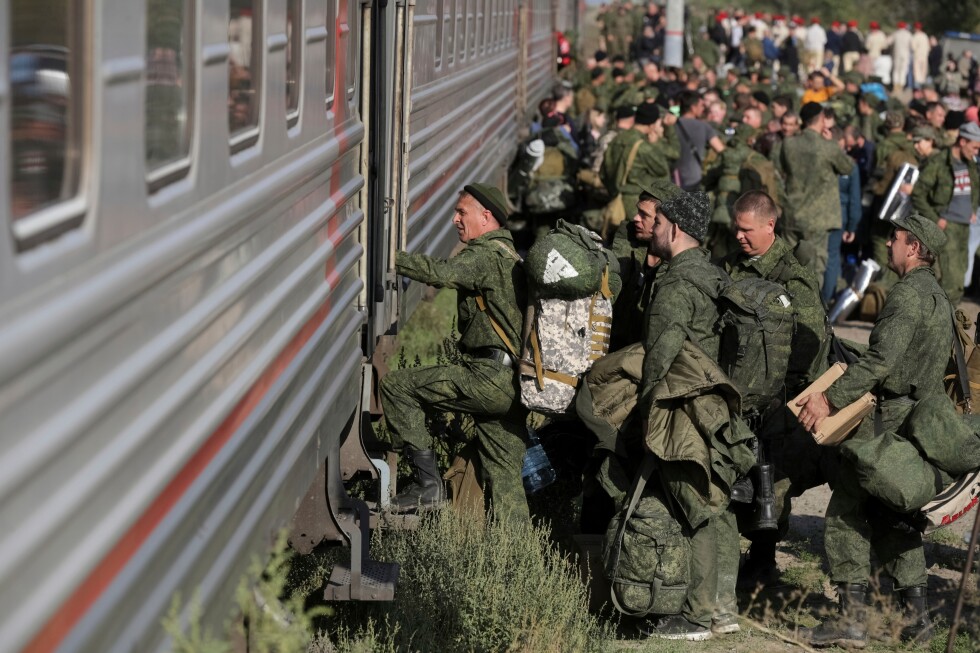
As the conflict approaches its four-year mark, Russia continues to seek new ways to replenish its forces without resorting to another unpopular nationwide mobilization. The recruitment efforts have expanded well beyond Russia’s borders, drawing in both willing and unwitting participants from around the world.
North Korea, after signing a mutual defense treaty with Moscow earlier this year, has sent thousands of soldiers to help Russia defend its Kursk region from Ukrainian incursion. Meanwhile, concerning reports have emerged from South Asian countries including India, Nepal, and Bangladesh, where citizens claim to have been deceived into military service by recruiters promising legitimate employment. Similar complaints have come from Kenya, South Africa, and Iraq.
President Vladimir Putin stated at his annual news conference last month that 700,000 Russian troops are currently fighting in Ukraine – a figure he has consistently maintained since 2023. Independent verification of these numbers remains difficult, as does determining the true toll of military casualties.
The British Defense Ministry estimated last summer that more than one million Russian troops may have been killed or wounded. Meanwhile, the independent Russian news site Mediazona, working with the BBC and volunteers, has documented over 160,000 Russian troop deaths by scouring news reports, social media, and government websites. Their research identified more than 550 foreign fighters from over two dozen countries among the casualties.
Unlike Ukraine, which implemented martial law and nationwide mobilization at the start of the full-scale invasion in February 2022, Putin has avoided ordering another broad call-up. A limited mobilization of 300,000 men in late 2022 triggered an exodus of tens of thousands of Russians fleeing abroad. Although that effort officially ended when the target was reached, Putin’s decree left the door open for future mobilizations and made all military contracts effectively open-ended.
Since then, Moscow has emphasized what it describes as voluntary enlistment. Putin claimed last December that over 400,000 people signed military contracts in 2023 alone – a claim that cannot be independently verified. Similar numbers were announced for previous years.
Activists note that while these contracts often specify fixed terms of service, such as one year, they are automatically extended indefinitely – a detail that many recruits fail to understand when signing up.
Financial incentives play a significant role in recruitment efforts. The Russian government offers substantial pay and benefits to enlistees, with regional authorities providing various bonuses that can amount to tens of thousands of dollars. In the Khanty-Mansi region of central Russia, for example, an enlistee can receive approximately $50,000 in bonuses – more than twice the average annual income in the region, where monthly salaries were reported at just over $1,600 in early 2023.
Additional perks include tax breaks, debt relief, and other benefits designed to attract recruits.
Despite claims of relying on voluntary enlistment, media reports and rights groups indicate that conscripts – men aged 18-30 performing mandatory military service – are often pressured by superiors into signing contracts that send them to Ukraine, despite being officially exempt from combat deployment.
The recruitment drive has also extended to prisons and pretrial detention centers, a practice initially pioneered by the late mercenary chief Yevgeny Prigozhin and subsequently adopted by the Defense Ministry. New laws now explicitly permit recruitment of both convicts and suspects in criminal cases.
Foreign nationals have become increasingly important recruitment targets, both inside Russia and abroad. Legal changes now offer accelerated Russian citizenship for foreign enlistees. Russian media and activists report that immigration raids often lead to migrants being pressured into military service, with new citizens directed to enlistment offices to determine their eligibility.
In November, Putin decreed that military service would be mandatory for certain foreigners seeking permanent residency in Russia.
Human trafficking networks appear to be involved in luring foreigners to Russia with false promises of employment, then coercing them into signing military contracts. Cuban authorities identified and worked to dismantle one such network in 2023.
Nepal’s Foreign Minister Narayan Prakash Saud told The Associated Press in 2023 that his country had requested Russia return hundreds of Nepali nationals recruited to fight in Ukraine, as well as repatriate the remains of those killed. Nepal has since prohibited citizens from traveling to Russia or Ukraine for work.
India’s federal investigation agency reported breaking up a network that lured at least 35 Indian citizens to Russia under the pretense of employment. These individuals were reportedly trained for combat and deployed to Ukraine against their will, with some suffering serious injuries. During Indian Prime Minister Narayan Modi’s visit to Russia in 2023, officials secured an agreement that Indian nationals who were “misled” into joining the Russian military would be discharged.
Iraqi officials estimate about 5,000 of their citizens have joined Russian forces, along with an unspecified number fighting for Ukraine. Baghdad has cracked down on recruitment networks, with one individual convicted of human trafficking and sentenced to life imprisonment last year.
Anton Gorbatsevich from the activist group Idite Lesom (“Get Lost”), which assists military deserters, notes that foreigners duped into fighting are particularly vulnerable due to language barriers, lack of military experience, and being viewed as “dispensable” by commanders.
A Ukrainian agency for prisoner of war treatment recently claimed over 18,000 foreign nationals have fought or are fighting for Russia, with nearly 3,400 killed and hundreds held as POWs. Even if accurate, this represents just a fraction of Putin’s claimed 700,000 troops.
Kateryna Stepanenko, a Russia researcher at the Washington-based Institute for the Study of War, noted that the Kremlin has grown increasingly “creative” in its recruitment efforts over the past two years. However, these initiatives are becoming “extremely expensive” as Russia grapples with a slowing economy – suggesting potential limits to how long such intensive recruitment drives can be sustained.
Fact Checker
Verify the accuracy of this article using The Disinformation Commission analysis and real-time sources.

12 Comments
From an economic standpoint, the cash incentives Russia is offering recruits are likely an attempt to offset the high attrition rates they’ve faced. Throwing money at the problem may help in the short term, but is not a sustainable solution.
That’s a good point. The financial bonuses are probably a Band-Aid on a much deeper issue of unsustainable losses. Unless Russia can find a way to drastically reduce casualties, these recruitment drives will only provide temporary relief.
The reports of North Korean troops being sent to defend Russia’s Kursk region are particularly concerning. Utilizing foreign fighters, especially from authoritarian states, seems like a risky proposition with potential for escalation.
Yes, that’s a concerning development. Drawing in foreign, potentially unwilling participants could backfire and further complicate the conflict. Russia may be grasping at straws to maintain its forces.
The reports of Russian recruiters deceiving citizens from countries like India, Nepal, and Bangladesh are quite alarming. Exploiting economic migrants and the poor for cannon fodder is a deplorable tactic.
Agreed, that’s a very concerning development. Preying on vulnerable populations and luring them into military service under false pretenses is a gross violation of human rights. Russia should be held accountable for these predatory practices.
From a geopolitical perspective, Russia’s expanded recruitment efforts highlight the strain the Ukraine invasion has put on its military. Offering cash bonuses and fast-tracking citizenship is a sign of desperation to sustain their operations.
Definitely. These tactics suggest Russia is struggling to find enough willing and able-bodied recruits domestically. Resorting to questionable practices like targeting vulnerable populations abroad is a risky move with potential for blowback.
Interesting to see Russia get creative with troop recruitment as the conflict drags on. Offering cash incentives and expedited citizenship could help them plug manpower gaps, but raises concerns about predatory tactics targeting vulnerable groups.
Agreed. Russia seems desperate to avoid another unpopular conscription drive, but the reports of deception and coercion are worrying. Transparency and oversight will be crucial to ensure these recruitment efforts are ethical and above-board.
It will be interesting to see how effective these expanded recruitment efforts are for Russia. Tapping into foreign manpower and offering quick citizenship could help, but the reports of deception and coercion are very troubling.
Absolutely. While the cash incentives and fast-tracked citizenship may appeal to some, the ethical issues around how Russia is going about this recruitment drive raise major red flags. The long-term viability and consequences of these tactics remain to be seen.