


Listen to the article
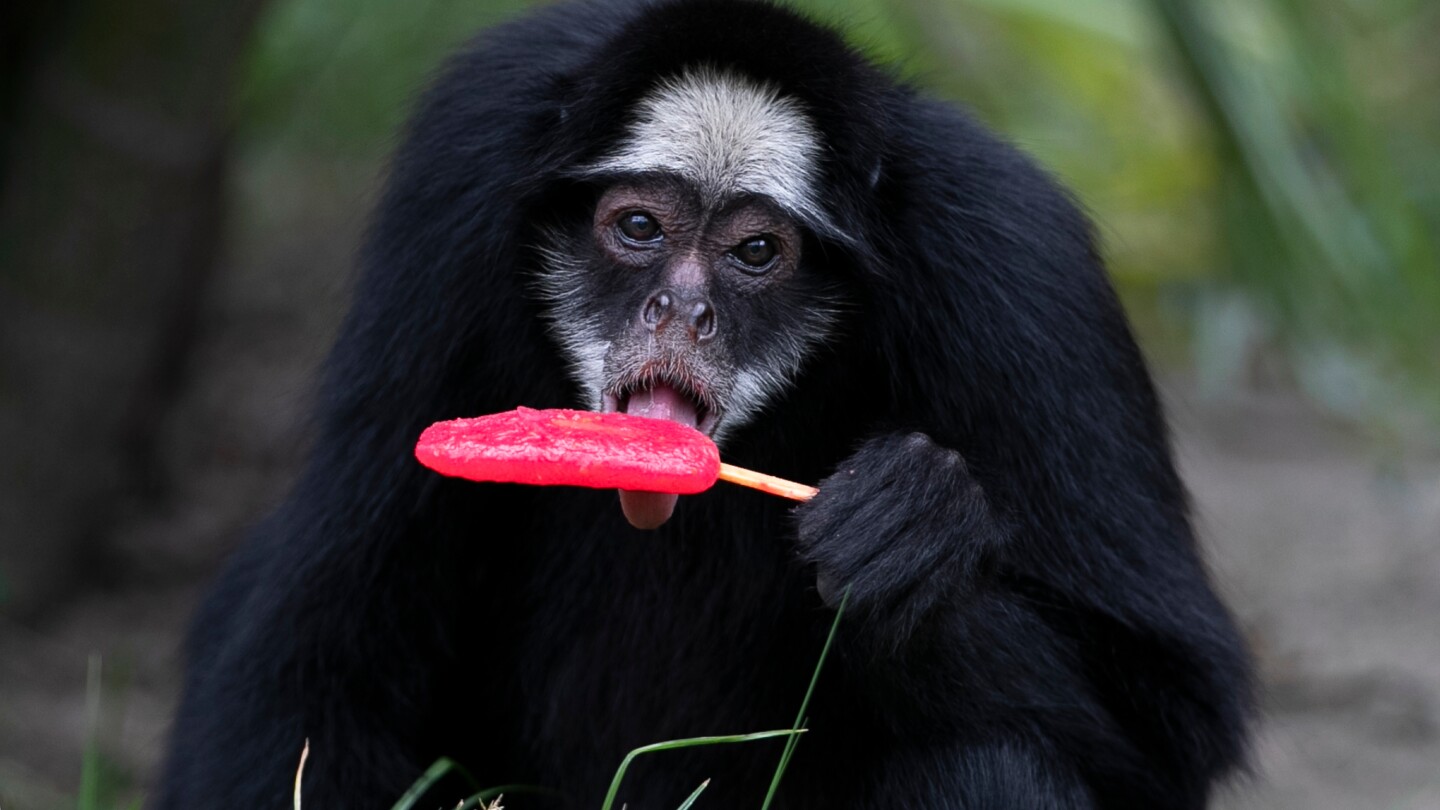
Animals at Rio de Janeiro’s BioParque zoo received special treatment Tuesday as the city continued to struggle with extreme heat during Brazil’s summer season. Zoo staff provided a variety of frozen treats tailored to each species’ dietary needs to help the animals cope with temperatures that have soared above 40 degrees Celsius (104 Fahrenheit).
The creative cooling strategy featured watermelon popsicles for monkeys and frozen blood mixtures for carnivores, according to zoo officials. Visitors watched with delight as the animals enjoyed their icy refreshments throughout the day.
One of the park’s jaguars was observed attempting to fish out ground chicken popsicles from a floating tray in its water enclosure. “When she tries to fish out the frozen food, she ends up ingesting water as well,” explained Letizia Feitoza, a biologist at BioParque. “This is important for her hydration.”
The extreme heat has triggered a Level 3 heat alert from city authorities, who warned residents about health risks associated with prolonged exposure to high temperatures. The alert comes as Brazil’s southeast region experiences another intense summer season, similar to conditions that prompted comparable animal care measures last year.
Despite the sweltering conditions, the innovative approach to animal welfare has become an attraction in itself. “I thought it was really cool,” remarked Lorena Carvalho, a teacher visiting the zoo. “I think it brings them more comfort.”
The frozen treat program represents a thoughtful approach to animal husbandry during increasingly common extreme weather events. Beyond simple enrichment, these interventions address serious health concerns for captive animals that may not have all the natural cooling mechanisms available to them in the wild.
Brazil’s heat waves have grown more frequent and intense in recent years, a trend consistent with climate change projections for the region. Rio de Janeiro, with its tropical climate and urban heat island effect, often experiences particularly challenging summer conditions that affect both humans and animals.
BioParque, formerly known as the Rio Zoo, has undergone significant modernization in recent years to improve animal welfare and conservation efforts. The zoo houses numerous endangered species native to Brazil’s diverse ecosystems, from Atlantic Forest primates to Amazon Basin predators.
For the jaguars—Brazil’s largest native cat and a near-threatened species—the heat presents particular challenges. These magnificent predators typically seek water sources for cooling in their natural habitats, which span from Mexico to northern Argentina. The frozen enrichment activities not only cool the animals but also stimulate natural behaviors like hunting and foraging.
Zoological institutions worldwide have increasingly implemented similar temperature management strategies as climate extremes become more common. These approaches represent an evolution in zoo management philosophy, which now emphasizes natural behaviors and psychological well-being alongside basic physical needs.
The frozen treats program aligns with modern zoo practices that incorporate enrichment—activities designed to stimulate animals mentally and physically—into daily care routines. For visitors, these moments provide educational opportunities to learn about animal behavior and adaptation.
As Rio continues to face high temperatures in the coming days, BioParque staff will maintain their cooling protocols while monitoring animal health closely. The zoo remains a popular destination for both locals and tourists seeking relief from the urban heat, creating an unexpected opportunity for public education about climate adaptation strategies.
The creative approach to animal care during extreme weather underscores the complex challenges facing zoological institutions in a changing climate, where ensuring the comfort and survival of diverse species requires increasingly innovative solutions.
Fact Checker
Verify the accuracy of this article using The Disinformation Commission analysis and real-time sources.

8 Comments
Providing the animals with icy refreshments is a creative way for the zoo to help them cope with the intense heat. It’s heartwarming to see the animals enjoying their special treats, especially the jaguar trying to ‘fish’ out the chicken popsicles.
The zoo’s efforts to hydrate the animals through the popsicles are commendable. Keeping the animals comfortable and healthy during extreme weather is crucial for their wellbeing.
Providing the animals with popsicles and other frozen treats seems like an effective way for the zoo to help them beat the intense heat. It’s impressive how the zoo staff have customized the treats for each species’ dietary requirements. Kudos to the zoo for prioritizing the animals’ comfort and health.
The zoo’s creative cooling strategy using frozen treats is an interesting approach to help the animals cope with the extreme heat. It’s good to see the zoo staff tailoring the popsicles to the specific dietary needs of each species.
Watching the animals enjoy their icy refreshments must have been a delightful sight for the visitors. The zoo’s efforts to ensure the animals’ wellbeing during the scorching summer weather are commendable.
Interesting to see how zoos are adapting to extreme heat to ensure the animals’ wellbeing. Popsicles seem like a clever and humane solution to keep them hydrated and comfortable during the scorching summer weather.
I agree, the variety of frozen treats tailored to each species’ needs is a thoughtful approach. It’s great the zoo is prioritizing the animals’ comfort and health in these challenging conditions.
I’m glad the zoo is taking proactive measures to protect the animals from the scorching temperatures. Popsicles seem like a simple but effective way to help the animals stay cool and hydrated. It’s heartening to see the zoo prioritize the animals’ welfare.