


Listen to the article
Ukraine’s Economic Growth Slashed as Russian Attacks Devastate Energy Infrastructure
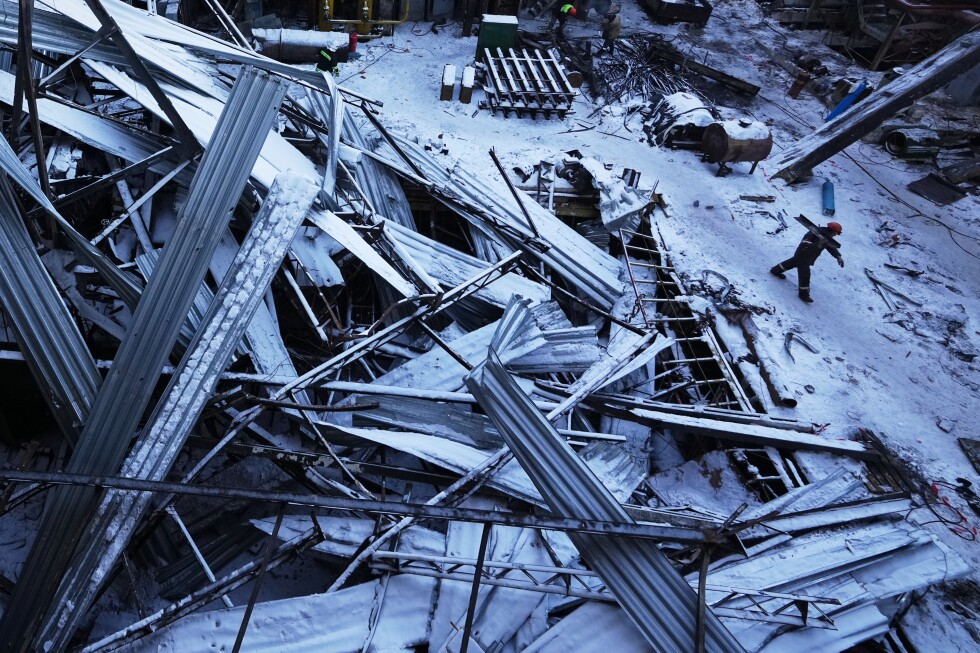
Ukraine’s economic recovery has been severely hampered by Russia’s systematic destruction of vital energy infrastructure, according to a report released Thursday by the European Bank for Reconstruction and Development (EBRD). The international development bank has halved its 2026 growth forecast for Ukraine from 5% to just 2.5% as businesses struggle to operate amid persistent power outages.
The downgraded outlook comes as Ukraine enters the fifth year of Russia’s invasion, with the war’s economic toll extending far beyond immediate battlefield damage. EBRD Chief Economist Beata Javorcik explained that the destruction of critical infrastructure will have lasting consequences.
“That’s impacting Ukraine today, but it will also impact Ukrainian performance next year because it will take time to make the repairs,” Javorcik said. “Typically in winter businesses have been coping with shortages of electricity, but this year the problem was much bigger. If you have a power outage, you can’t produce because you have no electricity.”
The EBRD’s previous forecast had assumed Ukraine would begin some reconstruction activities by 2026, but that timeline has now been pushed to 2027 as peace remains elusive. Russian missile and drone attacks throughout winter left many Ukrainians enduring extended periods without heat or electricity, creating nearly impossible operating conditions for businesses.
Multiple factors beyond energy concerns are weighing on Ukraine’s economic outlook. The country faces significant labor shortages as millions of citizens have fled abroad or joined the military. Poor weather conditions have negatively impacted grain exports, a critical sector for Ukraine’s economy. Additionally, the partial withdrawal of trade privileges with the European Union has added pressure, as the EU reimposed limits on politically sensitive imports like sugar and vegetable oils last year.
The economic damage from the war has been profound. Ukraine lost 29% of its GDP in 2022, the first year of the full-scale invasion, and its economy remains approximately one-fifth smaller than pre-war levels. Consumer and business spending have plummeted due to population displacement and the occupation of major industrial regions by Russian forces.
Ukraine’s government continues to rely heavily on international financial support to maintain basic services. While domestic tax revenue is primarily directed toward military expenses, foreign loans and grants have been critical for paying pensions, healthcare workers, and teachers.
Despite these extraordinary challenges, Javorcik expressed admiration for the resilience of the Ukrainian people. “They deserve a lot of respect for being able to endure this and not lose hope and continue to support their country in the fight,” she noted.
The EBRD has played an active role in supporting Ukraine’s economic survival, funding generator purchases and providing credit guarantees that enable small and medium-sized businesses to access financing. These initiatives have facilitated more than $3 billion in business financing during the war.
Established in 1991 to support the transition to market economies in central and eastern Europe after the Cold War, the London-headquartered EBRD is owned by 77 countries, the European Union, and the European Investment Bank. The organization has since expanded its operations to other regions including Central Asia, the western Balkans, and parts of sub-Saharan Africa.
The Ukraine estimate was included in the EBRD’s broader growth forecast for economies across these regions, highlighting the ripple effects of the conflict on international economic stability. As the war continues with no clear end in sight, Ukraine’s path to economic recovery remains highly uncertain and dependent on both military developments and international support.
Fact Checker
Verify the accuracy of this article using The Disinformation Commission analysis and real-time sources.

10 Comments
It’s disheartening to see Russia’s relentless campaign to cripple Ukraine’s infrastructure and undermine its economic progress. Systematic attacks on energy facilities are a cruel tactic that harms innocent civilians and businesses. Ukraine will need significant international support to rebuild and recover.
You’re right, this is a deliberate attempt by Russia to inflict maximum pain on the Ukrainian people. The scale of the reconstruction challenge is daunting, but Ukraine’s determination and global solidarity will be key to overcoming these setbacks.
This is a concerning report on the severe impact of Russia’s attacks on Ukraine’s energy infrastructure. It’s clear the economic toll will be substantial and long-lasting, as the country struggles to restore critical systems ahead of winter. Rebuilding these vital assets will be crucial for Ukraine’s recovery.
Absolutely, the damage to Ukraine’s energy network will have ripple effects across the economy for years to come. Restoring power and heating capacity has to be an urgent priority.
This report highlights the cascading economic impact of Russia’s campaign to systematically destroy Ukraine’s energy network. The disruption to power and heating will have ripple effects across all sectors, hampering the country’s recovery. Restoring these vital assets must be an urgent focus for the Ukrainian government and international partners.
Absolutely, the economic toll will be severe and long-lasting. Ukraine will need significant financial and technical assistance to rebuild its energy infrastructure and get the economy back on track.
The downgraded growth forecast for Ukraine is a sobering reminder of the real-world consequences of this conflict. Protecting critical infrastructure should be a top priority, as consistent power and heating are essential for businesses and households to function. Rebuilding will be crucial, but also difficult given the ongoing attacks.
Russia’s relentless attacks on Ukraine’s energy grid are a cynical attempt to inflict maximum hardship on the civilian population. Disrupting power and heating will cripple businesses and households, undermining the country’s economic recovery. Ukraine faces a daunting challenge in restoring critical infrastructure under these conditions.
This report underscores the devastating impact of Russia’s systematic strikes on Ukraine’s energy network. The downgraded growth forecast is a stark reminder of the real-world consequences for the Ukrainian people and economy. Rebuilding these vital systems will be crucial, but also incredibly difficult given the ongoing conflict.
You’re right, the scale of the reconstruction task is immense. Ukraine will require substantial international support and coordination to restore its energy capacity and get the economy back on a sustainable growth trajectory.