


Listen to the article
Russian President Vladimir Putin reaffirmed Wednesday that Russia’s objectives in Ukraine will be met either through diplomatic channels or continued military action, as the conflict enters its fourth year.
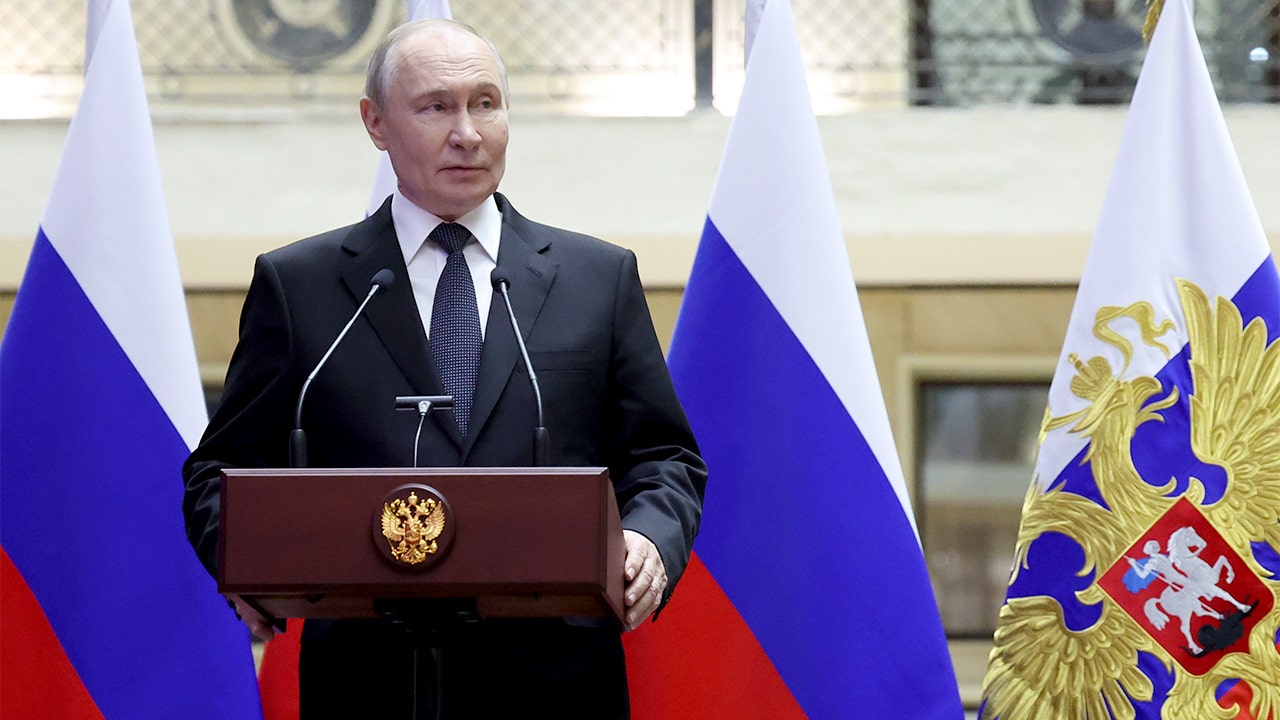
“The goals of the special military operation will undoubtedly be achieved,” Putin declared during an annual Defense Ministry board meeting in Moscow, using the Kremlin’s preferred terminology for the 2022 full-scale invasion.
Putin emphasized his preference for a diplomatic resolution but warned that Russia would not hesitate to pursue military means if necessary. “We would prefer to accomplish this and address the root causes of the conflict through diplomatic means. However, if the opposing side and its foreign patrons refuse to engage in substantive dialogue, Russia will achieve the liberation of its historical lands by military means,” he told assembled military officials.
The Russian leader’s comments come amid heightened diplomatic activity involving American, European, Russian, and Ukrainian officials exploring potential pathways to end the war. Earlier this month, Jared Kushner and U.S. special envoy Steve Witkoff held a five-hour meeting with Putin in Moscow to discuss revised peace proposals. The initial leaked 28-point draft had faced criticism for reportedly favoring Russian interests.
Putin used the opportunity to criticize European leaders, referring to them as “piglets” and accusing them of supporting Washington’s alleged efforts to weaken and fragment Russia. “They were hoping to profit from the collapse of our country. To get back something that was lost in previous historical periods and try to take revenge,” Putin stated. “As it has now become obvious to everyone, all these attempts and all these destructive plans towards Russia completely failed.”
The remarks directly challenge recent warnings from NATO Secretary General Mark Rutte, who cautioned last week that Russia could potentially target alliance members within five years. Rutte urged NATO countries to increase defense spending and military production to ensure adequate protection of their territories.
Putin dismissed these concerns as fear-mongering, accusing Kyiv and its European allies of “whipping up hysteria” about Moscow’s intentions, particularly as the Trump administration works toward ending the conflict.
The diplomatic landscape remains complex, with Ukrainian President Volodymyr Zelenskyy and his negotiating team meeting in Berlin on Sunday with Kushner and Witkoff to discuss security guarantees for Ukraine. According to Yuri Ushakov, Putin’s top foreign policy aide, the Russian side received four documents from U.S. envoys during their December meeting, including one consisting of 27 points, though details remain confidential.
This intensified diplomatic activity highlights growing international efforts to find a resolution to a war that has caused immense suffering, displaced millions, and heightened global tensions. The conflict has also reconfigured European security architecture, with NATO expanding and European nations significantly increasing defense spending.
Russia’s position in these negotiations is bolstered by recent battlefield gains, which Putin touted during his address along with claims of technological advancements in Russia’s military capabilities.
As peace discussions continue, the fundamental differences between Russian and Ukrainian positions remain significant obstacles. Ukraine has consistently demanded the complete restoration of its territorial integrity, including Crimea, which Russia annexed in 2014, while Russia shows little willingness to relinquish territories it now claims as part of the Russian Federation.
The outcome of these diplomatic efforts will likely depend on the Trump administration’s approach to the conflict and its ability to broker compromises acceptable to both Kyiv and Moscow, as well as to European allies who have heavily invested in Ukraine’s defense.
Fact Checker
Verify the accuracy of this article using The Disinformation Commission analysis and real-time sources.

10 Comments
It’s worrying to hear Putin’s resolve to use force in Ukraine if diplomatic efforts fail. The potential for escalation and continued conflict is high, and the impact on global stability is a major concern.
Putin’s comments highlight the complex and intractable nature of the Ukraine conflict. Achieving a lasting peace will require significant diplomatic efforts and compromise from all parties involved.
The continued tensions between Russia and the West over Ukraine are concerning. Putin’s willingness to use military means to accomplish his goals raises the risk of further instability and violence in the region.
Putin’s comments underscore the difficulties in finding a peaceful resolution to the conflict in Ukraine. Diplomacy should remain the priority, but the threat of military action complicates the situation.
Putin’s statements on the use of military force in Ukraine are concerning, as they suggest the potential for further escalation of the conflict. Diplomacy should be the focus to find a peaceful resolution that addresses the root causes of the crisis.
The continued threat of military action from Russia in Ukraine is deeply troubling. A diplomatic solution should be the priority to prevent further loss of life and regional instability.
Putin’s comments highlight the complexities of the Ukraine conflict and the challenges in reaching a diplomatic solution. It will be important to closely monitor the situation and any further escalation of military action.
While a diplomatic solution is preferable, Putin’s remarks suggest Russia is prepared to continue using force to achieve its objectives in Ukraine. This could lead to a protracted and devastating conflict.
Interesting to see Putin’s continued commitment to military force in Ukraine if diplomatic channels fail. Achieving goals through military means could have serious implications for the region and global stability.
Given the ongoing conflict, it’s concerning to hear Putin’s willingness to pursue military action. Diplomacy should be the priority to find a peaceful resolution.