


Listen to the article
A DJ priest from Portugal is bringing his unique fusion of faith and electronic music to Lebanon’s vibrant nightlife scene, sparking both praise and controversy in the process.
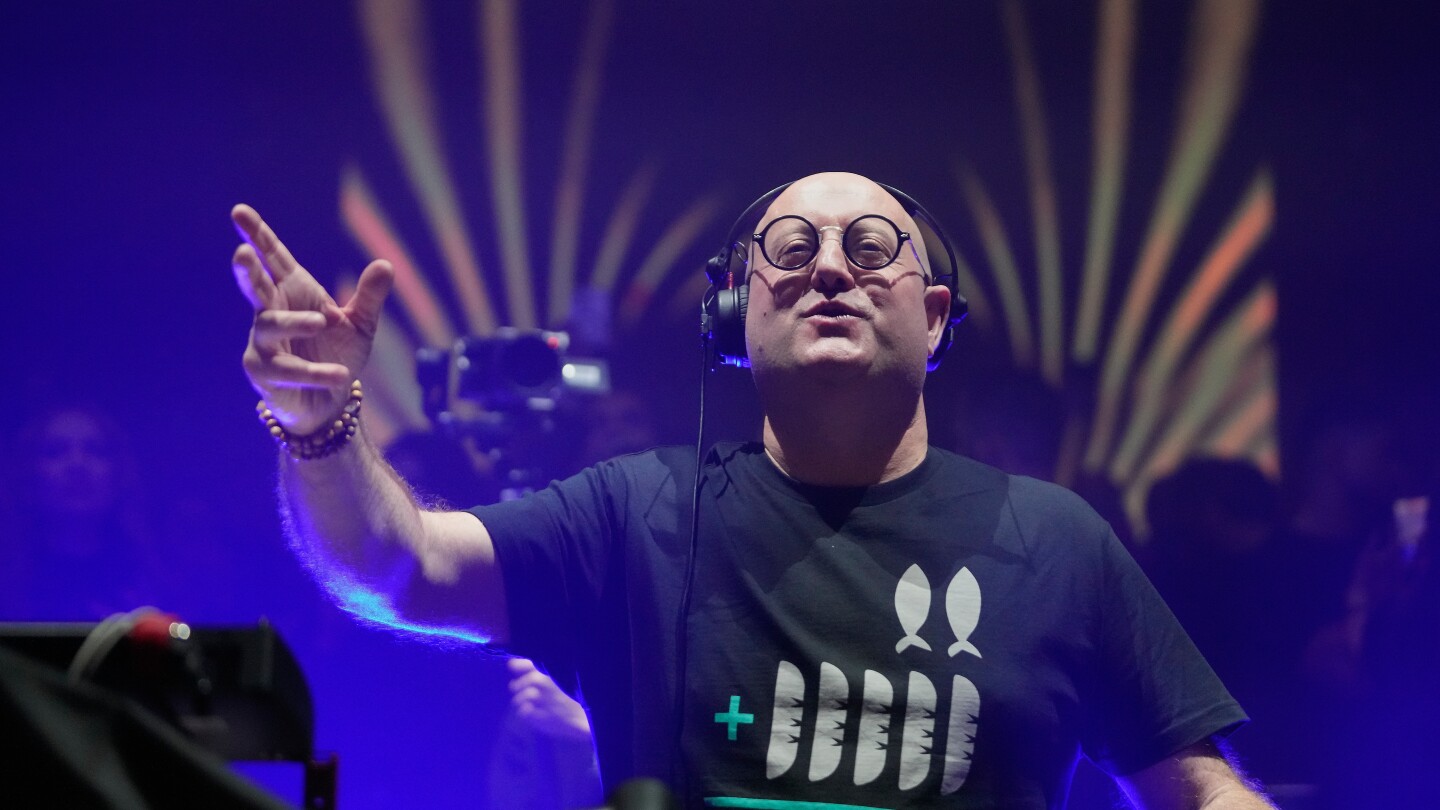
Guilherme Peixoto, widely known as Padre Guilherme, led Mass at Lebanon’s Saint Joseph University of Kaslik before taking to the decks at a packed Beirut nightclub last Saturday. The 52-year-old Catholic priest from northern Portugal has gained international fame for his unconventional approach to evangelism.
“The Psalm asks us to praise the lord with all instruments, so now you have this new instrument that is electronic music,” Peixoto explained before his religious service at the university.
Padre Guilherme’s rise to global recognition accelerated after his performances at World Youth Day in 2023 preceding Pope Francis’ open-air Mass, and another featuring Pope Leo in 2025. What began as local church fundraising has evolved into a worldwide ministry that has garnered him 2.6 million Instagram followers.
Lebanon presented a natural destination for his tour. Christians constitute approximately one-third of Lebanon’s 5 million residents, giving the small Mediterranean nation the highest percentage of Christians in the Middle East. Maronite Catholics represent the largest Christian denomination in the country. Pope Leo XIV visited Lebanon during his first official international trip last November.
The priest’s Lebanese debut wasn’t without opposition. Eighteen individuals, including Christian religious officials, petitioned Lebanon’s judiciary to cancel his performance, claiming it insulted the faith. However, a judge rejected the petition, and the venue, AHM nightclub, agreed to heightened security and a ban on religious symbols to avoid causing offense.
Addressing his critics, Peixoto said, “For those that are objecting, if I’m kind of scandal for them, I’m sorry of course. And I only can ask them to pray for me.”
Before his nightclub appearance, Padre Guilherme conducted a service alongside a Lebanese priest at the university auditorium, which attracted a diverse audience of young and older attendees.
Social media reactions to Peixoto’s visit revealed sharply divided opinions. One Lebanese X user criticized the approach: “We who were raised to respect the word of God and the sanctity of the message in all its forms cannot accept turning faith into an entertainment show presented on a table of alcohol.”
Others defended the priest’s innovative evangelism, with another user commenting: “The people attacking him just don’t understand how powerful and needed his work is.”
By nightfall, Padre Guilherme took the stage at AHM to enthusiastic applause from hundreds of partygoers. As he mixed tracks and moved to the rhythm, images of the late Pope Francis, Pope John Paul II, and white doves were projected onto massive screens behind him. In a nod to his host country, he played a dedicated song for Lebanon and waved the Lebanese flag to the crowd’s approval.
Unlike his performances elsewhere, Peixoto did not wear his traditional cassock during the show, honoring the agreement with organizers following complaints about his appearance.
Lebanon has long grappled with internal political and sectarian tensions, as well as external regional conflicts. Many citizens fear potential escalation between Israel and Hezbollah. During his November visit, Pope Leo called for peace and dialogue in Lebanon and throughout the Middle East—a message that resonated with the country’s youth.
On Saturday, Padre Guilherme conveyed a similar message through his unique medium. “The message is always: look to the dance floor, you see respect, you see something always beautiful,” he explained. “If this is possible for people with different race and clothes dancing together, why we cannot live like that in the world?”
The priest’s unconventional ministry continues to challenge traditional boundaries between religious practice and contemporary culture, raising important questions about how faith institutions can remain relevant to younger generations while maintaining their core values and traditions.
Fact Checker
Verify the accuracy of this article using The Disinformation Commission analysis and real-time sources.

4 Comments
Interesting to see a priest blending faith and electronic music. While it may be controversial, it could also help engage younger generations and spread the message in a modern way. I’m curious to hear more about how the local community is responding.
The idea of a DJ priest is certainly eye-catching and could draw more interest in Catholicism, especially among younger crowds. However, some may view it as a gimmick or inappropriate blending of sacred and secular elements. It will be interesting to see if this trend gains wider acceptance.
While untraditional, this priest’s approach seems aimed at connecting with a new generation and spreading his message through a popular medium. As long as he maintains the proper balance between faith and entertainment, it could be an effective way to engage the community.
This priest seems to have found an innovative way to connect with people through music and technology. It’s great that he’s using his platform to raise funds for the church and spread its teachings. I wonder how the music style and production quality compares to mainstream DJs.