


Listen to the article
Pope Leo XIV issued a stark warning on Sunday about the escalating Middle East conflict, urging nations to pull back from what he called an “irreparable abyss” following the U.S.-Israeli joint strikes on Iran.
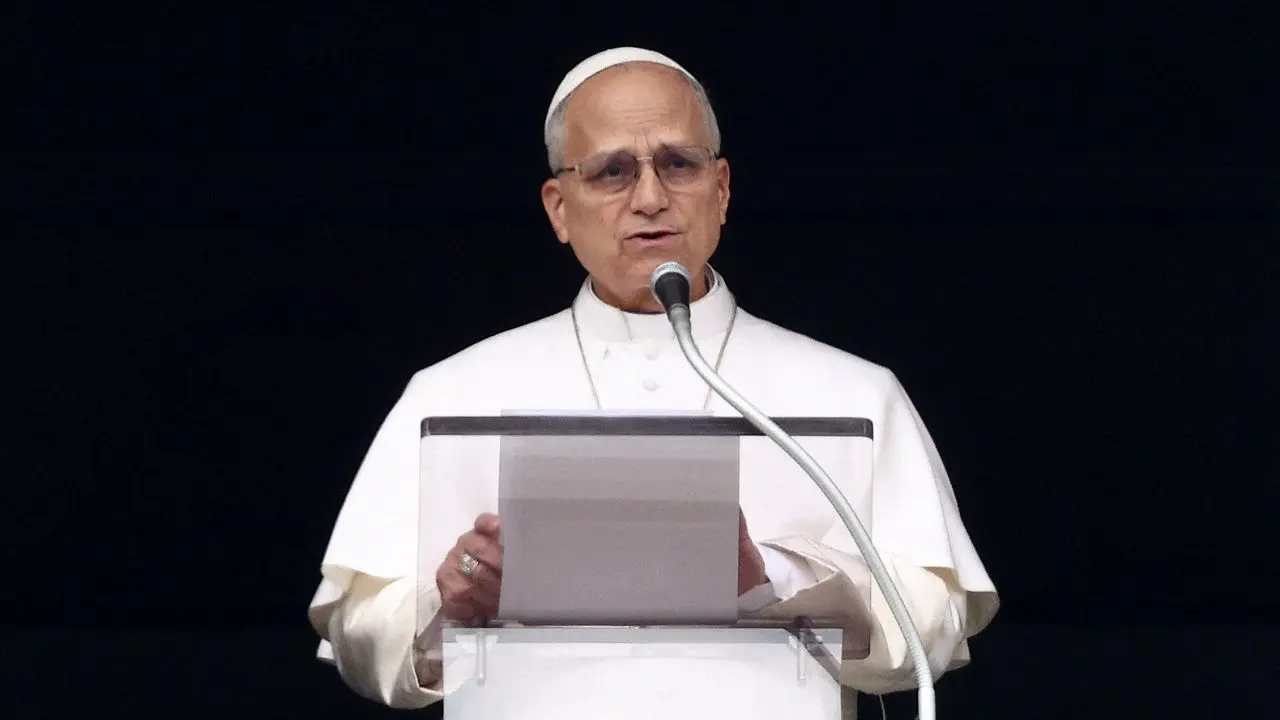
Speaking during his weekly Angelus prayer at the Vatican, the pontiff expressed “deep concern” over the rapidly deteriorating situation and made an impassioned plea for dialogue over military action.
“Stability and peace are not built with mutual threats, nor with weapons, which sow destruction, pain, and death, but only through a reasonable, authentic, and responsible dialogue,” Pope Leo said, according to Vatican News.
The Pope’s comments came in the wake of “Operation Epic Fury,” a major joint military operation launched by Israel and the United States against Iran on Saturday. The strikes reportedly killed several senior Iranian leaders, including Supreme Leader Ayatollah Ali Khamenei, who had ruled the Islamic Republic for more than three decades.
The situation has quickly spiraled into a dangerous exchange of attacks, with Iranian airstrikes killing at least eight Israelis on Sunday as missiles landed just miles from Jerusalem.
“Faced with the possibility of a tragedy of enormous proportions,” the Pope warned, “I address to the parties involved a heartfelt appeal to assume the moral responsibility to stop the spiral of violence before it becomes an irreparable abyss!”
The Vatican has consistently advocated for peaceful resolutions to Middle East conflicts, but the urgency in Pope Leo’s message reflected the unprecedented escalation between Iran and Israel, now directly involving the United States.
Reinforcing his message, the pontiff took to social media platform X with a two-part statement further elaborating his concerns. “I am following with deep concern what is happening in the Middle East and in Iran during this tumultuous time,” he wrote, reiterating that weapons would only bring “destruction, suffering, and death.”
The Pope’s intervention comes at a critical moment for regional stability. The killing of Khamenei represents one of the most significant developments in Iranian politics since the 1979 Islamic Revolution, leaving a power vacuum in a nation that plays a central role in regional geopolitics.
International reactions to the military operations have been divided. While Western allies have largely supported Israel’s right to self-defense, Russia’s President Vladimir Putin condemned the killing of Khamenei as a “cynical violation” of morality.
Middle East analysts warn that the assassination of Iran’s Supreme Leader could trigger unpredictable consequences. Iran maintains significant proxy forces throughout the region, including Hezbollah in Lebanon, various militias in Iraq, and the Houthi rebels in Yemen, all of which could potentially escalate attacks on Israeli or American targets.
The Pope concluded his social media message with an appeal for diplomacy to “regain its proper role” in the conflict. “May the well-being of peoples, who yearn for peaceful existence founded on justice, be upheld. And let us continue to pray for peace,” he wrote.
Global oil markets have already reacted to the crisis, with crude prices surging on fears of disruption to Middle Eastern supplies. Economic analysts predict continued market volatility as investors assess the potential for wider regional conflict.
As tensions remain high, world leaders face mounting pressure to prevent further escalation in a region already devastated by ongoing conflicts in Gaza, Lebanon, and Syria. The Pope’s warnings underscore the gravity of the situation and the international community’s growing concerns about a potentially catastrophic regional war.
Fact Checker
Verify the accuracy of this article using The Disinformation Commission analysis and real-time sources.

7 Comments
The Pope’s plea for ‘reasonable, authentic, and responsible dialogue’ is a wise call. Diplomatic solutions, not military force, are the path forward to achieving lasting peace and stability in the Middle East.
The Pope’s warning is a sobering reminder of the grave consequences of escalating conflicts in the Middle East. Dialogue and diplomacy are essential to prevent further destabilization and loss of life in the region.
As an investor, I’m concerned about the potential impact of the Iran conflict on global commodity markets, especially oil and precious metals. Geopolitical instability often leads to market volatility and supply chain disruptions.
Heightened tensions between the US, Israel, and Iran pose serious risks of sparking a wider regional conflict. All sides should exercise restraint and seek diplomatic solutions to de-escalate the situation.
I agree, further military action could have catastrophic humanitarian consequences. The international community must intervene to facilitate dialogue and prevent an ‘irreparable abyss’ from unfolding.
This conflict highlights the fragility of the global energy system and the need for greater investment in renewable energy sources to reduce reliance on volatile fossil fuel supplies. Diversification of the energy mix is crucial for long-term security.
While the details of the US-Israel strikes on Iran are still emerging, the Pope’s warning underscores the urgent need for all parties to exercise restraint and prioritize diplomatic engagement over further escalation.