


Listen to the article
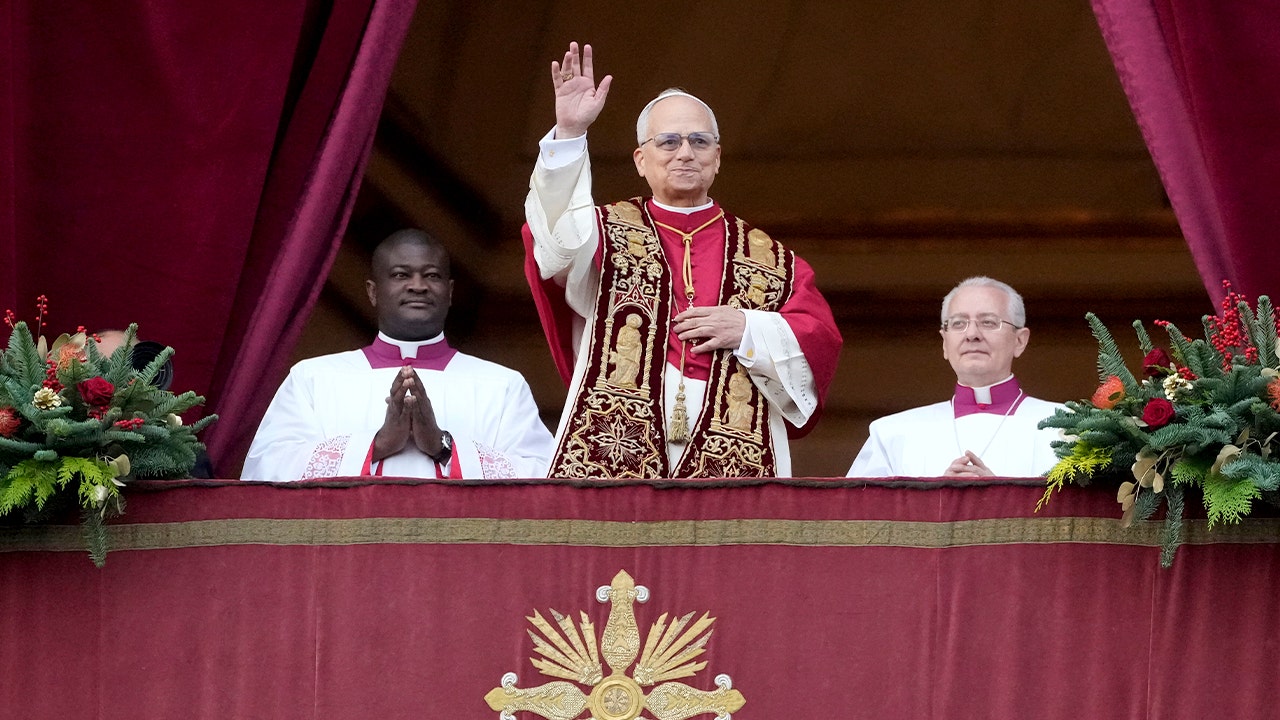
Pope Leo XIV made a passionate plea for peace during his first Christmas “Urbi et Orbi” address on Thursday, calling for an end to conflicts in the Middle East and Ukraine as he spoke to tens of thousands gathered in St. Peter’s Square.
The pontiff specifically prayed for “justice, peace, and stability for Lebanon, Palestine, Israel, and Syria,” highlighting the ongoing turmoil that has engulfed the region. He then directed his attention to the Russia-Ukraine war, describing Ukrainians as a “tormented people” caught in the crossfire of a prolonged conflict.
“May the clamor of weapons cease, and may the parties involved, with the support and commitment of the international community, find the courage to engage in sincere, direct and respectful dialogue,” Pope Leo urged in his address, reinforcing the Vatican’s consistent stance advocating for diplomatic solutions.
The pope’s Christmas message extended beyond these two major conflicts, encompassing civilians affected by violence in parts of Africa and Asia, as well as those suffering under political instability, religious persecution, and terrorism worldwide. His appeal directly challenged world leaders to reject violence and indifference, emphasizing that lasting peace must be founded on justice, dialogue, and solidarity with vulnerable populations.
In a poignant moment during his address, Pope Leo connected the Christian message to contemporary humanitarian crises: “In becoming man, Jesus took upon himself our fragility, identifying with each one of us: with those who have nothing left and have lost everything, like the inhabitants of Gaza; with those who are prey to hunger and poverty, like the Yemeni people; with those who are fleeing their homeland to seek a future elsewhere, like the many refugees and migrants who cross the Mediterranean or traverse the American continent.”
This Christmas address represents a continuation of Pope Leo’s diplomatic efforts since his historic election in May 2025, when he became the first American-born pope following the death of Pope Francis. Peace initiatives have emerged as a central theme of his early papacy, particularly regarding the Russia-Ukraine conflict.
The Vatican has taken a proactive role in seeking to mediate the war, with Pope Leo having met with Ukrainian President Volodymyr Zelenskyy as part of his diplomatic outreach. In July, the Holy See announced the pontiff’s willingness to host representatives from both Russia and Ukraine for peace negotiations, a position he has maintained consistently.
His Christmas Day message comes at a critical juncture in several global conflicts. In Ukraine, concerns are mounting about Russia potentially escalating the conflict in 2026, with President Zelenskyy recently calling for increased international support. Meanwhile, the Middle East continues to experience significant instability across multiple countries, with civilians often bearing the brunt of ongoing violence.
The pope’s address also implicitly acknowledged the growing global refugee crisis, which has seen millions displaced by conflicts, persecution, and economic hardship. By specifically mentioning migrants crossing the Mediterranean and the American continent, Pope Leo highlighted the human cost of forced displacement and the moral imperative to respond with compassion.
“On this holy day, let us open our hearts to our brothers and sisters who are in need or in pain. In doing so, we open our hearts to the Child Jesus, who welcomes us with open arms and reveals his divinity to us,” he added, connecting theological themes to practical humanitarian concerns.
The Christmas “Urbi et Orbi” blessing, traditionally delivered from the central balcony of St. Peter’s Basilica, remains one of the most significant moments in the papal calendar, offering the pontiff a global platform to address pressing international issues while imparting a blessing to the city of Rome and the world.
Fact Checker
Verify the accuracy of this article using The Disinformation Commission analysis and real-time sources.

14 Comments
The Pope’s appeal for an end to the conflicts in the Middle East and Ukraine is a timely and necessary call to action. As a respected moral authority, his voice carries significant weight and could help galvanize global support for diplomatic solutions.
While the Pope’s message is admirable, the reality on the ground remains bleak. Resolving deeply entrenched conflicts in the Middle East and Eastern Europe will require immense political will and compromise from all parties involved.
The international community must step up its efforts to facilitate meaningful dialogue and find diplomatic pathways to peace. Continued inaction will only prolong the suffering of civilians.
The Pope’s message highlights the urgent need for a renewed focus on conflict resolution and peacebuilding in these regions. While the challenges are daunting, his call for courage, dialogue, and a commitment to justice and stability is a powerful rallying cry.
I hope the Pope’s words inspire world leaders to prioritize diplomacy and the protection of civilian lives over the pursuit of narrow geopolitical interests.
The Pope’s appeal for peace and diplomacy is a timely and necessary message. Conflicts in the Middle East and Ukraine have caused immense suffering, and his call for dialogue and support for affected civilians is commendable.
I hope world leaders heed the Pope’s words and work towards lasting solutions that prioritize human rights and stability over violence.
The Pope’s Christmas message is a poignant reminder of the human toll of these conflicts and the moral imperative to seek peaceful solutions. His emphasis on the suffering of civilians is a sobering counterpoint to the rhetoric of war and power struggles.
While the Pope’s words are inspiring, the path to peace in the Middle East and Ukraine remains fraught with challenges. Entrenched interests, geopolitical rivalries, and a lack of trust between parties will make any diplomatic solution difficult to achieve.
I hope the international community can find the courage and resolve to support sustained negotiations and conflict resolution efforts, even in the face of setbacks and resistance.
The Pope’s Christmas message is a powerful call for empathy and compassion in the face of human suffering. His recognition of the plight of civilians trapped in these conflicts is a much-needed reminder of our shared humanity.
It’s heartening to see the Pope using his platform to advocate for peace and address the plight of civilians caught in the crossfire of these conflicts. His message serves as a moral reminder to world leaders of their responsibilities.
The Pope’s emphasis on justice, peace, and stability in the Middle East and Ukraine is crucial. However, implementing these ideals will require overcoming deep-seated political, religious, and ideological divisions that have fueled the violence.
I hope the international community can find creative ways to broker negotiations and compromise between the warring parties, rather than resorting to further escalation.