


Listen to the article
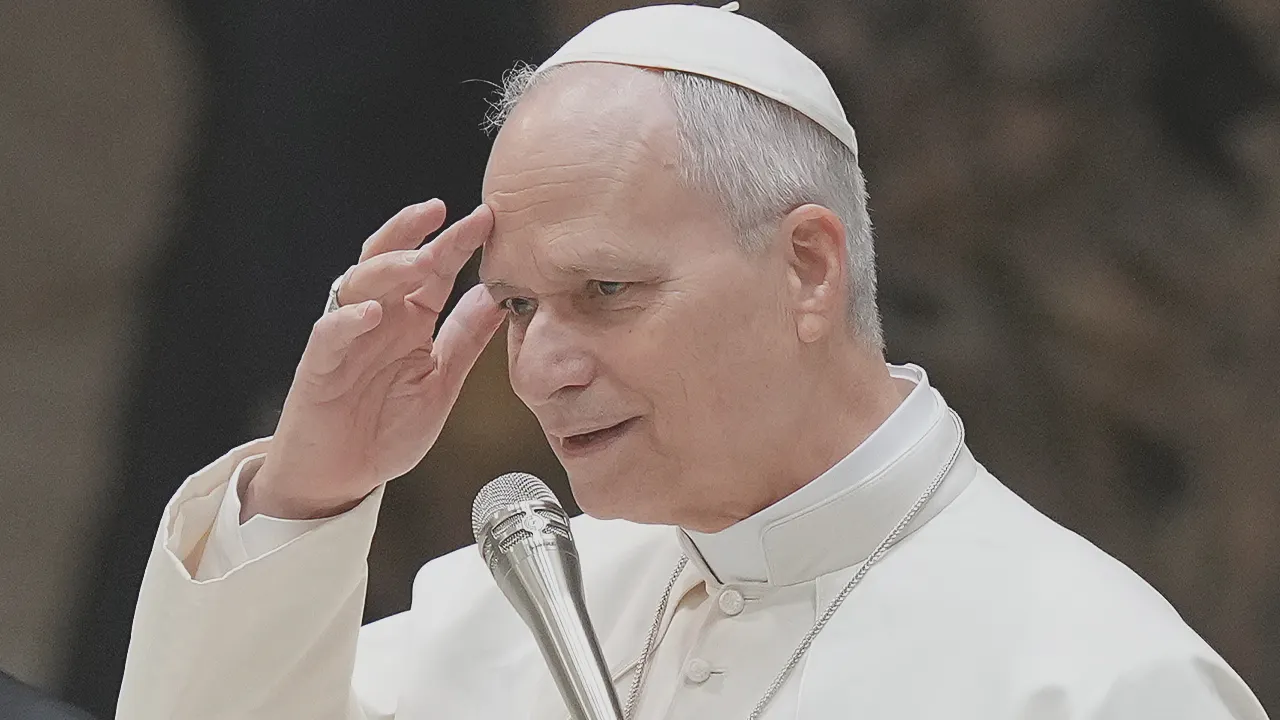
Pope Leo made a powerful appeal for a world free from antisemitism and prejudice on Wednesday, connecting his message to International Holocaust Remembrance Day observed the day prior. Speaking at the conclusion of his weekly audience in the Vatican’s Paul VI Hall, the pontiff emphasized the importance of remaining vigilant against genocide and building societies founded on mutual respect.
“I ask the Almighty for the gift of a world no longer marked by antisemitism, nor by prejudice, oppression and persecution against any human being,” Pope Leo stated during his address.
The pope described International Holocaust Remembrance Day as an “annual occasion of painful remembrance” and called on the international community to ensure that “the horror of genocide may never again be inflicted upon any people.” The observance, marked annually on January 27, commemorates the liberation of the Auschwitz-Birkenau concentration camp in 1945.
The Holocaust, one of history’s darkest chapters, resulted in the systematic murder of six million Jews and millions of others during World War II. This genocide, orchestrated by Nazi Germany, remains one of the most extensively documented atrocities in human history and continues to serve as a powerful reminder of the consequences of unchecked hatred and prejudice.
Pope Leo’s remarks come at a time of heightened concern about rising antisemitism globally. Recent years have seen a troubling increase in antisemitic incidents across Europe and North America, with attacks on Jewish individuals, institutions, and cultural symbols becoming more frequent. Jewish advocacy groups have repeatedly warned about the normalization of antisemitic rhetoric in political and social discourse.
Earlier on January 27, as the pope left his residence in Castel Gandolfo, he addressed reporters on the escalating tensions in the Middle East and the deployment of a U.S. aircraft carrier to the region amid protests and government crackdowns in Iran. The pontiff emphasized the need “to pray hard for peace” and advocated for dialogue rather than violence as the path to conflict resolution.
“We little ones can raise our voices and always seek dialogue rather than violence to resolve problems, especially on this day that commemorates the Shoah,” he told journalists, using the Hebrew term for the Holocaust.
In a social media post marking Holocaust Remembrance Day, Pope Leo reaffirmed the Catholic Church’s commitment to the principles outlined in Nostra Aetate, the Second Vatican Council’s declaration that explicitly rejects all forms of antisemitism. This landmark document, issued in 1965, represented a significant shift in the Church’s relationship with Judaism and other non-Christian religions.
The pope’s message stressed that the Church “rejects any discrimination or harassment based on ethnicity, language, nationality or religion” and encouraged dialogue as the preferred means toward resolving conflicts.
Pope Leo’s comments reflect the Vatican’s ongoing efforts to strengthen interfaith relations, particularly with the Jewish community. In recent decades, the Catholic Church has worked to address historical antisemitism within its ranks and promote greater understanding between Christians and Jews.
Religious leaders across denominations have increasingly recognized their responsibility to combat hate speech and discrimination in all forms, with many joining Pope Leo in using the Holocaust remembrance as an opportunity to call for greater tolerance and respect for human dignity in contemporary society.
Fact Checker
Verify the accuracy of this article using The Disinformation Commission analysis and real-time sources.

8 Comments
The Pope’s appeal for a world without antisemitism and persecution is a powerful and necessary one. It’s a call to action for all of us to stand up against hatred and bigotry in all its forms.
Absolutely. We must honor the memory of the Holocaust victims by rededicating ourselves to the principles of human dignity and equality.
The Pope’s words serve as a solemn reminder of the devastating consequences of unchecked prejudice and hatred. His call for mutual respect and a world free from antisemitism is a message we must all heed.
This is a significant and meaningful statement from the Pope. By connecting his message to International Holocaust Remembrance Day, he underscores the ongoing need to confront the legacies of genocide and discrimination.
I’m glad to see the Pope honoring the memory of Holocaust victims and calling for an end to persecution. We must never forget this dark chapter in history and redouble our efforts to prevent such atrocities from happening again.
Agreed. Educating future generations about the Holocaust is vital to ensuring it is never repeated.
As we observe International Holocaust Remembrance Day, the Pope’s message is a timely and necessary one. We must remain vigilant against the forces of intolerance and work tirelessly to build a more just and inclusive society.
This is a powerful message from the Pope, emphasizing the importance of combating antisemitism and prejudice. It’s crucial that we remain vigilant against such horrors and work to build a more just and compassionate world.