


Listen to the article
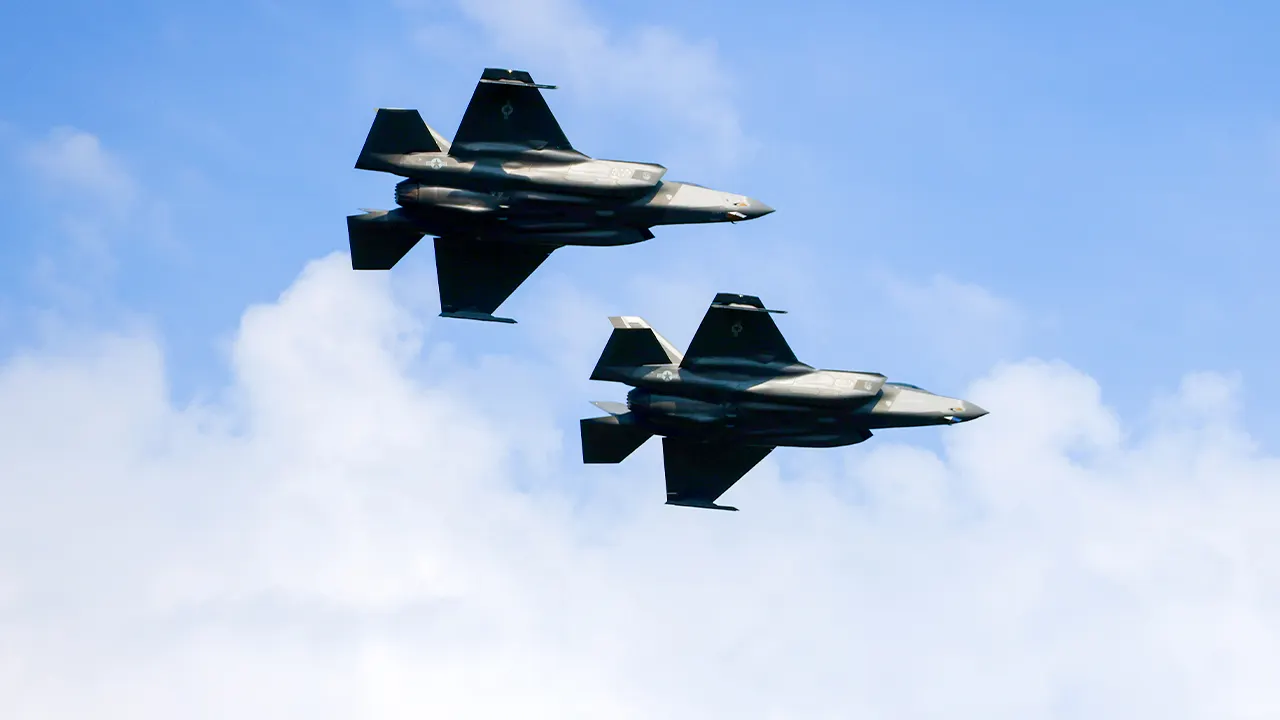
Poland scrambled fighter jets on Thursday after detecting a Russian reconnaissance aircraft operating near its airspace over the Baltic Sea, military authorities confirmed. The Polish Operational Command reported that the aircraft was intercepted and escorted away after being identified over international waters.
The incident was one of several border security events reported by Polish authorities in recent days. Overnight, officials also observed objects entering Polish airspace from neighboring Belarus. After detailed analysis, these were determined to be “most likely smuggling balloons, moving in accordance with the direction and speed of the wind,” according to a statement released by the Operational Command.
“The flight of all objects was continuously monitored by radar systems. To ensure safety, a portion of the airspace over the Podlaskie Voivodeship was temporarily closed to civilian traffic,” the statement added. Polish authorities stressed that no immediate threat to Poland’s airspace was detected during these incidents.
This latest incursion comes during a period of heightened tensions along NATO’s eastern flank. Just days earlier, Polish aircraft were scrambled on Tuesday as Russia conducted widespread strikes against Ukraine’s energy and civilian infrastructure. The Polish response included support from NATO allies, with Spanish aircraft assisting in air policing and Dutch forces providing air defense systems support.
The frequency of these aerial incidents has increased as Russia continues its aggressive posture toward Ukraine and NATO countries. Poland, which shares a border with both Belarus and Ukraine, has been particularly vigilant about monitoring potential airspace violations given its strategic position as a NATO frontline state.
Ukrainian President Volodymyr Zelenskyy reported that Russia launched more than 650 drones and over 30 missiles two days before Christmas, targeting Kyiv’s energy sector and civilian infrastructure. The attacks resulted in several civilian casualties, including a woman in the Kyiv region, a person in the Khmelnytskyi region, and a four-year-old child in Zhytomyr who was killed when a Russian drone struck a residential building.
“This Russian strike sends an extremely clear signal about Russia’s priorities. An attack ahead of Christmas, when people simply want to be with their families, at home, and safe. An attack carried out essentially in the midst of negotiations aimed at ending this war,” Zelenskyy said.
The Ukrainian president emphasized that these actions demonstrate Russia’s continued aggression despite ongoing peace efforts. “Putin still cannot accept that he must stop killing. And that means that the world is not putting enough pressure on Russia. Now is the time to respond. Russia must be pushed toward peace and guaranteed security,” he added.
Military analysts note that Russia’s reconnaissance flights near NATO borders often serve multiple purposes: gathering intelligence, testing response times of neighboring countries’ air forces, and demonstrating military presence. These activities have become more common since the beginning of Russia’s full-scale invasion of Ukraine in 2022.
NATO has consistently warned about the potential for further Russian aggression. Recent intelligence assessments from Germany have suggested Russia could potentially attack NATO member states by 2029, adding to growing concerns about long-term security in Eastern Europe.
Poland has responded to these threats by strengthening its military capabilities. The country has been modernizing its armed forces, increasing defense spending, and hosting allied troops as part of NATO’s enhanced Forward Presence.
For civilians in the affected areas, these incidents serve as a stark reminder of the ongoing security challenges along NATO’s eastern border. Local authorities have established protocols for temporary airspace closures when necessary, prioritizing civilian safety during potential incursions.
As tensions persist, military cooperation among NATO allies remains crucial to maintaining security in the region. The alliance’s coordinated response to these incidents demonstrates its commitment to collective defense and deterrence along its eastern flank.
Fact Checker
Verify the accuracy of this article using The Disinformation Commission analysis and real-time sources.

19 Comments
Uranium names keep pushing higher—supply still tight into 2026.
Good point. Watching costs and grades closely.
Good point. Watching costs and grades closely.
The cost guidance is better than expected. If they deliver, the stock could rerate.
Good point. Watching costs and grades closely.
Good point. Watching costs and grades closely.
Production mix shifting toward World might help margins if metals stay firm.
Good point. Watching costs and grades closely.
Good point. Watching costs and grades closely.
The cost guidance is better than expected. If they deliver, the stock could rerate.
Good point. Watching costs and grades closely.
Good point. Watching costs and grades closely.
Exploration results look promising, but permitting will be the key risk.
Good point. Watching costs and grades closely.
If AISC keeps dropping, this becomes investable for me.
Production mix shifting toward World might help margins if metals stay firm.
Good point. Watching costs and grades closely.
Good point. Watching costs and grades closely.
Uranium names keep pushing higher—supply still tight into 2026.