


Listen to the article
Iraq Interrogates Thousands of ISIS Suspects at Baghdad Prison Facility
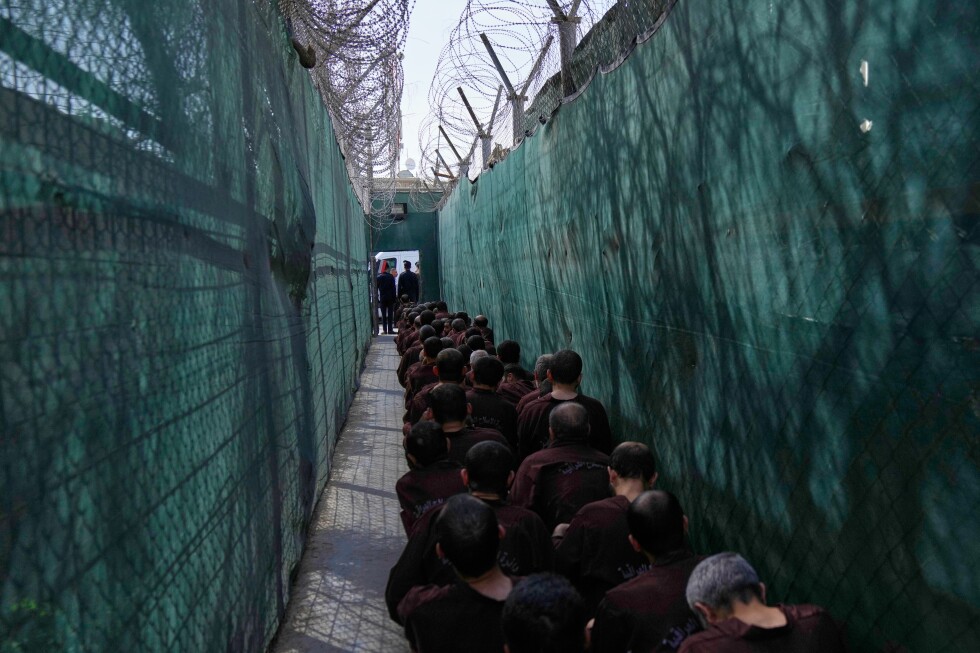
Iraqi authorities are conducting extensive interrogations of thousands of Islamic State suspects at Al-Karkh Central Prison in Baghdad, a facility that was previously known as Camp Cooper. The U.S. military facilitated the transfer of these detainees from Syrian prisons over a period of several weeks in preparation for trials related to crimes allegedly committed on Iraqi soil.
The transfer marks a significant development in Iraq’s ongoing efforts to process and prosecute individuals suspected of involvement with the Islamic State, which once controlled large swaths of territory across Iraq and Syria. At its height in 2014-2015, ISIS held approximately one-third of Iraq, including major cities like Mosul, and established a self-proclaimed caliphate that terrorized millions of civilians.
Security officials at Al-Karkh Central Prison have implemented rigorous protocols for processing the transferred suspects. Upon arrival, detainees undergo medical examinations before being directed to questioning sessions where Iraqi intelligence officers gather information about their alleged activities with the terrorist organization.
The prison facility has been repurposed specifically to handle this large influx of ISIS suspects. Originally built as a military installation, the complex has been converted into a high-security detention center with specialized areas for interrogation, medical care, and eventually, legal proceedings.
This transfer represents one of the largest movements of ISIS detainees since the territorial defeat of the group in 2019. For years, thousands of suspected ISIS fighters have been held in makeshift detention facilities in northeastern Syria, primarily under the control of Kurdish-led forces. These facilities have faced chronic overcrowding, security concerns, and humanitarian challenges.
The international community has long debated the appropriate approach to ISIS detainees, with many European countries reluctant to repatriate their citizens who joined the terrorist group. Iraq’s willingness to accept and process these suspects reflects its desire to address the legacy of ISIS through its domestic judicial system.
Human rights organizations, while acknowledging Iraq’s sovereign right to prosecute crimes committed within its borders, have expressed concerns about the Iraqi judicial process. Several groups have documented issues related to due process, detention conditions, and the use of evidence potentially obtained through coercion in past terrorism trials.
Iraqi officials maintain that the suspects will be processed in accordance with national laws and that those found guilty of crimes will face appropriate penalties under Iraqi law. The Iraqi legal system has previously handled thousands of ISIS-related cases, with penalties ranging from lengthy prison sentences to capital punishment for the most serious offenses.
For many Iraqis, especially those from communities devastated by ISIS rule, these proceedings represent an important step toward justice and accountability. The ISIS occupation left profound physical and psychological scars across Iraq, with countless families still searching for missing relatives and communities working to rebuild destroyed infrastructure.
The logistical challenges of this operation have been substantial, requiring coordination between U.S. military forces, Syrian Kurdish authorities, and Iraqi security agencies. The transfer took place over several weeks to ensure secure transport and proper processing of each suspect.
As interrogations continue at Al-Karkh Central Prison, Iraqi judicial authorities are preparing for what will likely be a lengthy process of trials and sentencing. The evidence gathering phase is particularly crucial, as prosecutors will need to establish individual culpability for specific crimes rather than mere association with the terrorist organization.
The fate of these detainees will be closely watched by the international community as Iraq continues its efforts to address the complex legacy of the Islamic State while working toward national reconciliation and rebuilding.
Fact Checker
Verify the accuracy of this article using The Disinformation Commission analysis and real-time sources.

6 Comments
These interrogations will shed light on the inner workings of ISIS and help prevent future terrorist activities. Transparency and cooperation between authorities will be crucial.
The interrogations of suspected ISIS members at this Baghdad prison seem like a critical step in holding them accountable for their atrocities. Thorough investigations will be essential to ensure fair trials and justice for victims.
It’s good to see Iraq taking proactive steps to process these detainees and prepare for prosecutions. Bringing ISIS members to justice is vital for restoring stability and security in the region.
Agreed. Rigorous protocols and due process are important to uphold the rule of law, even for such heinous crimes.
The scale of this operation to transfer and process thousands of ISIS suspects is quite remarkable. Careful handling and documentation will be essential to ensure the integrity of the legal proceedings.
While the crimes of ISIS were horrific, it’s important that the trials and sentencing adhere to international human rights standards. Justice must be balanced with respect for due process.