


Listen to the article
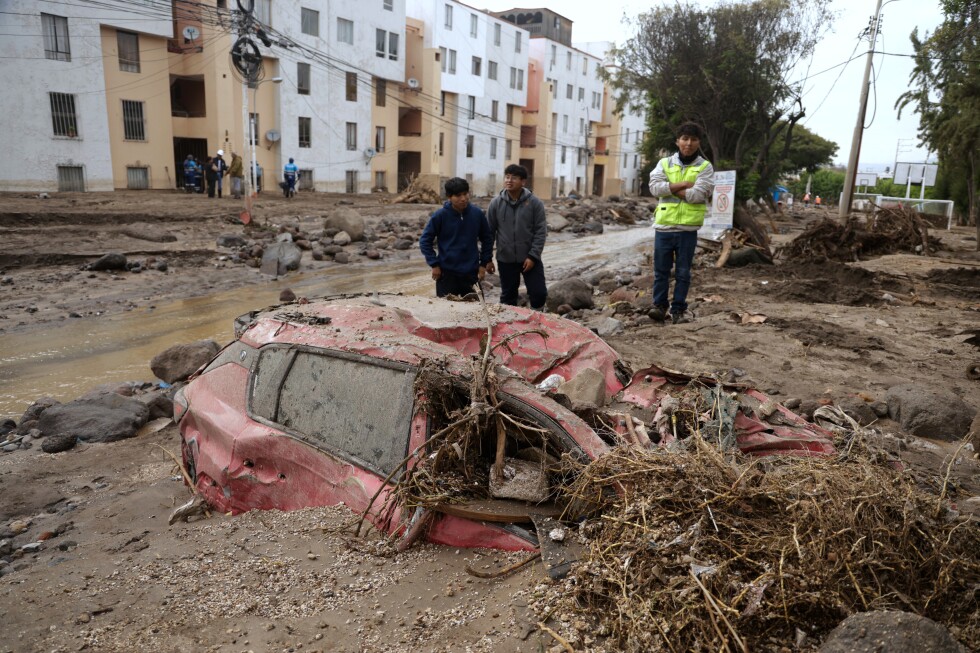
Peru has declared a state of emergency across nearly half of the country’s districts as severe rainfall, landslides, and flooding continue to devastate regions from the Pacific coast to the Andes and Amazon basin. The emergency declaration, signed by interim President José María Balcázar, was published in the country’s official gazette on Wednesday.
The decree covers more than 700 districts and aims to expedite funding to local and regional authorities. These funds will be used to secure critical infrastructure including bridges, roads, water systems, and electricity while prioritizing the protection of citizens’ lives and health.
The intensifying rains have caused widespread destruction across Peru, but government response was delayed due to political upheaval. The emergency measures could not be implemented until President Balcázar formed his Cabinet on Tuesday, ending a ministerial vacuum that began on February 17 following the removal of his predecessor, José Jerí, who is currently under investigation for corruption and influence peddling.
Peru’s transportation ministry reported on Wednesday that approximately 931 kilometers (580 miles) of roads have suffered damage nationwide. The destruction is particularly concentrated in four regions that have borne the brunt of the rainfall. These affected transportation routes serve more than half a million people weekly, significantly disrupting mobility and access to essential services throughout the country.
The human toll continues to rise, with authorities confirming that 68 people have died due to rain-related causes since December. Recent casualties include a father and son who were swept away by a landslide in the southern region of Arequipa. In Lima, a police officer drowned in the Rimac River while attempting to rescue a dog trapped by floodwaters originating from the Andes.
Meteorologists attribute the extreme weather to El Niño Costero, or coastal El Niño, a climate phenomenon characterized by warming ocean temperatures along Peru’s coast. Government authorities have warned that Pacific waters continue to warm, and the El Niño Costero is expected to strengthen slightly in March, potentially exacerbating the already dire situation.
“The warming of ocean waters leads to high evaporation rates and extreme rainfall, as well as increased river flows,” explained a government statement on the crisis. This creates a dangerous cycle of intensifying precipitation and flooding that threatens both urban and rural communities.
Peru is particularly vulnerable to El Niño events due to its diverse geography, which includes arid coastal regions that cannot absorb sudden heavy rainfall. The country has faced similar crises in the past, most notably during the 2016-2017 El Niño Costero event that caused widespread destruction and claimed over 100 lives.
The current emergency represents a significant test for Balcázar’s interim administration, which must coordinate relief efforts while dealing with ongoing political instability. The government faces immediate challenges in restoring transportation networks, preventing disease outbreaks in flooded areas, and ensuring food security as agricultural regions suffer damage.
International organizations are monitoring the situation closely, with several humanitarian groups preparing to provide additional assistance should conditions deteriorate further. Regional cooperation will be essential as neighboring countries may also face impacts from the changing climate patterns affecting the western coast of South America.
As Peru enters March, typically still part of the rainy season, authorities are preparing for the possibility of additional precipitation and related disasters while working to repair damage from storms that have already occurred.
Fact Checker
Verify the accuracy of this article using The Disinformation Commission analysis and real-time sources.

10 Comments
As someone who closely follows the mining and commodities sectors, I’m very concerned about how this disaster may impact Peru’s mineral production and exports. Mining is a vital part of their economy, and disruptions could have ripple effects globally.
That’s a good point. Key mineral exports like copper, gold, and silver could see temporary supply chain issues. It will be important to monitor the situation and how it affects global commodity markets.
This is a devastating situation for Peru. Severe weather and infrastructure damage are really challenging the government’s response capabilities. I hope they can quickly mobilize aid and resources to protect lives and begin the recovery process.
You’re right, the political upheaval has clearly complicated the government’s ability to act decisively. Streamlining the emergency response is critical to mitigate further damage and suffering.
The political instability in Peru adds an extra layer of complexity to this crisis. Ensuring a coordinated, effective emergency response despite the leadership change will be crucial. I hope the new administration can rise to the challenge.
Agreed. The timing of this disaster, coming right after a change in government, makes the response even more difficult. Maintaining continuity and stability will be critical.
It’s alarming to see how much of Peru’s transportation network has been damaged by these floods and landslides. Rebuilding critical infrastructure will be a major undertaking, but it’s essential for getting aid and relief to affected areas.
Absolutely, the scale of the damage is staggering. I hope international aid organizations can step in to supplement the government’s efforts and accelerate the recovery process.
This is a tragic situation, and my heart goes out to the people of Peru who are suffering from the floods and landslides. The scale of the damage is truly staggering, and I hope the international community steps up to provide urgent humanitarian aid and support the recovery efforts.
That’s a compassionate sentiment. International cooperation and assistance will be vital to help Peru overcome this crisis and rebuild stronger infrastructure to withstand future extreme weather events.