


Listen to the article
Pentagon Blocks Photographers from Defense Secretary’s War Briefings Amid Media Tensions
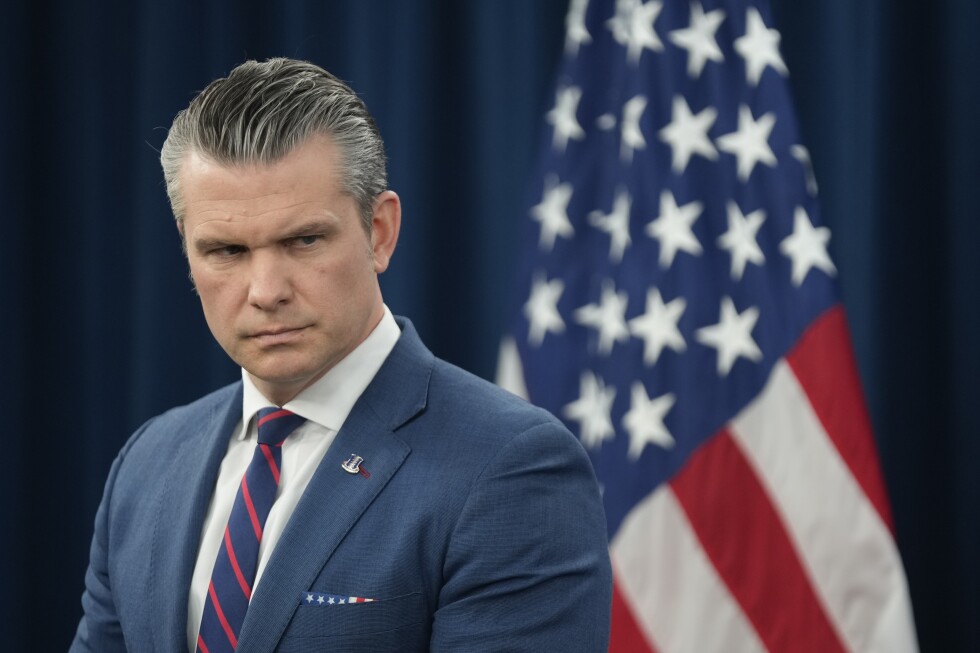
The Pentagon has barred photographers from covering Defense Secretary Pete Hegseth’s last two briefings on the ongoing conflict in Iran, marking a significant departure from longstanding media access protocols. Officials have provided no explanation for this change in policy.
When approached for comment, Pentagon spokesman Joel Valdez declined to address the photographer ban, leaving questions unanswered about the rationale behind the decision. Video cameras, however, are still permitted at these briefings.
The move comes amid escalating tensions between the Defense Department under Hegseth’s leadership and the established press corps. Most mainstream media organizations have vacated their traditional workspaces at the Pentagon following the implementation of new Trump administration rules that substantially limit journalist movements and access to defense personnel.
These vacated positions have been filled by what observers describe as a “newly constituted press corps” – outlets that have agreed to the administration’s restrictive guidelines. Many of these organizations are known for their supportive coverage of President Donald Trump and his policies.
Despite the exodus of traditional media from Pentagon offices, the Defense Department has granted these organizations special passes to attend Hegseth’s war briefings. While the Secretary occasionally recognizes reporters from these legacy outlets during question periods, such interactions remain limited. In a rare exception, Hegseth called on Eric Schmitt of The New York Times during Tuesday’s briefing.
The Times has taken legal action against the Trump administration, filing a lawsuit to overturn Hegseth’s restrictive media rules. A hearing on this case was held last week before U.S. District Judge Paul Friedman, though no ruling has yet been issued.
“As The Times has long said, there is a clear importance and public service to allowing journalists to report fully on the U.S. military,” said Charles Stadtlander, a spokesman for the newspaper. “This includes photojournalists, who deserve access and credentialing to attend Pentagon briefings.”
The Associated Press, whose photographers have also been affected by the access restrictions, had no immediate comment on the situation.
The media restrictions coincide with intense scrutiny of the administration’s handling of a controversial bombing incident at a girls’ school in Iran. The attack reportedly killed approximately 175 people, including numerous children.
The New York Times’ coverage of this incident has drawn sharp criticism from White House Press Secretary Karoline Leavitt. On Tuesday, Leavitt stated that the administration would not be “harassed” by the Times regarding investigations into the bombing.
“We’re not going to be harassed by The New York Times, who’ve been putting out a lot of articles on this making claims that have just not been verified by the Department of War, to quickly wrap up this investigation because The New York Times is calling on us to do so,” Leavitt said.
However, in a significant development reported Wednesday, the Times cited anonymous sources claiming that preliminary findings from the administration’s investigation indicate U.S. responsibility for the bombing. According to the report, military officials believe outdated intelligence was used when selecting the target for the Tomahawk missile strike.
This contentious relationship between the Pentagon and the press represents a notable shift in how defense operations are covered and reported to the American public. Media access to military briefings has historically been considered essential for maintaining transparency and public accountability, particularly during active military conflicts.
The outcome of The New York Times’ lawsuit against the administration could potentially set important precedents for press access to military information during the current conflict and future engagements.
Fact Checker
Verify the accuracy of this article using The Disinformation Commission analysis and real-time sources.

8 Comments
This is concerning news. Unfettered press access is critical for an informed public, especially during times of war or heightened tensions. I hope the Pentagon reconsiders this decision and works to rebuild trust with the established media corps.
I agree, this is a troubling development. Restricting media coverage of military briefings raises questions about the administration’s commitment to transparency. The public deserves to have a clear window into these important discussions.
Interesting to see the Pentagon tightening media access around the Iran conflict. Transparency is important, but there may be valid security concerns driving this decision. I’m curious to hear more about the administration’s rationale behind these new media rules.
Yes, the Pentagon-media tensions are quite concerning. Restricting photographer access could limit public visibility into these important events. Hopefully the administration will provide a clear justification for this policy change.
Limiting media access to military briefings on the Iran conflict is a worrying move. While security considerations are understandable, this policy risks undermining public trust and accountability. I hope the Pentagon can find a way to balance those concerns with the need for press freedom.
The Pentagon’s decision to restrict media access to these Iran war briefings is very concerning. An informed public requires unfettered coverage of such critical events. I hope the administration will provide a clear justification for this policy change and find a way to balance security needs with press freedoms.
This is an alarming decision by the Pentagon. Preventing photographers from covering key military briefings seems like a concerning step backwards for press freedoms. I hope the administration will reconsider and restore more open access for the media.
Agreed, this is a troubling development. Transparency around military operations is crucial, especially during a conflict. I’m concerned this move could further erode public trust in the government’s handling of the situation.