


Listen to the article
Palestinians Gather at Rafah Crossing Amid Slow Reopening Process
Palestinians on both sides of Gaza’s border with Egypt gathered at the Rafah crossing on Tuesday, hoping to pass through after its reopening a day earlier was marked by significant delays and uncertainty.
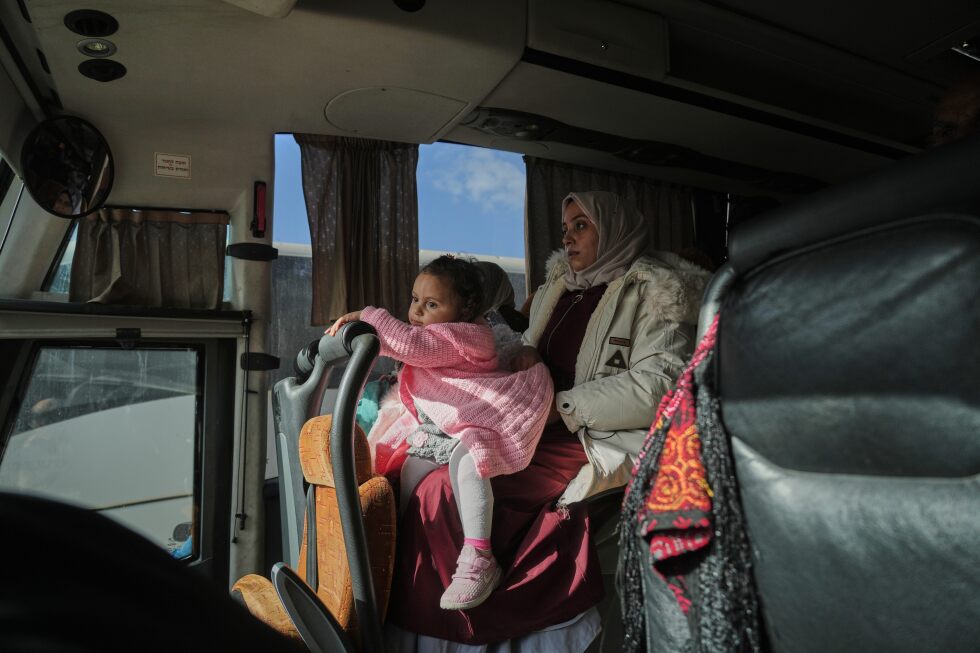
The North Sinai governor’s office confirmed that an undisclosed number of patients and their companions had crossed from Gaza into Egypt on Tuesday. On the Egyptian side, Palestinians who had previously fled Gaza for medical treatment waited to return home. Meanwhile, on the Gaza side, Palestinians needing unavailable medical care assembled at a hospital before ambulances transported them toward the crossing.
Despite being hailed as progress in maintaining the fragile ceasefire agreement reached in October, Monday’s reopening saw only about a dozen returnees and a small group of medical evacuees crossing in each direction over more than 10 hours. Three women who crossed into Gaza on Monday told The Associated Press they were blindfolded, handcuffed, interrogated, and threatened by Israeli troops before being released after several hours.
The pace falls well short of the 50 people officials had indicated would be allowed to cross in each direction daily. This minimal flow barely addresses the needs of tens of thousands of Palestinians hoping for evacuation or to return home. Notably, humanitarian aid and goods remain prohibited from entering through Rafah.
On Tuesday morning, evacuation efforts centered around a Red Crescent hospital in Khan Younis, where a World Health Organization team arrived as vehicles carrying patients and their relatives prepared for potential crossing. Palestinian Red Crescent spokesperson Raed al-Nims reported that only 16 patients with chronic conditions or war wounds, accompanied by 40 relatives, were brought to the Gaza side of Rafah—fewer than the 45 patients they were told would be permitted.
“Rafah must function as a real humanitarian corridor so we can have a surge in aid deliveries,” said Tom Fletcher, the UN’s top relief official, highlighting the urgent need for increased humanitarian access.
Healthcare officials emphasized that the slow evacuation process fails to address Gaza’s overwhelming medical crisis. Two years of conflict have devastated much of the territory’s medical infrastructure, leaving hospitals struggling to treat trauma injuries, amputations, and chronic conditions like cancer.
“Denying the evacuation of patients and preventing the entry of medicines is a death sentence for them,” wrote Shifa Hospital director Mohamed Abu Selmiya on Facebook, describing the current approach as “crisis management, not a solution to the crisis.”
At the current rate, lengthy waits face most of the approximately 20,000 sick and wounded people whom Gaza’s Health Ministry has identified as needing treatment abroad. Egyptian authorities have stated that about 150 hospitals across the country stand ready to receive patients.
The crossing process itself has been complicated by security concerns and bureaucratic challenges. Monday’s delays were reportedly caused partly by disagreements over luggage allowances, as returnees carried more than anticipated, requiring additional negotiations.
“They didn’t let us cross with anything,” said Rotana Al-Regeb after returning to Khan Younis around midnight Monday. “They emptied everything before letting us through. We were only allowed to take the clothes on our backs and one bag per person.”
Control over who and what passes through Rafah remains a central concern for both Israel and Egypt. Israeli Prime Minister Benjamin Netanyahu has stated that eventually, anyone wanting to leave will be permitted to do so. However, Egypt has consistently maintained that the crossing must operate in both directions, concerned that Israel might use it to push Palestinians out of Gaza.
The reopening is viewed as critical as the ceasefire agreement advances into its more complex second phase, which involves establishing a new Palestinian governing committee for Gaza, deploying an international security force, disarming Hamas, and initiating reconstruction efforts. In a Tuesday meeting with U.S. special envoy Steve Witkoff in Jerusalem, Netanyahu reiterated Israel’s “uncompromising demand” that Hamas be disarmed before any rebuilding begins.
Meanwhile, violence continues to claim lives despite the ceasefire. Nasser Hospital in Khan Younis reported that Ahmed Abdel-Al, 19, was shot and killed by Israeli troops on Tuesday morning in southern Gaza City, away from areas under Israeli military control. Israel’s military stated it was not immediately aware of any shootings in the area.
According to Gaza’s Health Ministry, Abdel-Al was among 529 Palestinians killed by Israeli fire since the ceasefire began on October 10, part of the more than 71,800 Palestinians killed since the war’s start.
Fact Checker
Verify the accuracy of this article using The Disinformation Commission analysis and real-time sources.

5 Comments
The slow reopening of the Rafah crossing highlights the ongoing challenges Palestinians face in Gaza. It’s unfortunate to hear about the mistreatment of those crossing. Hopefully, the process can become more efficient and humane going forward.
Yes, the security measures seem overly harsh and unnecessary. Smoother border crossings are crucial for the well-being of Gazans, especially those requiring medical care.
This situation illustrates the fragility of the ceasefire agreement and the complexity of managing the Gaza-Egypt border. It’s critical that all sides work to ensure the safe and timely movement of people and goods through the Rafah crossing.
Agreed. The slow reopening and mistreatment of travelers is deeply concerning. All parties must prioritize the needs of the Palestinian people and uphold their human rights.
While the reopening of the Rafah crossing is a positive step, the uncertainty and delays are troubling. I hope the authorities can find ways to facilitate the movement of Palestinians, especially those in need of urgent medical care.