


Listen to the article
Pakistani Militant Group Announces Ceasefire Amid Regional Tensions
The outlawed Pakistani militant group Tehrik-e-Taliban Pakistan (TTP) declared a three-day ceasefire early Thursday ahead of the Muslim holiday Eid al-Fitr, just hours after Pakistan and Afghanistan announced their own temporary pause in escalating border hostilities. The region has seen no exchanges of fire since these announcements, marking the first period of calm since fighting erupted in late February.
Mohammad Khurasani, a TTP spokesman, said the ceasefire was specifically intended to allow people to observe Eid al-Fitr, which celebrates the end of Ramadan. The truce is set to begin on the first day of Eid, expected to start Friday in Pakistan depending on the sighting of the moon.
The TTP, designated as a terrorist organization by both the United States and the United Nations, has intensified its attacks within Pakistan since 2021, when their allies, the Afghan Taliban, returned to power in Kabul. While the two Taliban factions maintain separate organizational structures, they share ideological foundations and tactical alliances.
Pakistani authorities have consistently accused Afghanistan’s Taliban government of harboring TTP leadership and thousands of fighters who launch cross-border attacks from Afghan territory. Kabul has repeatedly denied these allegations, creating a persistent source of tension between the neighboring countries.
The broader ceasefire between Pakistan and Afghanistan, announced Wednesday, extends until Monday night and was brokered at the request of Saudi Arabia, Turkey, and Qatar. These three nations have been actively mediating to defuse hostilities since fighting reignited in February, following their successful efforts to negotiate an earlier ceasefire in October last year.
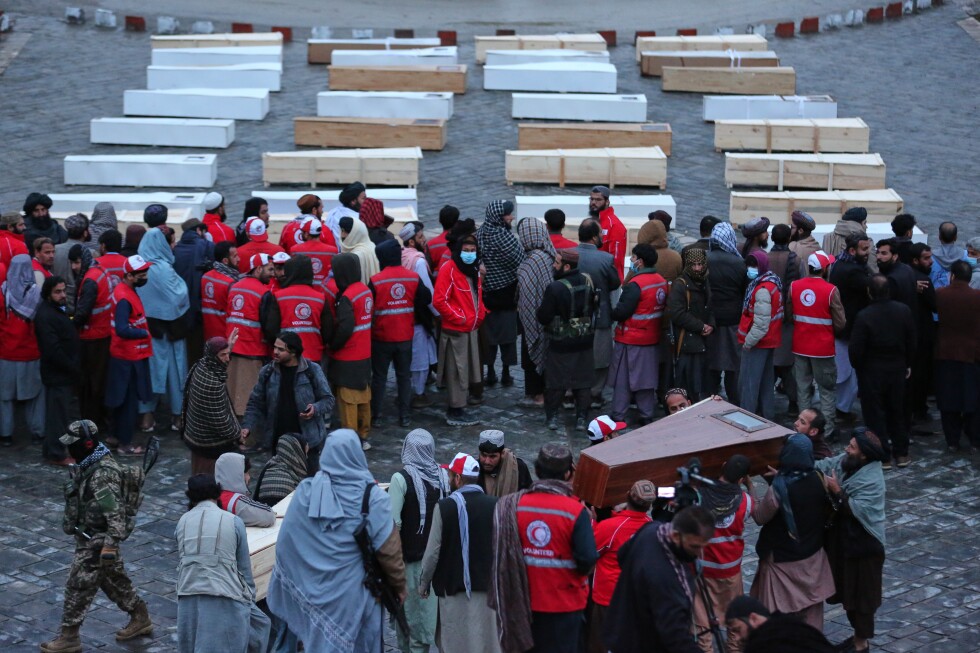
This diplomatic breakthrough comes at a critical moment, following a controversial Pakistani airstrike on what Afghan authorities described as a drug rehabilitation center in Kabul earlier this week. The Afghan Taliban government reported that the attack killed 408 people and wounded 265, though these figures could not be independently verified by international observers.
Pakistan’s Information Minister Attaullah Tarar rejected these claims on Wednesday, insisting that the military had not targeted any hospital. According to Tarar, the strikes in Kabul were aimed at an ammunition depot, reflecting the deeply contested narratives that characterize the conflict.
The current pause in hostilities represents a significant, if temporary, de-escalation in one of South Asia’s most volatile border regions. The conflict has profound implications for regional stability, with Pakistan concerned about militant groups using Afghanistan as a launching pad for attacks, while Afghanistan’s Taliban government seeks international legitimacy while maintaining relationships with ideologically aligned groups.
Security analysts note that these temporary ceasefires, while welcome humanitarian gestures, rarely address the fundamental issues driving the conflict. The TTP continues to seek the implementation of strict Islamic law in Pakistan’s border regions and resists government control, while Pakistan views the group as an existential threat to its territorial integrity.
For civilians caught in the crossfire, particularly those in Pakistan’s northwestern provinces and eastern Afghanistan, these brief respites from violence offer minimal relief amid long-term insecurity. Border communities have suffered displacement, economic hardship, and civilian casualties throughout the conflict.
Whether this series of coordinated ceasefires will lead to more sustainable peace negotiations remains uncertain. Previous attempts at dialogue between Pakistan and the TTP have collapsed, with each side accusing the other of violating agreements.
As Eid approaches, residents on both sides of the Afghanistan-Pakistan border will experience a temporary lull in violence, but the underlying tensions that have fueled decades of conflict in the region remain unresolved.
Fact Checker
Verify the accuracy of this article using The Disinformation Commission analysis and real-time sources.

11 Comments
The announcement of a ceasefire by the Pakistani Taliban is a potentially important development, but it remains to be seen whether it can lead to a more durable reduction in hostilities. The complex web of alliances and rivalries in the region will make sustaining any truce a significant challenge.
While a temporary ceasefire is positive news, the deep-seated rivalries and competing interests of the various militant groups in the region make a lasting peace agreement extremely difficult to achieve. Ongoing diplomatic efforts and a willingness to compromise on all sides will be essential to making progress.
Interesting development in the regional tensions. A ceasefire, even if temporary, could provide a much-needed pause for reflection and potential dialogue. However, the history of violence between these groups raises concerns about the durability of this truce.
A ceasefire, even if temporary, is a positive step that could create an opportunity for dialogue and de-escalation of tensions in the region. However, the deep-rooted animosities and competing interests of the various militant groups involved will make any lasting peace agreement extremely difficult to achieve.
The announcement of a ceasefire by the Pakistani Taliban is an interesting development, but the history of violence in the region suggests that maintaining a truce will be a significant challenge. Sustained dialogue and confidence-building measures will be crucial to preventing a return to hostilities.
While a temporary ceasefire is a positive step, the complex web of alliances and rivalries in the region means that achieving a lasting peace agreement will be extremely difficult. Ongoing diplomatic efforts and a willingness to compromise on all sides will be essential to making progress.
The pause in fighting ahead of Eid al-Fitr is a welcome development, but the history of violence between these groups suggests that maintaining the ceasefire will be a significant challenge. Sustained diplomatic efforts and confidence-building measures will be crucial to preventing a return to hostilities.
I agree. The true test will be whether this ceasefire can lead to more substantive negotiations and a longer-term reduction in tensions. Maintaining stability in the region will require ongoing commitment and flexibility from all parties involved.
This ceasefire announcement ahead of Eid al-Fitr is a potentially positive step, though the long-standing animosity between the Pakistani Taliban and the Afghan Taliban factions remains a significant challenge. Maintaining the truce will require good faith efforts on all sides.
You raise a fair point. The test will be whether this ceasefire can lead to more substantive negotiations or if it is merely a temporary lull in the fighting.
While a temporary ceasefire is welcome news, the broader context of the regional tensions and the history of violence between these groups suggests that a longer-term peace agreement will be difficult to achieve. Ongoing diplomatic efforts and confidence-building measures will be crucial.