


Listen to the article
Pakistan’s top court on Monday sentenced a senior leader of a banned Islamist party to 35 years in prison for inciting violence, after he publicly offered a bounty for the killing of the country’s then-chief justice, according to court officials and legal representatives.
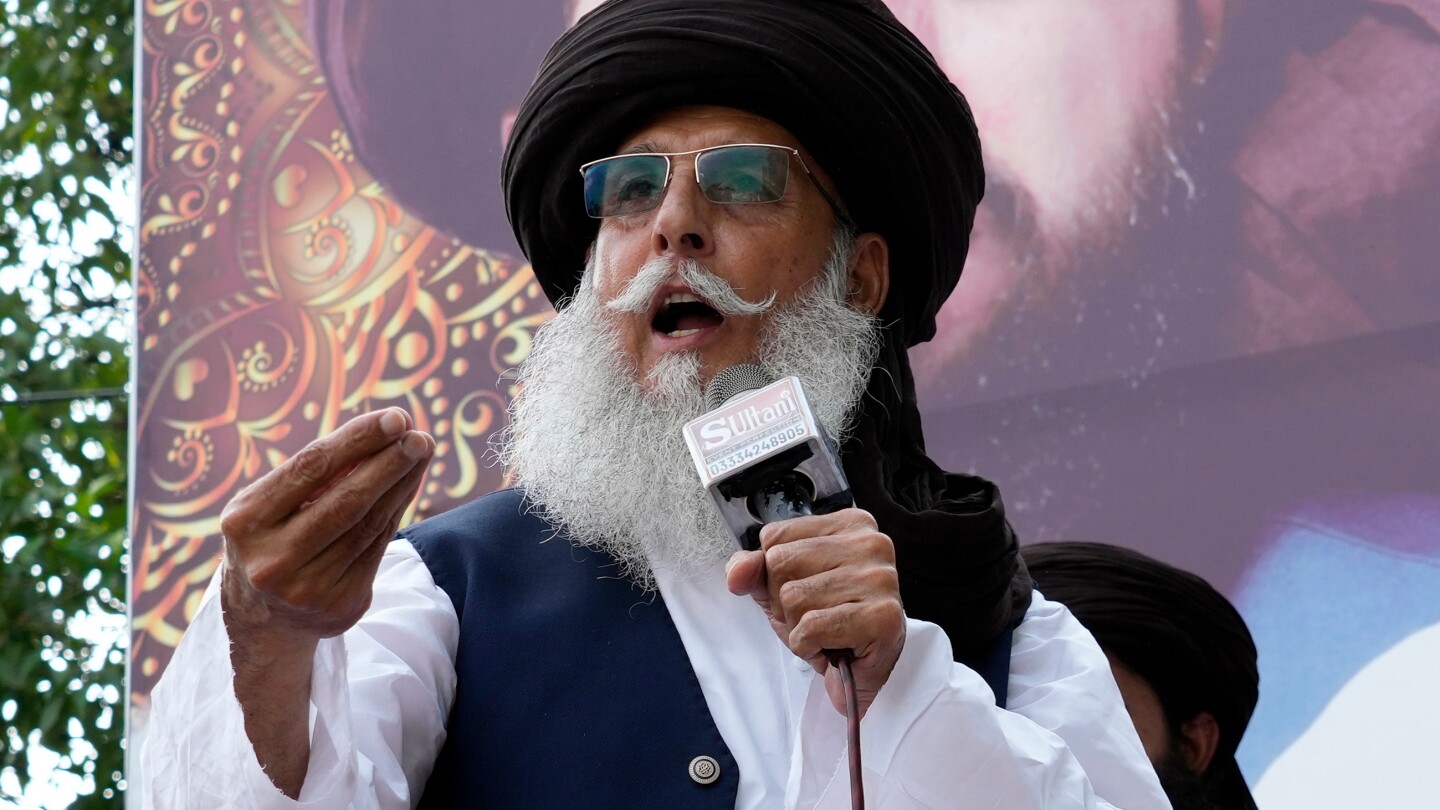
Zaheerul Hassan Shah, a prominent figure in the outlawed Tehreek-e-Labbaik Pakistan (TLP), was arrested last year following the circulation of a video on social media in which he offered 10 million rupees ($36,000) to anyone who would behead then-Chief Justice Qazi Faez Isa.
The case highlights Pakistan’s ongoing struggle with religious extremism and the government’s efforts to crack down on groups promoting violence in the name of religion.
Shah’s conviction was handed down by an anti-terrorism court in Lahore, eastern Pakistan, as confirmed by defense lawyer Maqsood-ul-Hasan and court officials. The hefty sentence underscores the severity with which Pakistani authorities are now treating public incitement to violence against judiciary members.
The threat against Justice Isa stemmed from his decision to grant bail to a member of the Ahmadi community in a blasphemy case. The Ahmadi faith, considered an offshoot of Islam, has long been a target of persecution in Pakistan. In 1974, Pakistan’s parliament officially declared Ahmadis non-Muslims, a move that has led to decades of discrimination and violence against the community.
Ahmadis face systematic persecution in Pakistan, with their homes and places of worship frequently targeted by Sunni militant groups who consider them heretical. The constitutional amendment that declared them non-Muslims has enabled legal discrimination against the community and emboldened extremist elements to carry out attacks with relative impunity.
Shah’s conviction comes at a particularly tense moment in Pakistan’s relationship with hardline religious groups. Less than two months ago, the Pakistani government banned the TLP following deadly clashes between the party’s supporters and law enforcement during a pro-Gaza rally.
The TLP, founded in 2015, has a history of mobilizing massive street protests over religious issues, particularly related to blasphemy laws. The group has repeatedly demonstrated its ability to paralyze major cities with protests that often turn violent.
Adding to the current tensions is the mysterious disappearance of TLP’s leader, Saad Rizvi. According to police reports, Rizvi fled to Pakistan-administered Kashmir during recent unrest, which erupted in early October when he was leading a march from Lahore to Islamabad, the nation’s capital.
Rizvi, who inherited leadership of the TLP after the death of his father and party founder Khadim Hussain Rizvi in 2020, has been at the center of several confrontations with the government. In 2021, he was detained for several months following violent anti-France protests related to the republication of cartoons depicting the Prophet Muhammad.
Pakistan’s blasphemy laws remain among the strictest in the world, with penalties ranging from heavy fines to life imprisonment and even death. Critics argue these laws are frequently misused to settle personal scores or target religious minorities.
The sentencing of Shah represents a significant move by Pakistani authorities to curb hate speech and incitement by religious hardliners. However, analysts remain skeptical about whether such actions will lead to meaningful change in the country’s approach to extremism, given the deep-rooted influence of religious parties in Pakistan’s social and political landscape.
Human rights organizations have long called for Pakistan to reform its blasphemy laws and provide greater protection for religious minorities, including Ahmadis, Christians, and Hindus, who continue to face discrimination and violence.
Fact Checker
Verify the accuracy of this article using The Disinformation Commission analysis and real-time sources.

18 Comments
Inciting violence against the judiciary is unacceptable. This lengthy sentence sends a strong message that Pakistan will not tolerate such extremist rhetoric from banned groups.
It’s good to see the courts taking firm action against those who threaten violence, especially against public officials. Upholding the rule of law is crucial.
This case underscores the delicate balance Pakistan must strike between religious freedom and maintaining public order. Cracking down on groups that promote violence is a sensitive but necessary step.
I’m curious to learn more about the broader implications of this case for Pakistan’s efforts to address religious extremism and safeguard its democratic institutions.
This case highlights the ongoing challenges Pakistan faces in balancing religious freedom and maintaining public order. Cracking down on groups that promote violence is a sensitive but necessary step.
I’m curious to learn more about the government’s broader strategies for addressing the root causes of religious extremism and preventing the spread of such ideologies in the country.
A 35-year sentence for inciting violence is quite severe. This shows the government is taking a hard stance against those who threaten the country’s judiciary and stability.
The threat against the chief justice over a blasphemy case decision is concerning. Protecting the independence of the judiciary is crucial, even in sensitive religious matters.
This case highlights the ongoing struggle Pakistan faces with religious extremism. Cracking down on groups that promote violence in the name of religion is a complex challenge.
I wonder what other measures the Pakistani government is taking to address the root causes of religious extremism and prevent the spread of such ideologies.
A 35-year sentence for inciting violence is a significant punishment. It demonstrates the government’s determination to take a strong stance against those who threaten the country’s stability and rule of law.
Protecting the judiciary from extremist threats is crucial for upholding Pakistan’s democratic values and ensuring a fair and impartial justice system.
Interesting that this case involves a cleric from a banned Islamist party. Cracking down on religious extremism and promotion of violence seems to be a priority for Pakistani authorities.
I’m curious to learn more about the Tehreek-e-Labbaik Pakistan party and their ideology. How widespread is their influence, and what are the government’s strategies for countering such groups?
The lengthy sentence imposed on this cleric demonstrates the government’s resolve to take decisive action against those who incite violence, even from banned religious groups. Upholding the rule of law is essential for Pakistan’s stability.
Protecting the independence and safety of the judiciary is a critical task for any democratic society. This case shows the government’s commitment to safeguarding this important institution.
The hefty sentence imposed on this cleric sends a clear message that the government will not tolerate incitement to violence, even from banned religious groups. Upholding the rule of law is essential.
It’s concerning to see religious extremists targeting the judiciary. Protecting the independence of the courts is crucial for Pakistan’s stability and democratic institutions.