


Listen to the article
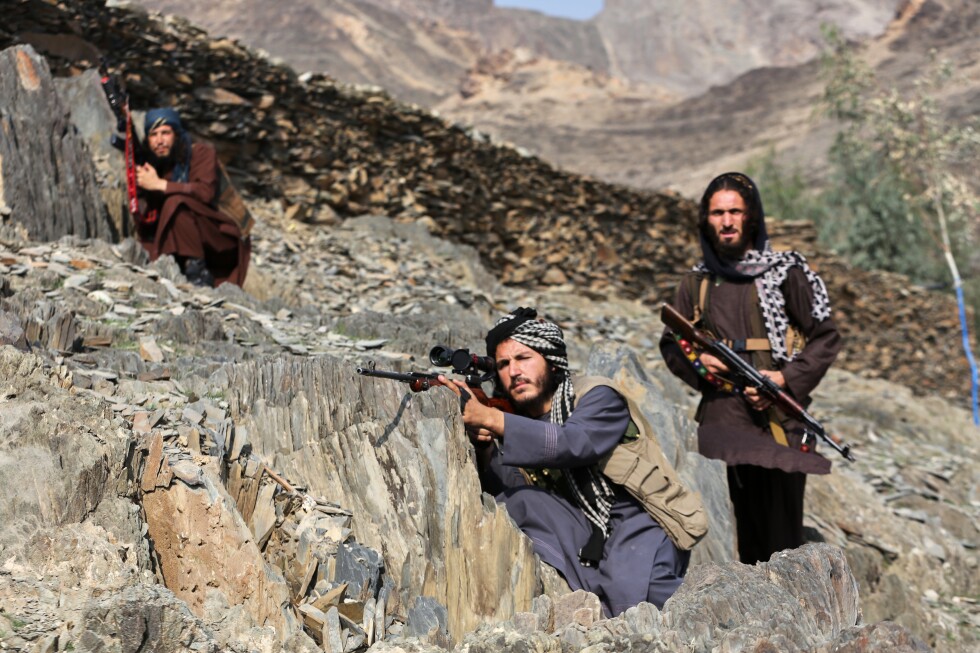
Pakistani and Afghan forces exchanged heavy fire along their shared border on Friday, marking the ninth consecutive day of escalating violence in what Pakistani officials have described as “open war.” Both sides claim to have inflicted significant casualties on the other, with Pakistan asserting it killed 527 Afghan soldiers, while Afghanistan reported dozens of Pakistani troops dead.
The international community’s calls for restraint have fallen on deaf ears as fighting spreads across multiple provinces along the 1,600-mile border. The Pakistani military launched operations last week, targeting positions in Afghanistan’s Nangarhar, Kandahar, Kunar, Paktia, and Khost provinces, while Afghan forces reportedly destroyed numerous Pakistani military posts.
“Our air force and ground troops have inflicted heavy losses on Afghan forces,” said a Pakistani military spokesperson, without providing specific details about the operations. Pakistan’s state media continues to report ongoing military actions against both Afghan forces and the Pakistani Taliban.
Amid the border clashes, a suicide car bomber struck a security post in Pakistan’s North Waziristan district on Friday, killing one civilian and wounding 18 others. While no group immediately claimed responsibility, suspicion has fallen on the Pakistani Taliban, also known as Tehrik-e-Taliban Pakistan (TTP), which regularly targets security forces and civilians in the region.
Pakistan has repeatedly accused Afghanistan’s Taliban government of harboring the TTP, allegations that Kabul firmly denies. Since the Taliban regained control of Afghanistan in August 2021, attacks by the TTP inside Pakistan have increased significantly, fueling tensions between the neighboring countries.
“These military operations will continue until Afghanistan takes verifiable steps to rein in the TTP and other militants operating from its territory,” said Pakistan’s Information Minister Attaullah Tarar on social media platform X. He added that Pakistan’s security concerns must be addressed for any lasting peace.
The humanitarian toll continues to mount as the conflict intensifies. The United Nations refugee agency reported Thursday that approximately 115,000 people have been displaced in Afghanistan and 3,000 in Pakistan due to the border clashes. UNAMA, the UN mission in Afghanistan, stated on Friday that at least 56 civilians have been killed inside Afghanistan since the fighting began.
Local officials in Pakistan’s northwestern Khyber Pakhtunkhwa province reported that several people were injured Friday when Afghan mortar shells landed in a village in Mohmand district, further highlighting the danger to civilians living near the border.
Casualty claims from both sides have varied widely and cannot be independently verified, as the border region remains largely inaccessible to media. The area is known as a hotspot for militant activity, with groups like al-Qaida and Islamic State maintaining a presence alongside the TTP.
Diplomatic efforts to resolve the conflict have made little headway. Turkish President Recep Tayyip Erdogan offered to mediate a new ceasefire during a call with Pakistan’s Prime Minister Shehbaz Sharif on Wednesday. Similarly, Malaysian Prime Minister Anwar Ibrahim spoke with Afghanistan’s Prime Minister Mullah Mohammad Hasan Akhund on Thursday, according to Taliban government spokesman Zabihullah Mujahid.
These current hostilities shattered an earlier ceasefire brokered by Qatar and Turkey in October, when the two nations had previously approached the brink of war. That truce had led to six days of talks in Istanbul and an agreement to extend the ceasefire, with plans for a third round of negotiations in November that never materialized.
Regional analysts warn that the prolonged conflict threatens to further destabilize an already volatile region. With Pakistan’s military determined to eliminate what it considers terrorist safe havens across the border, and Afghanistan’s Taliban government unwilling to crack down on TTP elements, the prospects for a swift resolution appear increasingly dim.
Fact Checker
Verify the accuracy of this article using The Disinformation Commission analysis and real-time sources.

6 Comments
The ongoing border clashes between Pakistan and Afghanistan are worrying. While national security interests must be protected, I hope the international community can facilitate dialogue to de-escalate tensions and find a peaceful resolution.
I agree. Continued armed conflict only leads to more suffering. A diplomatic solution that addresses the root causes of the tensions would be far better for the people of both countries.
The reports of dozens of troops killed on both sides are alarming. I wonder what steps the governments of Pakistan and Afghanistan are taking to reduce the violence and resume constructive negotiations to resolve their border disputes.
This is a complex and longstanding geopolitical issue. I hope the military operations on both sides can be scaled back quickly, and that the countries can work through their differences via diplomatic channels rather than further bloodshed.
This is a concerning situation along the Pakistan-Afghanistan border. Both sides seem to be claiming significant casualties, but it’s crucial that restraint and diplomacy prevail to avoid further escalation and civilian harm.
The escalating violence along the Pakistan-Afghanistan border is deeply troubling. I urge both governments to prioritize de-escalation and to seek a peaceful, negotiated settlement that addresses the security concerns of all parties.