


Listen to the article
Taiwan’s Olympic Champion Lin Yu-ting Cleared for Boxing Return After Sex Eligibility Review
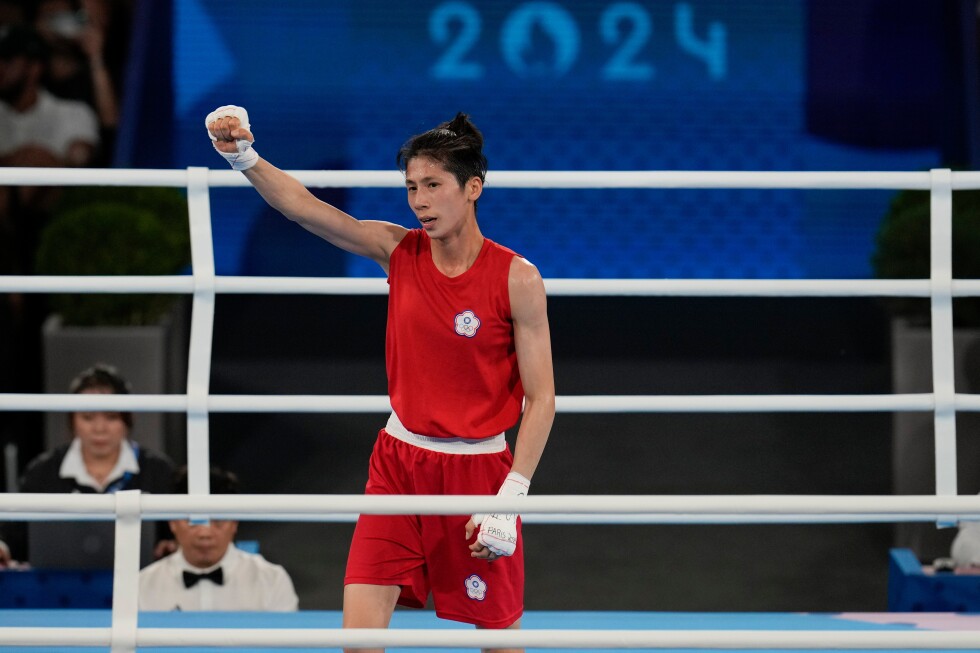
Taiwan’s Olympic gold medalist Lin Yu-ting has been cleared to return to international competition following a review of her sex eligibility status, World Boxing announced Friday. The sport’s Olympic-level governing body made the decision ahead of the Asian Boxing Championships, which begin March 29 in Mongolia.
Lin, who became a central figure in a global debate about gender in sports during the 2024 Paris Olympics, had been absent from several international competitions since World Boxing implemented a mandatory genetic testing policy last August. The policy requires all fighters to undergo a one-time genetic test designed to detect the presence of a Y chromosome.
The Chinese Taipei Boxing Association had mounted an appeal on behalf of Lin following her initial test results last year. While World Boxing did not specify the outcome of Lin’s test, the organization’s statement acknowledged the process had been challenging for all parties involved.
“We recognize that this has been a difficult period for the boxer and the CTBA,” said World Boxing secretary general Tom Dielen. “We appreciate the way they have approached the appeal process and their acknowledgement of World Boxing’s requirement to ensure that its eligibility policy, which is designed to deliver safety and sporting integrity, has been correctly implemented and followed.”
Lin’s case parallels that of Algeria’s Imane Khelif, who also won gold in Paris amid similar scrutiny. Both athletes competed according to the International Olympic Committee’s eligibility rules for the Paris Games, but their participation sparked intense debate across sporting, political, and cultural spheres.
Khelif has also been absent from World Boxing-sanctioned events since the chromosome testing policy took effect. The Algerian boxer has expressed interest in returning to Olympic-level competition while simultaneously planning her professional boxing debut in April. Under current regulations, professional fighters are permitted to compete in Olympic events.
The debate surrounding Lin and Khelif highlights the complex intersection of gender, biology, and sports policy. Chromosome testing was once standard practice in Olympic sports throughout much of the 20th century but was largely abandoned in the 1990s due to the nuanced biological realities of differences in sex development (DSDs) that couldn’t be adequately addressed through simple genetic screening.
World Boxing’s current policy offers additional evaluation pathways for athletes with Y chromosome genetic material who wish to compete in women’s categories. These include enhanced genetic screening, hormonal profiling, anatomical examination, and further evaluation of endocrine profiles by medical specialists.
The reinstatement of Lin represents a significant moment in international boxing, particularly in Asia, where Taiwan has emerged as a growing power in the sport. Lin’s Olympic success brought unprecedented attention to boxing in Taiwan and throughout the region.
The Asian Boxing Championships in Mongolia will mark Lin’s first major international competition since her controversial gold medal victory in Paris. The tournament will feature top fighters from boxing powerhouses like Kazakhstan, Uzbekistan, and India, alongside emerging programs from across the continent.
World Boxing, which took over as the sport’s governing body following long-standing governance issues with the International Boxing Association (IBA), continues to navigate the complex terrain of eligibility policies while working to ensure competitive fairness and athlete safety across the sport’s international competitions.
Lin’s return to competition will be closely watched by sporting observers worldwide as boxing’s governing bodies continue to evolve their approaches to the increasingly complex questions surrounding sex and gender in elite sports competition.
Fact Checker
Verify the accuracy of this article using The Disinformation Commission analysis and real-time sources.

21 Comments
It’s encouraging to see the governing body acknowledge the challenging nature of this case and the need for compassion in the process. Striking the right balance is crucial.
This case highlights the need for clear and consistent policies around sex and gender eligibility in sports. I hope the lessons learned here can help inform more equitable frameworks going forward.
Absolutely. Developing inclusive policies that protect the integrity of competition, while respecting the rights and dignity of all athletes, is an important challenge.
It’s good to see the governing body take the time to properly review this case and come to a fair decision. Maintaining athlete confidence in the process is crucial.
While sensitive topics like this can be divisive, I’m encouraged to see the governing body taking a thoughtful, evidence-based approach to resolving this case. Upholding fairness and inclusion is vital.
It’s important that these types of eligibility decisions are made transparently and with input from diverse stakeholders. Balancing the rights of individual athletes with the integrity of the sport is no easy task.
Absolutely. Ongoing dialogue and collaboration will be key to finding the right balance and building trust in the process.
While the details of this case may be unique, the broader issues around sex and gender eligibility in sports are ones that many governing bodies are grappling with. I hope this sets a positive precedent.
Agreed. The lessons learned here could help inform more inclusive and equitable policies for athletes across different sports.
This will undoubtedly be a closely watched case as it sets precedent around gender eligibility rules in boxing. I hope the outcome helps provide clarity and guidance for other sports as well.
Agreed. The ripple effects of this decision could have significant implications across the broader sports landscape.
The decision to clear this athlete for competition is a positive step, but the broader challenges around gender eligibility in sports will likely continue to be an area of active debate and evolution.
This case underscores the need for ongoing dialogue and collaboration between athletes, governing bodies, and other stakeholders to find equitable solutions that uphold the integrity of the sport.
Agreed. Inclusive policymaking that respects the rights and dignity of all competitors is essential for the long-term sustainability of sports.
This case highlights the complexity around gender identity in sports. I’m glad to see the governing body taking the time to carefully review the evidence and make a fair decision.
Interesting to see the resolution of this high-profile case around gender eligibility in boxing. I hope this decision provides clarity and fairness for all athletes moving forward.
Agreed. These sensitive issues require nuanced and compassionate approaches to ensure all competitors have a level playing field.
This case highlights the importance of having clear, science-based policies that can be applied fairly and consistently. I hope this decision provides a model for other sports to follow.
Absolutely. Developing robust, evidence-based frameworks is key to ensuring all athletes have the opportunity to compete on a level playing field.
The genetic testing policy seems like a reasonable approach to address concerns, though I imagine it must have been a challenging process for the affected athlete. I’m glad they were ultimately able to resolve this.
Yes, these are complex matters without easy answers. Balancing fairness, inclusion, and athlete welfare is critical for governing bodies to navigate carefully.