


Listen to the article
North Korea Executes Teenagers for Watching “Squid Game” and K-pop, Report Finds
North Korean authorities have executed teenagers for watching the South Korean television series “Squid Game” and listening to K-pop music, according to a report released by Amnesty International in early February.
The human rights organization cited testimony from an escapee with family connections in Yanggang Province who reported that schoolchildren were among those executed specifically for watching the popular survival drama series. Amnesty International also documented instances of forced labor sentences and public humiliation for consuming South Korean media elsewhere in the country.
The severity of punishment appears to depend heavily on the socioeconomic status of those caught. “Usually when high school students are caught, if their family has money, they just get warnings,” said Kim Joonsik, a 28-year-old North Korean defector who was caught watching South Korean dramas three times before leaving the country in 2019.
“I didn’t receive legal punishment because we had connections,” Joonsik told Amnesty International, highlighting the role corruption plays in the enforcement of these laws. He added that three of his sisters’ high school friends received multi-year sentences in labor camps in the late 2010s for watching South Korean dramas, a punishment he attributed to their families’ inability to pay bribes.
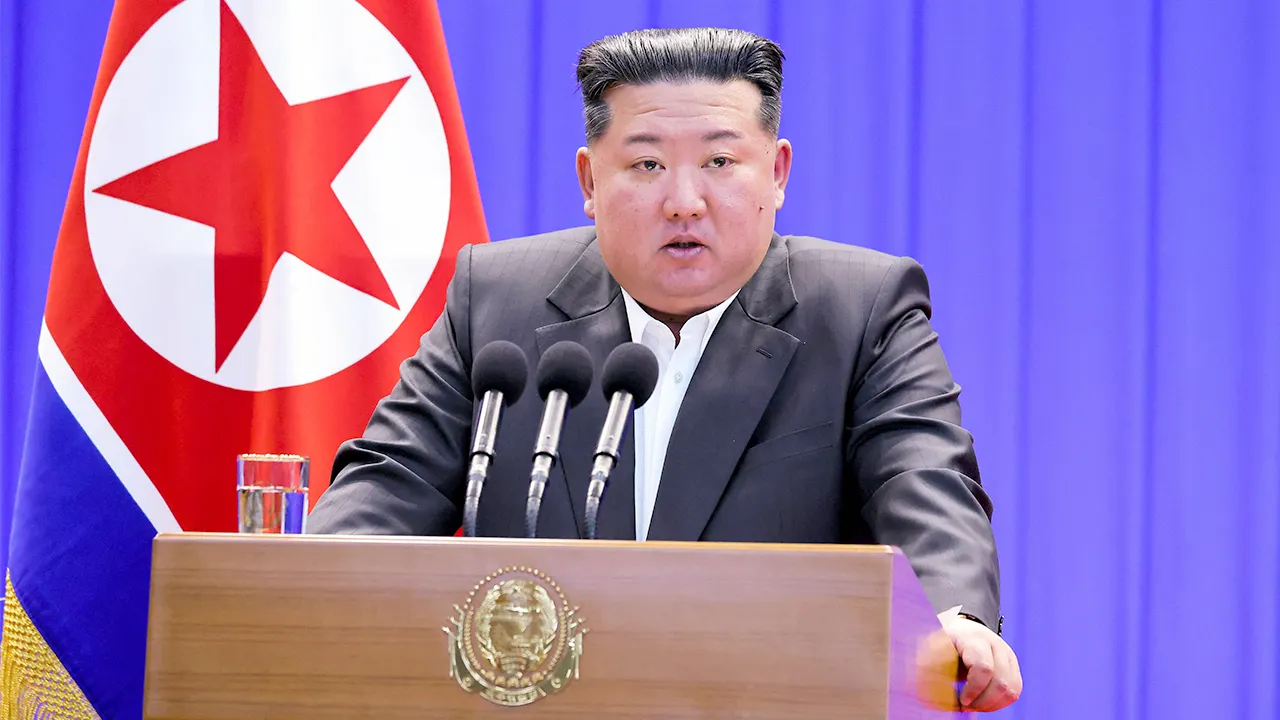
The report illustrates the stark reality of North Korea’s strict information control policies, which have intensified under Kim Jong Un’s leadership. The regime views South Korean cultural content as a serious ideological threat, capable of undermining the state’s carefully constructed narrative and control over its citizens.
“The authorities criminalize access to information in violation of international law, then allow officials to profit off those fearing punishment. This is repression layered with corruption, and it most devastates those without wealth or connections,” said Sarah Brooks, Amnesty International’s deputy regional director.
The crackdown on foreign media comes as South Korean cultural exports like K-pop and television dramas have gained massive global popularity. “Squid Game,” which became Netflix’s most-watched series upon its release, depicts economically desperate individuals competing in deadly games for a cash prize. The show’s themes of economic inequality and desperation may resonate with North Koreans living under the country’s repressive regime.
Multiple defectors interviewed by Amnesty International described being forced to witness public executions while still in school, a practice they described as state-mandated indoctrination designed to instill fear and prevent exposure to foreign culture.
“When we were 16, 17, in middle school, they took us to executions and showed us everything,” said Kim Eunju, a 40-year-old defector. “People were executed for watching or distributing South Korean media. It’s ideological education: if you watch, this happens to you too.”
Despite these harsh measures, South Korean media continues to be smuggled into North Korea through various means, including USB drives. Some activists and defector groups based in South Korea regularly send leaflets containing American currency and USB drives loaded with K-pop music and South Korean television shows across the border.
North Korea’s extreme measures to prevent cultural infiltration reflect the regime’s awareness of how exposure to outside information could undermine its control. The country maintains one of the world’s most restrictive information environments, with severely limited internet access and tightly controlled state media that promotes government propaganda.
“This government’s fear of information has effectively placed the entire population in an ideological cage, suffocating their access to the views and thoughts of other human beings,” Brooks added. “People who strive to learn more about the world outside North Korea, or seek simple entertainment from overseas, face the harshest of punishments.”
Human rights organizations continue to document these abuses despite the challenges of obtaining information from the isolated country, relying primarily on testimony from defectors who have managed to escape North Korea’s tightly controlled borders.
Fact Checker
Verify the accuracy of this article using The Disinformation Commission analysis and real-time sources.

10 Comments
This is a tragic and shocking story. Executing teenagers for watching TV shows is an unthinkable violation of human rights. It speaks to the extreme paranoia and control exercised by the North Korean regime over its citizens.
The fact that punishment depends on wealth and connections further underscores the profound injustice and corruption within North Korea’s system of governance.
The executions of teenagers for watching South Korean TV shows is a horrifying human rights violation. It demonstrates the lengths the North Korean regime will go to maintain its authoritarian control and suppress any outside influence or dissent.
The fact that punishment depends on wealth and connections is a further indictment of the profound injustice and corruption within North Korea’s system of governance.
This is a chilling report. Executing teenagers for watching TV shows is an extreme and horrifying violation of human rights. North Korea’s crackdown on foreign media shows how terrified the regime is of its own people being exposed to outside ideas and culture.
The severity of punishment based on socioeconomic status is also deeply concerning. It reveals the level of corruption and injustice in the system.
Forcing people to consume only state-approved media is a hallmark of totalitarian regimes. North Korea’s actions demonstrate their fear of their citizens accessing free and independent information. This type of heavy-handed censorship and punishment is deeply disturbing.
I hope the international community continues to shine a spotlight on these egregious human rights abuses and puts pressure on North Korea to change its repressive policies.
It’s deeply disturbing to read about North Korea’s crackdown on foreign media and the severe punishments meted out, even to young people. This is a blatant attempt by the regime to maintain its grip on power by denying citizens access to outside information and ideas.
I hope this report helps bring more international attention to the human rights abuses occurring in North Korea and spurs action to hold the regime accountable.