


Listen to the article
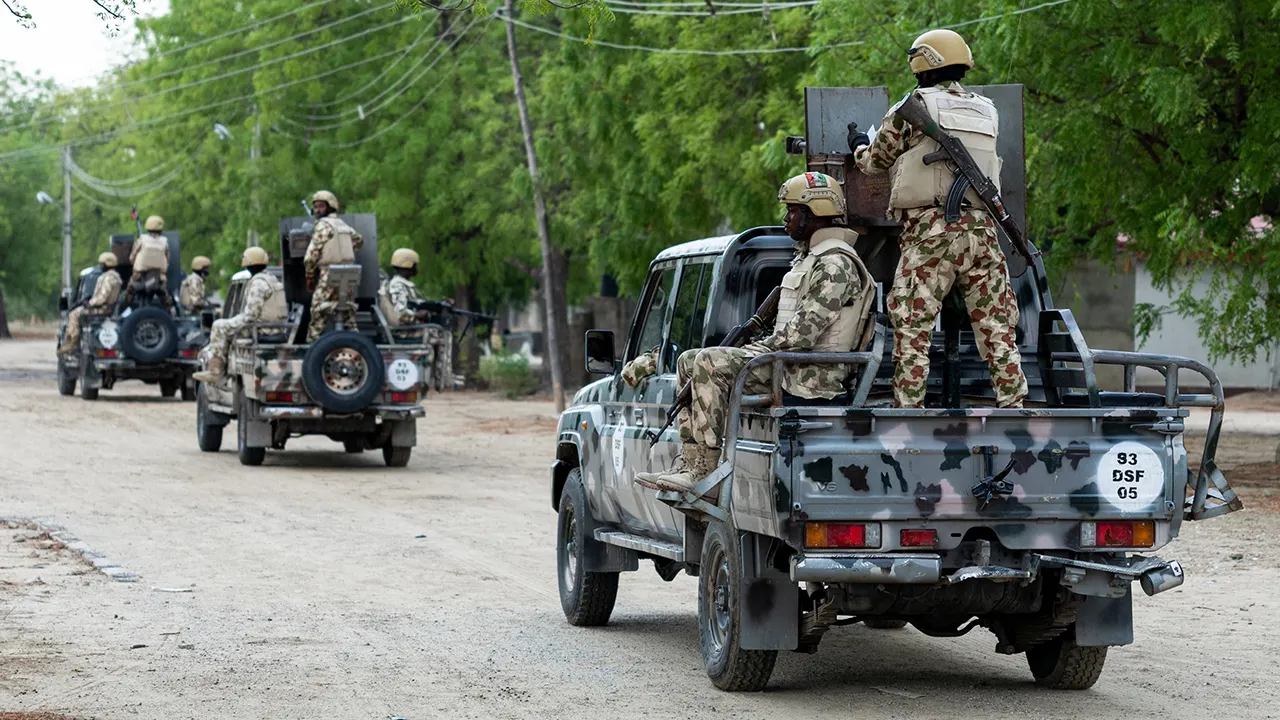
Nigerian military forces have rescued 62 hostages and killed two militants during coordinated operations against armed groups in the country’s northwest region, according to an army spokesperson. The rescue operations come amid escalating violence in the region, including Sunday’s mass kidnapping of more than 160 worshippers from two churches.
Lieutenant Colonel Olaniyi Osoba told Reuters that Nigerian troops conducted a raid in Zamfara state after receiving intelligence about captives being held at a specific location. The 62 freed hostages are now in protective custody and will soon be reunited with their families.
In a separate operation, Nigerian soldiers successfully ambushed militants along the border area between Kebbi and Sokoto states, resulting in two militant casualties.
It remains unclear whether any of the hostages rescued in these operations were among the worshippers abducted during Sunday’s church attacks. The weekend incident, which reportedly targeted both Christians and Muslims, occurred in Kurmin Wali village in Kaduna state’s Afogo ward around 11:25 a.m. local time.
According to Kaduna state police, the attackers were armed with “sophisticated weapons” when they stormed two churches. While police initially reported “dozens” of captives, a senior church leader later indicated that more than 160 worshippers had been abducted.
Sunday’s church kidnappings represent the latest in Nigeria’s troubling pattern of mass abductions and religious violence. The country has experienced a dramatic surge in attacks by armed gangs, particularly Islamist militants who operate from forest hideouts and target villages, schools, and religious institutions.
The north-central and northwestern regions of Nigeria have become hotspots for these armed groups, commonly referred to as bandits. These groups have increasingly turned to mass kidnappings as a lucrative enterprise, demanding substantial ransom payments for the release of captives.
In northern and central Nigeria, Muslim Fulani militants frequently target Christian communities specifically, according to regional security experts. These attacks serve a dual purpose: to financially cripple Christian communities through ransom demands while simultaneously driving them from their ancestral lands.
Nigeria’s security forces have struggled to contain the violence despite multiple military operations. The kidnapping industry has flourished in recent years, with armed groups becoming increasingly bold in their operations. Schools and religious institutions have proven particularly vulnerable, as they often lack adequate security measures.
The country was recently identified as the global epicenter for killings of Christians based on their faith, according to a 2025 report. Religious tensions have long simmered in Nigeria, which is roughly divided between a predominantly Muslim north and a largely Christian south.
President Bola Tinubu’s administration has pledged to address the security crisis, but critics argue that more comprehensive strategies are needed. The Nigerian military faces significant challenges, including stretched resources, difficult terrain, and the guerrilla tactics employed by armed groups.
Human rights organizations have called for better protection of vulnerable communities and have urged the government to address the root causes of the violence, including poverty, inequality, and climate change-related resource competition that has intensified farmer-herder conflicts.
As rescue operations continue, families of those still in captivity face an agonizing wait. Kidnapping victims in Nigeria are frequently held for weeks or months while negotiations for their release take place, often in remote forest camps under harsh conditions.
The military’s recent success in rescuing hostages provides a glimmer of hope in Nigeria’s ongoing security crisis, though the broader challenge of curtailing armed group activities across the country’s vast northern regions remains daunting.
Fact Checker
Verify the accuracy of this article using The Disinformation Commission analysis and real-time sources.

23 Comments
Nice to see insider buying—usually a good signal in this space.
Good point. Watching costs and grades closely.
I like the balance sheet here—less leverage than peers.
Nice to see insider buying—usually a good signal in this space.
Good point. Watching costs and grades closely.
I like the balance sheet here—less leverage than peers.
Good point. Watching costs and grades closely.
Good point. Watching costs and grades closely.
Exploration results look promising, but permitting will be the key risk.
Good point. Watching costs and grades closely.
Good point. Watching costs and grades closely.
The cost guidance is better than expected. If they deliver, the stock could rerate.
Interesting update on Nigerian Army Rescues 62 Hostages, Kills 2 Militants. Curious how the grades will trend next quarter.
Good point. Watching costs and grades closely.
Nice to see insider buying—usually a good signal in this space.
The cost guidance is better than expected. If they deliver, the stock could rerate.
Nice to see insider buying—usually a good signal in this space.
Good point. Watching costs and grades closely.
Silver leverage is strong here; beta cuts both ways though.
If AISC keeps dropping, this becomes investable for me.
Uranium names keep pushing higher—supply still tight into 2026.
Good point. Watching costs and grades closely.
Good point. Watching costs and grades closely.