


Listen to the article
Christchurch Mosque Shooter Seeks to Overturn Guilty Pleas, Citing Prison Conditions
The man responsible for New Zealand’s deadliest mass shooting appeared before an appeals court Monday, claiming his guilty pleas should be overturned because prison conditions forced him to make an irrational decision.
Brenton Tarrant, who killed 51 Muslim worshippers at two Christchurch mosques in 2019, told a three-judge panel at Wellington’s Court of Appeal that “nervous exhaustion” and deteriorating mental health led him to admit to charges of terrorism, murder, and attempted murder.
“I was definitely doing everything possible to come across as confident, assured, mentally well,” Tarrant said during his testimony, which marked the first time he has spoken substantively in public since livestreaming the massacre. “I always wanted to put on the best front possible.”
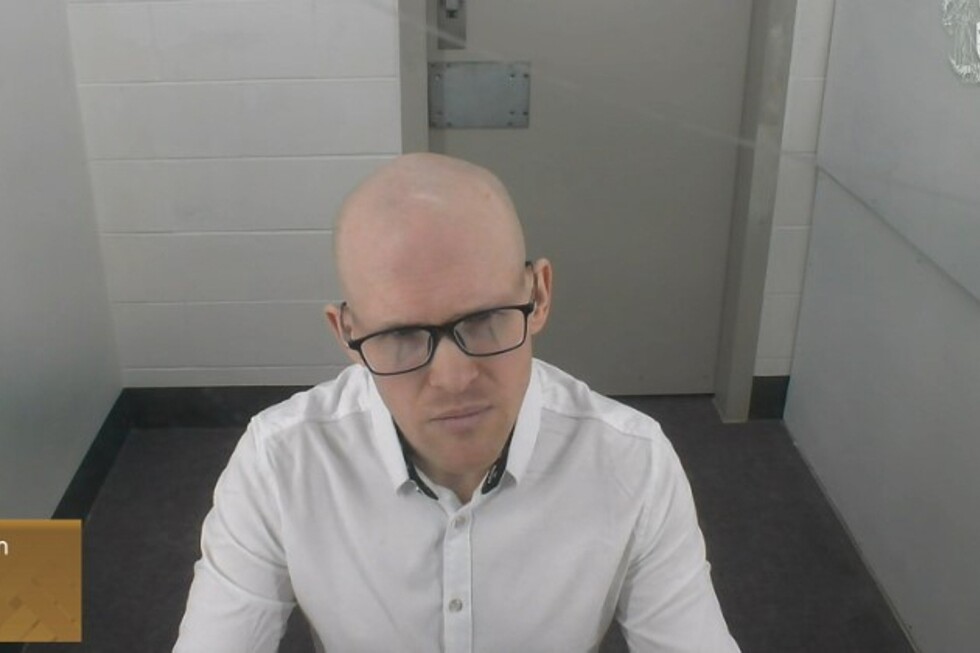
The 35-year-old Australian, who appeared via video link from Auckland Prison with a shaved head and wearing a white button-down shirt, claimed solitary confinement and limited access to reading materials had severely affected his psychological state when he entered guilty pleas in March 2020.
If successful, Tarrant’s appeal would return his case to court for a full trial – a proceeding that was avoided by his guilty pleas. He is also challenging his unprecedented sentence of life imprisonment without the possibility of parole, the first time such a punishment had been imposed in New Zealand’s judicial history.
Crown lawyer Barnaby Hawes challenged Tarrant’s assertions during cross-examination, noting that the gunman had other options available, including requesting a trial delay on mental health grounds or proceeding to defend himself in court. Hawes also pointed out that documentation from mental health experts and prison staff showed little evidence of a serious mental crisis.
Tarrant countered that signs of his mental illness went unrecorded, claiming he had deliberately masked his condition.
The self-proclaimed white supremacist meticulously planned the attack after migrating to New Zealand specifically to carry out the massacre. He accumulated semiautomatic weapons, took precautions to avoid detection, and wrote a lengthy manifesto detailing his extremist ideology before driving from Dunedin to Christchurch on March 15, 2019.
The resulting carnage left 51 people dead, including a 3-year-old boy, and dozens more severely wounded. The attack prompted sweeping changes to New Zealand’s gun laws and led authorities to take unprecedented steps to prevent the spread of the shooter’s manifesto and video footage of the killings.
Monday’s hearing took place under heightened security measures that strictly limited attendance to select reporters and those affected by the massacre. The proceedings are expected to continue throughout the week, with Tarrant’s current lawyers – who have been granted anonymity due to safety concerns – representing him.
The appeal process faces procedural hurdles, as Tarrant filed his appeal documents in September 2022, approximately two years after the 20-working-day deadline for such appeals in New Zealand. Tarrant told the court his delay was due to limited access to necessary information while imprisoned.
The appeals panel is not expected to issue an immediate ruling. If they reject Tarrant’s bid to withdraw his guilty pleas, a subsequent hearing will address his challenge to the sentence of life without parole.
The Christchurch massacre stands as one of New Zealand’s darkest chapters, prompting widespread national grief and soul-searching about extremism, social media responsibility, and gun control. Prime Minister Jacinda Ardern’s compassionate response in the aftermath earned international praise, including her refusal to publicly name the perpetrator to deny him the notoriety he sought.
The current appeals process has reopened wounds for many survivors and victims’ families, who had hoped the guilty pleas would spare them the trauma of a lengthy trial and continued media attention on the perpetrator.
Fact Checker
Verify the accuracy of this article using The Disinformation Commission analysis and real-time sources.

4 Comments
I’m curious to learn more about the specific details of the shooter’s claims regarding his mental health and prison conditions. It’s important to ensure a fair judicial process, even in high-profile and emotionally-charged cases.
This is a very complex and sensitive case. While I don’t condone the shooter’s actions, his mental state and treatment in prison are relevant factors that should be carefully considered by the court.
This case highlights the complex challenges in the criminal justice system, particularly when dealing with mass shootings and mental health issues. I hope the court can reach a fair and just decision.
Overturning guilty pleas is extremely rare. The court will need very strong evidence that prison conditions made the shooter’s decision irrational. This is a difficult situation with no easy answers.