


Listen to the article
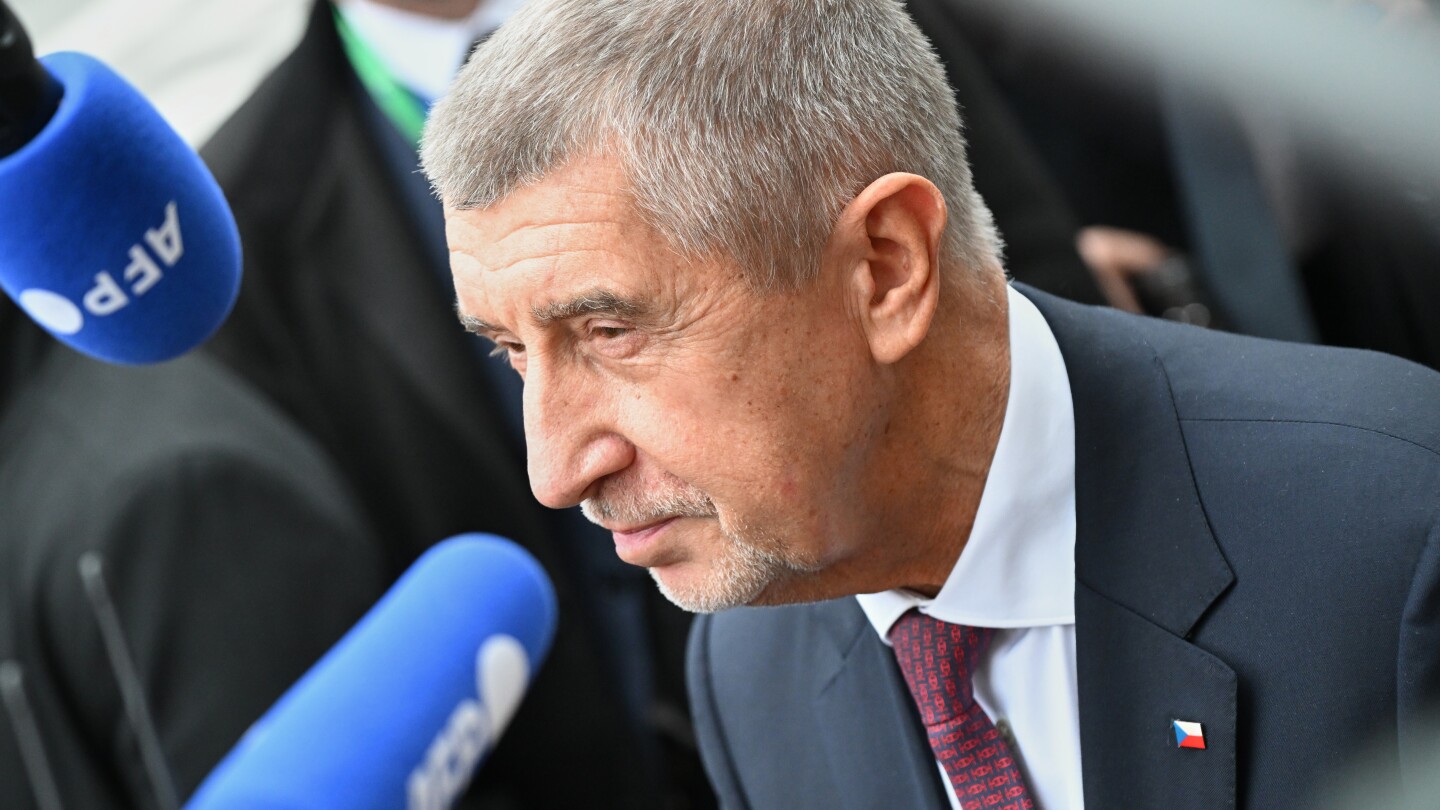
The Czech Republic’s new coalition government, led by populist Prime Minister Andrej Babiš, secured a crucial confidence vote in Parliament on Thursday, marking a significant shift in the country’s political direction. Lawmakers voted 108-91 in favor of the administration, fulfilling the mandatory requirement for the government to take office.
Babiš, who previously served as prime minister from 2017 to 2021, has formed a majority coalition following his ANO (“YES”) movement’s decisive victory in October’s elections. His government partners include two smaller political groups: the anti-migrant Freedom and Direct Democracy party and the right-wing Motorists for Themselves.
The 16-member Cabinet represents a notable realignment in Czech politics, with all three coalition parties sharing an admiration for former U.S. President Donald Trump. Analysts view this alliance as a substantial departure from the country’s previous centrist, pro-Western stance.
Foreign policy changes are expected to be among the most dramatic shifts under the new government. Unlike his predecessor, Babiš has firmly rejected providing financial aid to Ukraine and has opposed guarantees for European Union loans to the war-torn country. This position aligns the Czech Republic more closely with neighboring Hungary under Viktor Orbán and Slovakia under Robert Fico, both of whom have taken similar stances regarding support for Ukraine.
However, the Babiš administration will continue to facilitate a Czech initiative that secured 1.8 million artillery shells for Ukraine from markets outside the EU last year. The government has indicated it will maintain its administrative role in this program while withholding direct financial contributions.
The coalition’s stance on European affairs represents another significant pivot. The Freedom party, one of the junior partners, has expressed skepticism about the Czech Republic’s future in both the European Union and NATO, signaling potential friction with Brussels. More controversially, the party has advocated for the expulsion of most of the approximately 380,000 Ukrainian refugees currently in the country.
Environmental policy also appears set for dramatic change under the coalition. The Motorists for Themselves party, which now controls both the environment and foreign ministries, has rejected the EU’s Green Deal climate initiative. Instead, they have proposed reviving the country’s coal industry, potentially setting up confrontations with European environmental regulations.
The new government’s economic policies are expected to focus on nationalist and populist measures, with Babiš having campaigned on promises to prioritize Czech interests over European integration efforts. Market analysts suggest this could lead to increased budget deficits and potential conflicts with EU fiscal rules.
This political realignment comes amid growing populist and nationalist sentiment across Central Europe. The Czech Republic had previously been viewed as one of the more steadfastly pro-Western nations in the region, but Babiš’s return to power with nationalist coalition partners indicates a significant shift in the country’s political landscape.
Czech political scientists point to economic concerns, immigration issues, and war fatigue as key factors driving this change in voter preferences. The October election results reflected growing public skepticism toward deeper European integration and continued support for Ukraine’s defense against Russian aggression.
As the Babiš government begins implementing its agenda, European officials will be closely monitoring developments in Prague, particularly regarding commitments to EU policies and regional security cooperation.
Fact Checker
Verify the accuracy of this article using The Disinformation Commission analysis and real-time sources.

15 Comments
The confidence vote win for Babiš’s government marks a significant political transition in the Czech Republic. I’ll be keeping an eye on whether this shift in leadership results in any notable changes to the country’s policies on mining, energy, or commodities.
Curious to see if the Babiš government will pursue any changes to the country’s mining and minerals policies. Their political realignment could mean new directions for the Czech Republic’s energy and resource sectors.
Good point. A shift in the government’s priorities on mining, energy, and critical minerals could have wider regional implications.
This new populist government in the Czech Republic is certainly shaking up the political landscape. I wonder how their policies on issues like mining, energy, and natural resources might evolve compared to previous administrations.
Interesting to see how the new Czech government will chart a different political course, especially on foreign policy issues like Ukraine. I’m curious to see how this shift in power will impact the country’s relationship with the EU and the West.
The new Czech government’s victory is certainly a shift in the country’s political winds. I’ll be curious to see if this translates into any changes to mining, energy, or commodity policies compared to previous administrations.
With the new government’s anti-migrant and pro-Trump leanings, I wonder how this might affect the Czech Republic’s stance on issues like investment in critical minerals and energy resources. Could be an interesting shift ahead.
With the rise of Babiš’s populist coalition, I wonder if the Czech Republic will take a different approach to issues like extractive industries, energy security, and critical mineral supply chains going forward.
The victory for Babiš’s populist coalition is certainly a notable political development. I’ll be watching closely to see how their policies on energy, commodities, and mining evolve under the new administration.
The confidence vote win for Babiš’s coalition is a significant political development. I’ll be interested to see if it leads to any policy changes around the Czech Republic’s engagement with global commodity markets and supply chains.
The confidence vote win for Babiš’s government is an important development. I’ll be following closely to see if there are any changes in the Czech Republic’s policies or international positioning when it comes to mining, commodities, and energy.
Interesting to see the Czech Republic moving in a more populist, anti-EU direction under Babiš’s new coalition. I wonder how this might influence the country’s stance on issues like investment in critical minerals and energy infrastructure.
This new populist government in Prague could mean a reshuffling of the Czech Republic’s priorities when it comes to issues like mining, energy, and natural resource management. I’ll be curious to see how their policies evolve in these sectors.
With the shift towards a more anti-establishment, pro-Trump coalition in the Czech Republic, I’m curious to see if there will be any impacts on the country’s approach to managing its mineral and energy resources.
Interesting to see the Czech Republic moving in a more anti-establishment, pro-Trump direction under Babiš’s coalition. I wonder if this will have any impact on the country’s approach to critical minerals, energy, and other commodity-related policies.