


Listen to the article
Israeli PM Netanyahu Downplays Gaza Ceasefire Progress as Key Questions Remain
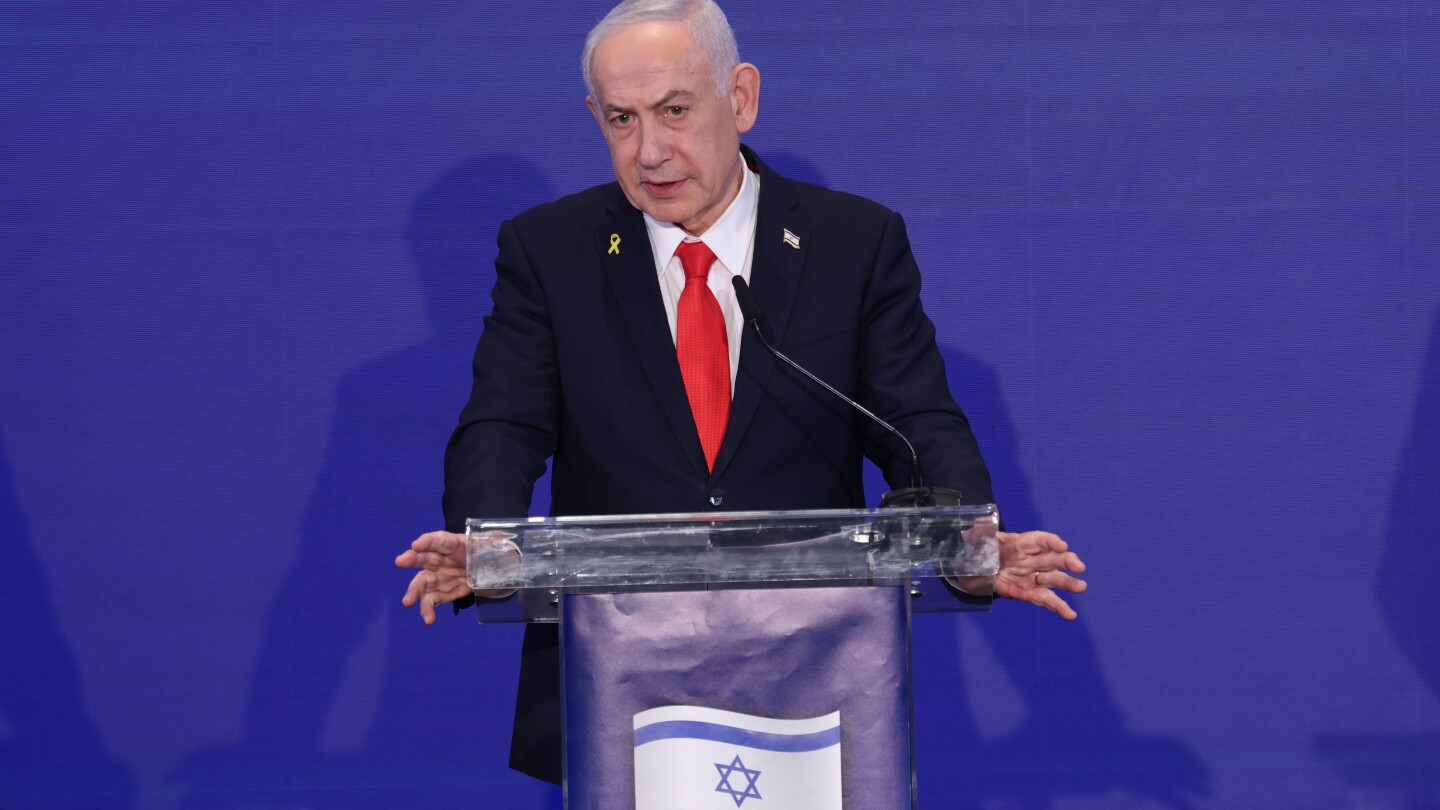
Israeli Prime Minister Benjamin Netanyahu has characterized the U.S. announcement of moving to the second phase of the Gaza ceasefire as largely symbolic, casting doubt on how its more challenging elements will be implemented. Speaking with the parents of Ran Gvili, the last Israeli hostage whose remains are still in Gaza, Netanyahu described the announced Palestinian governing committee as merely a “declarative move” rather than substantive progress.
The Prime Minister’s comments directly contradict the more optimistic tone struck by U.S. envoy Steve Witkoff, who had framed the development as a significant step forward. Netanyahu reassured Gvili’s parents, who had urged him not to advance the ceasefire until their son’s remains were returned, that recovering their son remained a top priority.
While the announcement marks a potential diplomatic breakthrough, numerous critical questions remain unanswered. The composition of the proposed apolitical governing committee of Palestinian experts, the formation of an international “Board of Peace,” and concrete details about disarming Hamas and rebuilding Gaza all lack clarity. An Israeli official, speaking anonymously, claimed the committee’s composition was coordinated with Israel, though specifics weren’t provided.
Ali Shaath, the engineer and former Palestinian Authority official slated to head the committee, outlined a three-year timeline for Gaza’s reconstruction in a radio interview. He described starting with immediate needs like shelter, proposing innovative solutions such as creating new land by pushing rubble into the sea.
“If I bring bulldozers, and push the rubble into the sea, and make new islands, new land, it is a win for Gaza and we get rid of the rubble,” said Shaath, who is a Gaza native.
On the ground, Palestinians expressed skepticism about what the transition to phase two would actually change amid ongoing violence and humanitarian challenges. Gaza’s Health Ministry reported that over 450 people have been killed since the initial ceasefire agreement in October. UNICEF noted that more than 100 children are among these casualties.
Since the start of Israel’s offensive, the ministry reports 71,441 Palestinians have been killed. While Israel disputes these figures, the ministry is widely considered by the UN and independent experts as the most reliable source on war casualties, though it doesn’t distinguish between fighters and civilians.
“We see on the ground that the war has not stopped, the bloodshed has not stopped, and our suffering in the tents has not ended,” said Samed Abu Rawagh, who was displaced to southern Gaza from Jabaliya. “Every day there is suffering in the tents, in the rain and the sun, from sun to rain to death.”
Hamza Abu Shahab, from eastern Khan Younis, expressed cautious hope but emphasized the need for tangible improvements. “We were happy with this news, but we ask God that it is not just empty words,” he said. “We need this news to be real, because in the second phase we will be able to return to our homes… God willing, it won’t just be empty promises.”
Gaza’s more than 2 million residents continue to face severe shortages of humanitarian aid and inadequate shelter as they endure their third winter since the conflict began on October 7, 2023, when Hamas militants killed approximately 1,200 people in southern Israel and took 251 hostages.
The second phase of the ceasefire faces considerably more complex challenges than the first. These include disarming Hamas and transitioning to new governance after nearly two decades of the group’s control of Gaza. The United Nations estimates reconstruction costs will exceed $50 billion, a process expected to take years with limited funding committed thus far.
Hamas has indicated it will dissolve its existing government to accommodate the new committee but hasn’t clarified what will happen to its military wing or Hamas-affiliated civil servants and police. Bassem Naim, a member of the group’s political bureau, welcomed the committee’s announcement as progress toward an independent Palestinian state but provided no details on these critical issues.
Israel continues to insist that Hamas must disarm, while the group’s leadership rejects surrender demands despite two years of devastating conflict, maintaining that Palestinians have “the right to resist.”
As diplomatic maneuvers continue, the disconnect between political announcements and conditions on the ground underscores the fragility of the ceasefire and the enormous challenges ahead for any lasting resolution to the conflict.
Fact Checker
Verify the accuracy of this article using The Disinformation Commission analysis and real-time sources.

5 Comments
This is a complex and sensitive issue. While progress on the ceasefire is welcome, many challenges remain around governance, disarmament, and humanitarian aid. Recovering the remains of Israeli hostages should be a top priority.
Rebuilding Gaza and disarming Hamas are hugely complex challenges that will require significant international cooperation and coordination. Maintaining momentum on the ceasefire will depend on addressing these core issues.
Netanyahu’s skepticism about the ‘declarative’ nature of the ceasefire’s next phase suggests there are still major sticking points to be resolved. A comprehensive and durable peace requires compromise on all sides.
While the ceasefire announcement is a positive step, Netanyahu’s comments indicate the path forward remains uncertain. Balancing security concerns with humanitarian needs will be an ongoing struggle in the region.
The formation of an ‘apolitical governing committee’ and ‘Board of Peace’ raise important questions about the ceasefire’s implementation and oversight. Careful planning and transparency will be critical to building trust on the ground.