


Listen to the article
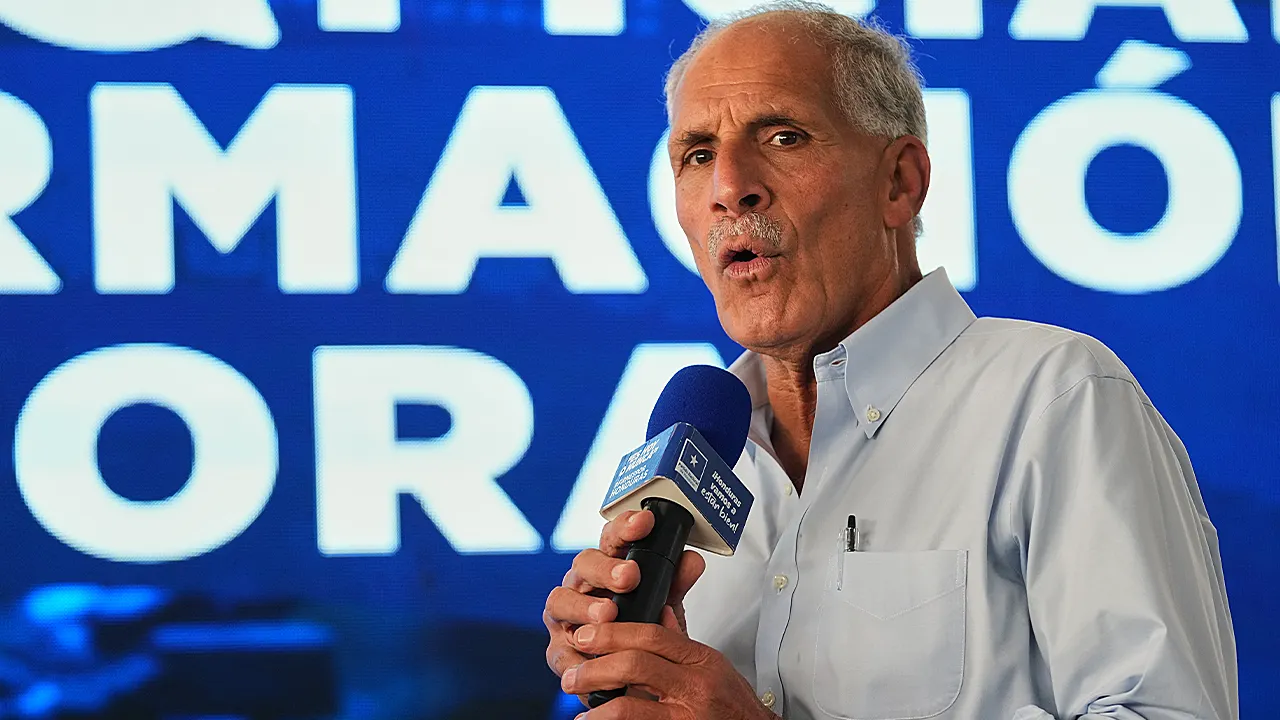
Nasry Asfura Clinches Razor-Thin Victory in Contentious Honduran Presidential Election
Nasry Asfura has won Honduras’ 2025 presidential election by the narrowest of margins, delivering a significant victory for the right-of-center National Party of Honduras (PNH) and reshaping Central America’s political landscape.
Election officials declared Asfura the winner with 40.3% of the vote against Liberal Party candidate Salvador Nasralla’s 39.5% after a tumultuous counting process plagued by technical failures, allegations of fraud, and political controversy. Rixi Moncada, representing the ruling LIBRE party, finished a distant third.
The election’s outcome remained uncertain for nearly a week as authorities struggled with a chaotic ballot processing system. Approximately 15% of tally sheets—representing hundreds of thousands of votes—required manual counting to determine the final result. The razor-thin margin of just 515 votes initially separated the two leading candidates, effectively creating a virtual tie that intensified tensions across the country.
“Honduras: I am ready to govern. I will not let you down,” Asfura declared on social media after his victory was confirmed by electoral authorities.
The result faces significant challenges, however. The head of Honduras’ Congress, Luis Redondo of the LIBRE party, immediately rejected the outcome, describing it as an “electoral coup” and claiming it has “no value” under Honduran law. This political resistance threatens to complicate Asfura’s transition to power.
The electoral process deteriorated on Tuesday when the government website established to share vote tallies with the public experienced severe technical problems and crashed. This development triggered allegations of electoral manipulation, with Nasralla claiming that an algorithm had been used to manipulate vote counts.
“I publicly denounce that today, at 3:24 a.m., the screen went dark and an algorithm, similar to the one used in 2013, changed the data,” Nasralla wrote on social media, alleging that over one million votes had been improperly transferred between the candidates.
The election drew international attention, particularly from the United States. U.S. President Donald Trump intervened multiple times during the campaign and counting process, offering a strong endorsement of Asfura. When the vote counting appeared to stall amid the technical issues, Trump warned on his Truth Social platform: “Looks like Honduras is trying to change the results of their Presidential Election. If they do, there will be hell to pay!”
Following Asfura’s victory, U.S. Secretary of State Marco Rubio extended congratulations, stating that America “looks forward to working with his administration to advance prosperity and security in our hemisphere.”
Asfura, nicknamed “Tito,” enters the presidency with significant governing experience as the former mayor of Tegucigalpa, Honduras’ capital. His campaign emphasized infrastructure development, public order, and government efficiency—priorities that resonated with voters seeking stability in a nation grappling with economic challenges, corruption, and migration pressures.
The election represents a significant shift in Honduras’ political trajectory after the left-leaning presidency of Xiomara Castro. It also marks a setback for Nasralla, a high-profile television personality whose anti-corruption platform garnered substantial support but fell short of victory for the second consecutive presidential election.
The campaign was further complicated when Trump announced plans to pardon former Honduran President Juan Orlando Hernandez, who led the same National Party as Asfura. Hernandez is currently serving a 45-year sentence in the United States for drug trafficking offenses, and Trump’s pardon announcement just days before voting began added another layer of controversy to an already contentious race.
Beyond the presidential contest, Hondurans also voted for a new Congress and hundreds of local positions, creating a complex political landscape that Asfura must navigate as he prepares to take office.
The election’s disputed nature and razor-thin margin raise questions about political stability in Honduras, a country that has struggled with democratic governance challenges for years. How Asfura builds consensus and addresses the concerns of opposition parties will likely determine his administration’s effectiveness in tackling Honduras’ persistent challenges of poverty, violence, and corruption.
Fact Checker
Verify the accuracy of this article using The Disinformation Commission analysis and real-time sources.

14 Comments
This election result in Honduras also seems to signal a shift back toward more conservative, pro-business policies after a period of leftist rule. It will be important to monitor how the new administration handles issues like corruption, human rights, and economic development.
The narrow margin of victory highlights the deep political divisions in Honduras. The incoming president will need to work hard to bridge those gaps and find common ground, rather than further entrenching partisan lines.
This election in El Salvador has been closely watched, given Bukele’s controversial policies and crackdown on opposition. It will be interesting to see how he approaches governing in his second term and manages the country’s economic and social challenges.
Bukele has certainly been a polarizing figure, but his populist appeal seems to have resonated with many Salvadorans. The road ahead may not be easy, but he’ll need to find ways to bridge divides and address pressing issues.
The political shifts in Central America bear watching, as they could have ripple effects on commodity markets and investment climates in the region. Prudent economic management and respect for the rule of law will be important success factors.
Well said. Geopolitical stability and policy continuity are key for attracting the kind of long-term, responsible investment needed to develop the region’s natural resources in a sustainable way.
Overall, these election results point to a shifting political landscape in Central America that bears close watching. The path forward will require deft leadership, pragmatic policymaking, and a balanced approach to economic development and social concerns.
Well said. Navigating these complex challenges will be no easy feat, but getting it right could unlock significant opportunities for the region and its people.
Curious to see how Bukele and the new Honduran administration approach issues like lithium, copper, and other strategic minerals. Careful regulation and fair revenue sharing with local communities will be critical.
Agreed. The race is on globally to secure critical mineral supplies, so how these governments manage their resource wealth will have important implications not just locally, but internationally as well.
Mining and extractive industries will be a key focus area for both El Salvador and Honduras going forward, given their importance to the regional economy. Responsible resource development that benefits local communities will be crucial.
Absolutely. Balancing economic priorities with environmental and social concerns is an ongoing challenge in the mining sector across Latin America. Transparent, inclusive policymaking will be essential.
Curious to see how Bukele’s bitcoin and crypto initiatives will evolve under his continued leadership. While innovative, they’ve also faced skepticism and setbacks. Balancing technological ambition with economic stability will be key.
Agreed. Bukele’s Bitcoin City project in particular has generated a lot of buzz, but also concerns about financial risks and environmental impact. Careful planning and stakeholder engagement will be crucial as he pushes this agenda forward.