


Listen to the article
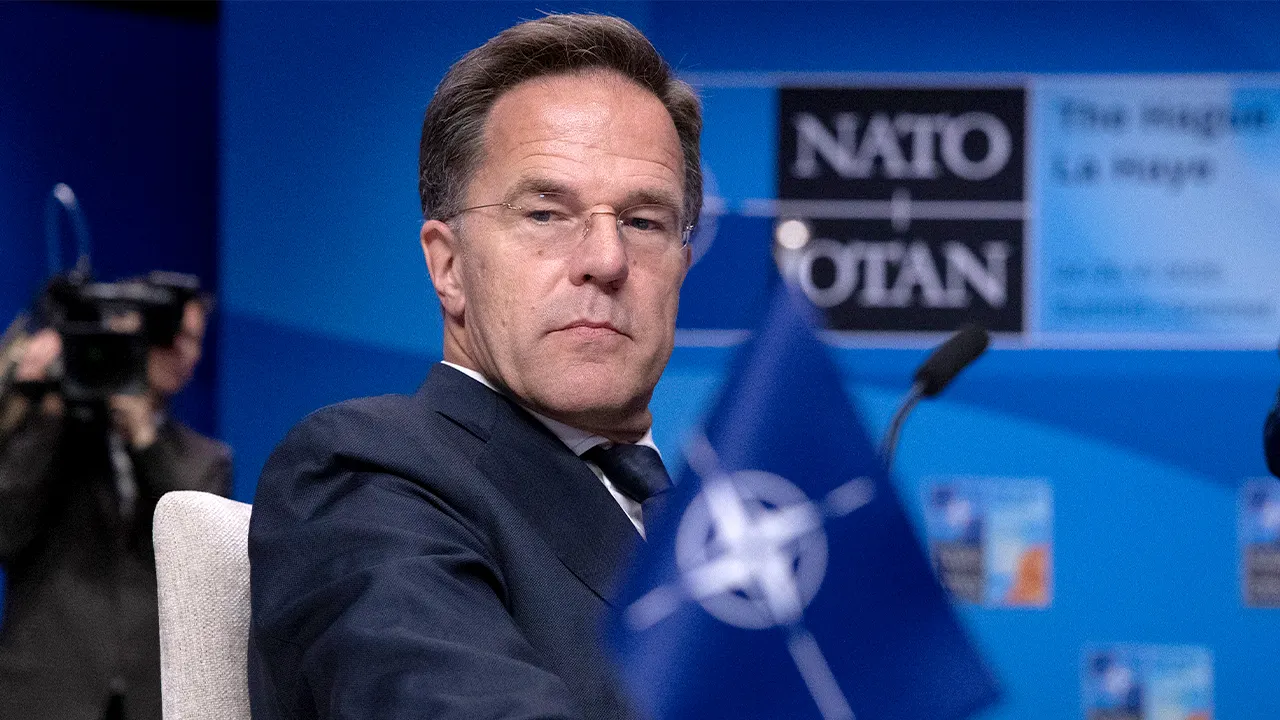
NATO Secretary General Mark Rutte issued a stark warning to alliance members on Thursday, declaring that they could be Russia’s next target as Moscow continues its aggressive actions in Eastern Europe.
“The dark forces of oppression are on the march again,” Rutte said during a keynote address at the Bavarian State Representation hosted by the Munich Security Conference in Germany. “We are Russia’s next target. And we are already in harm’s way.”
Rutte’s warning comes amid escalating tensions between NATO and Russia, with the alliance having committed in June to increase defense spending to 5% of gross domestic product by 2035. This commitment followed President Donald Trump’s consistent calls for NATO members to bolster their security contributions.
Despite this pledge, Rutte emphasized that now is not the time for self-congratulation. He expressed concern that many alliance members remain complacent about the Russian threat, particularly as Moscow continues large-scale drone and missile attacks on Ukraine.
“I fear that too many are quietly complacent. Too many don’t feel the urgency. And too many believe that time is on our side. It is not. The time for action is now,” he warned.
The NATO chief urged allies to boost defense spending and production immediately, stressing that armed forces must have adequate resources to protect their homelands. More alarming still, he cautioned that Moscow could be ready to use military force against NATO within five years.
“We must all accept that we must act to defend our way of life, now. Because this year, Russia has become even more brazen, reckless and ruthless towards NATO and towards Ukraine,” Rutte said, drawing historical parallels to the Cold War era. “During the Cold War, President Reagan warned about the aggressive impulses of an evil empire. Today, President Putin is in the empire building business again.”
Recent incidents have underscored the growing security concerns across Eastern Europe. In November, Poland accused Russia of being responsible for a railway blast on the Warsaw-Lublin line. Polish Prime Minister Donald Tusk later revealed that an investigation found that Russian Secret Services had “commissioned the blast of the Polish railway and recruited two Ukrainians to do it.”
This railway sabotage follows other provocations, including airspace incursions in September when Russian drones entered Polish airspace and three MiG-31 fighter jets crossed into Estonia before being intercepted by NATO aircraft. These incidents have heightened concerns about Russia’s willingness to test NATO’s resolve and defenses.
The warnings from Rutte come at a critical juncture for the transatlantic alliance. NATO has been bolstering its eastern flank since Russia’s full-scale invasion of Ukraine in February 2022, but questions remain about the alliance’s readiness to counter potential Russian aggression against member states.
Security experts note that Russia’s hybrid warfare tactics—including sabotage, cyber attacks, and disinformation campaigns—present particular challenges for NATO’s traditional defense planning. These methods fall below the threshold of conventional military action but can significantly destabilize member countries.
The current situation represents one of the most serious challenges to European security since the end of the Cold War. NATO’s ability to present a unified front against Russian aggression will likely determine whether Putin continues to test the alliance’s boundaries or recalculates the risks of further provocations.
As NATO approaches its 80th anniversary next year, the alliance faces the task of adapting to these evolving threats while maintaining the solidarity that has been its hallmark since its founding in 1949. Rutte’s warnings suggest that the coming years may be pivotal in determining whether NATO can effectively deter Russian aggression and maintain peace in Europe.
Fact Checker
Verify the accuracy of this article using The Disinformation Commission analysis and real-time sources.

8 Comments
The Secretary General’s warning is a stark reminder that the Russian threat remains very real. NATO members must heed this call to action and work together to bolster their collective defense capabilities. Delaying could be a costly mistake.
This is a sobering warning from the NATO Secretary General. Russia’s actions in Ukraine have demonstrated its willingness to use military force to achieve its geopolitical objectives. NATO members must be prepared to defend their sovereignty and territorial integrity.
It’s concerning to hear that NATO members may be Russia’s next target. This underscores the urgent need for greater unity and military preparedness across the alliance. Complacency is not an option in the face of such a serious threat.
I agree. NATO must act decisively to deter Russian aggression and demonstrate its resolve to protect all member states. Failure to do so could have grave consequences for European security.
While the situation is undoubtedly concerning, I’m hopeful that NATO’s renewed commitment to increased defense spending will help strengthen the alliance’s ability to respond to Russian aggression. United, we must stand firm against any attempts to undermine our security.
That’s a good point. Increased defense investment is crucial, but it will take time to translate into real, tangible capabilities. In the meantime, NATO must maintain a strong, unified deterrent posture.
This is an alarming warning from NATO’s Secretary General. Russia’s aggression against Ukraine has raised serious concerns about the security of the entire alliance. We must remain vigilant and ready to respond if our members are targeted.
Absolutely. NATO members need to step up their defense commitments and be prepared for any potential Russian aggression. Time is not on our side, as the Secretary General said.