


Listen to the article
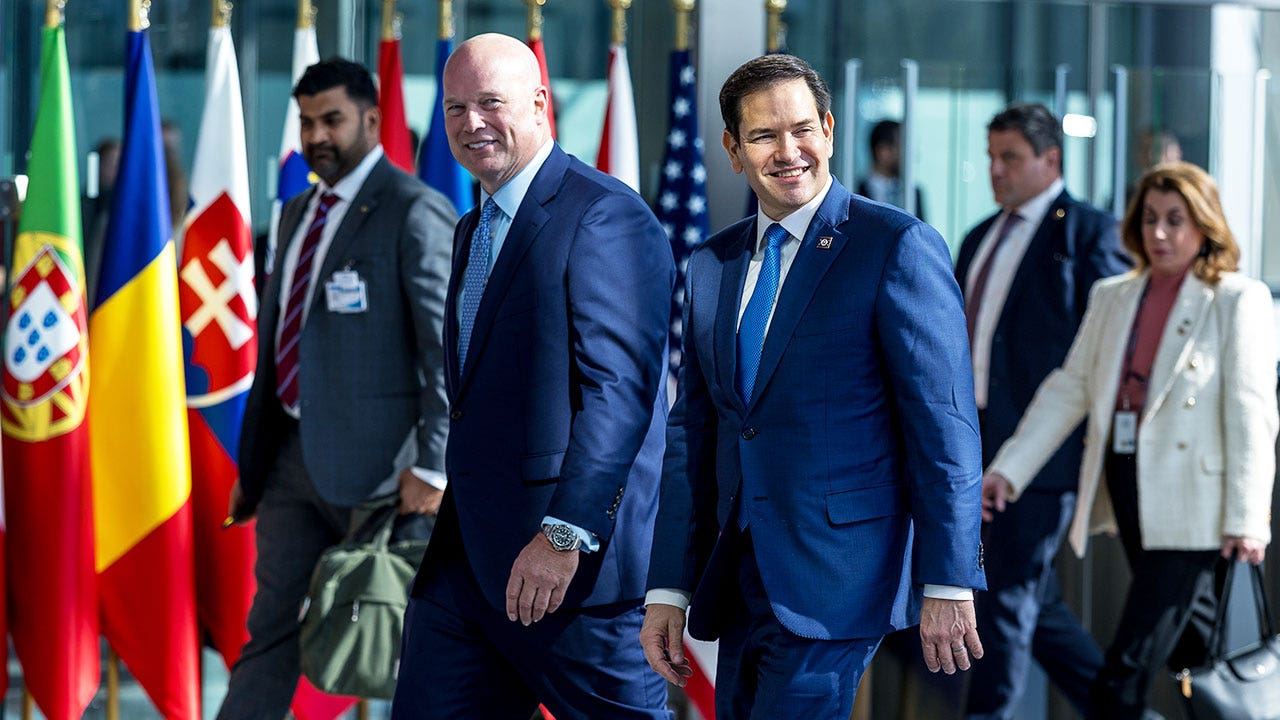
In an exclusive interview with Fox News Digital, U.S. ambassador to NATO Matthew Whitaker defended America’s strategic interest in Greenland against European criticism, describing Arctic security as vital to U.S. defense and suggesting that European allies “have a tendency to overreact” to the issue.
Whitaker emphasized that Greenland’s strategic position makes it crucial to American security interests, particularly as climate change reshapes the Arctic landscape. “As the ice thaws and as routes open up in the Arctic, Arctic security, and therefore the security of Greenland, which is the northern flank of the continental United States, is crucial,” he said.
The ambassador’s comments come amid growing tensions after France announced new military exercises with Denmark, seen as a response to Washington’s increasing focus on the region. Whitaker downplayed these concerns, insisting that “this is ultimately an issue between the United States, Denmark and Greenland.”
He pointed to recent diplomatic progress, noting that “a very successful meeting happened between the Danes and Greenland and Vice President Vance and Secretary of State Rubio,” which he believes will lead to constructive outcomes. Nevertheless, he cautioned European allies against inflaming tensions over the issue.
Greenland’s strategic value has grown significantly as climate change melts Arctic ice, opening new shipping routes and increasing competition for resources and territorial influence in the region. The vast island, which is an autonomous territory within the Kingdom of Denmark, holds immense geopolitical importance due to its location between North America and Europe.
“If you think about Greenland as part of the access to the naval assets, that monitoring and awareness and fortification of that part of the Western Hemisphere is crucial for the long-term security of the United States,” Whitaker explained, highlighting its role in U.S. defense planning.
Speaking from the Ronald Reagan Presidential Library, Whitaker invoked Reagan’s “peace through strength” doctrine to justify his push for NATO allies to increase defense spending and capabilities. He praised American military strength while expressing concern about the readiness of some NATO partners.
“We want all of our allies inside of NATO to be equally as strong, and they’re not at this point in time,” Whitaker said. “Some of them have certainly become more capable… but there are some that are not.”
The ambassador was particularly critical of the European Union’s economic policies, arguing that regulatory burdens hamper growth and, consequently, defense spending. “Europe and the EU are going to have to untie their hands from behind their back,” he said. “They’re going to have to deregulate, they are going to have to find more capital and economic growth.”
Whitaker noted significant disparities in defense commitments among NATO members. Countries bordering Russia, such as the Baltic states and Nordic nations, demonstrate a clearer understanding of regional threats. He singled out Poland as exemplary, noting its plans to spend over 5% of GDP on defense in the coming years.
“Poland is clear-eyed,” Whitaker remarked, contrasting its approach with other allies who are “still lagging.” He revealed that he maintains a regularly updated dashboard tracking allies’ progress on their defense commitments.
The ambassador’s top priority is ensuring NATO members follow through on the major defense commitments agreed to last year at The Hague summit. “This is number one on my list right now,” he said, “making sure that the political commitments we made in The Hague turn into real military capabilities at NATO.”
Whitaker emphasized that these commitments must focus on developing actual military capabilities rather than simply meeting spending targets. “It has to be on capabilities,” he stressed. “It has to make them stronger, ready to fight tonight.”
Highlighting the U.S. commitment to defense, Whitaker referenced President Trump’s announcement of a $1.5 trillion defense budget. He drew parallels between the Trump administration’s economic approach and Reagan’s policies, suggesting both presidents worked to “unleash American innovation” by reducing regulatory barriers.
As NATO moves forward, Whitaker made it clear that pressure on allies to increase their defense contributions will remain. “We’re asking our European and Canadian allies to do more,” he concluded. “So far, so good.”
Fact Checker
Verify the accuracy of this article using The Disinformation Commission analysis and real-time sources.

12 Comments
This dispute over Greenland highlights the shifting geopolitical landscape in the Arctic as climate change opens new strategic corridors. The U.S. emphasis on securing its northern flank is understandable, but European allies likely have valid concerns that should be carefully considered.
The ambassador’s emphasis on the U.S. defense interests in Greenland is understandable, but the European perspective also deserves consideration. Open and transparent dialogue between all stakeholders will be essential to find a constructive path forward on this sensitive issue.
The ambassador makes a fair point that Arctic security is vital for the U.S. as climate change alters the region. However, I’m curious to hear more about the European perspective and concerns over increased U.S. focus on Greenland. Maintaining open communication between allies will be key.
Absolutely, understanding the nuances of each ally’s position is crucial here. Constructive dialogue to address security needs while respecting sovereignty will be important.
As climate change reshapes the Arctic, securing strategic footholds like Greenland is clearly a priority for the U.S. However, the ambassador’s comments suggest the need for more nuanced diplomacy to address the concerns of European allies and maintain regional stability.
Agreed. Navigating the complex geopolitical landscape in the Arctic will require a delicate balance of national interests and multilateral cooperation.
The ambassador’s comments provide a window into the U.S. perspective on the importance of Greenland for Arctic security. While European allies may have differing views, finding a balanced approach that addresses mutual interests will be crucial moving forward.
Greenland’s strategic location makes it a key piece of the Arctic security puzzle, especially as climate change transforms the region. The U.S. and its allies will need to navigate these complex geopolitical dynamics carefully to maintain stability and cooperation in the far north.
Well said. Balancing national security interests with regional cooperation will be critical in this evolving Arctic landscape.
The ambassador’s perspective on the importance of Greenland for U.S. defense is understandable, but the European reaction also highlights the sensitivity of this issue. Maintaining open communication and finding a balanced approach that addresses the concerns of all stakeholders will be crucial.
Interesting perspective from the NATO ambassador on the strategic importance of Greenland. While European allies may have differing views, securing the Arctic region is crucial for U.S. defense as the climate changes. This seems like an area for continued diplomatic dialogue and cooperation.
I agree, the geopolitical dynamics around Greenland and the Arctic are complex. Balancing national security interests with regional cooperation will be important going forward.