


Listen to the article
American Journalist Released After Kidnapping in Iraq, Mother Hopes for Reunion
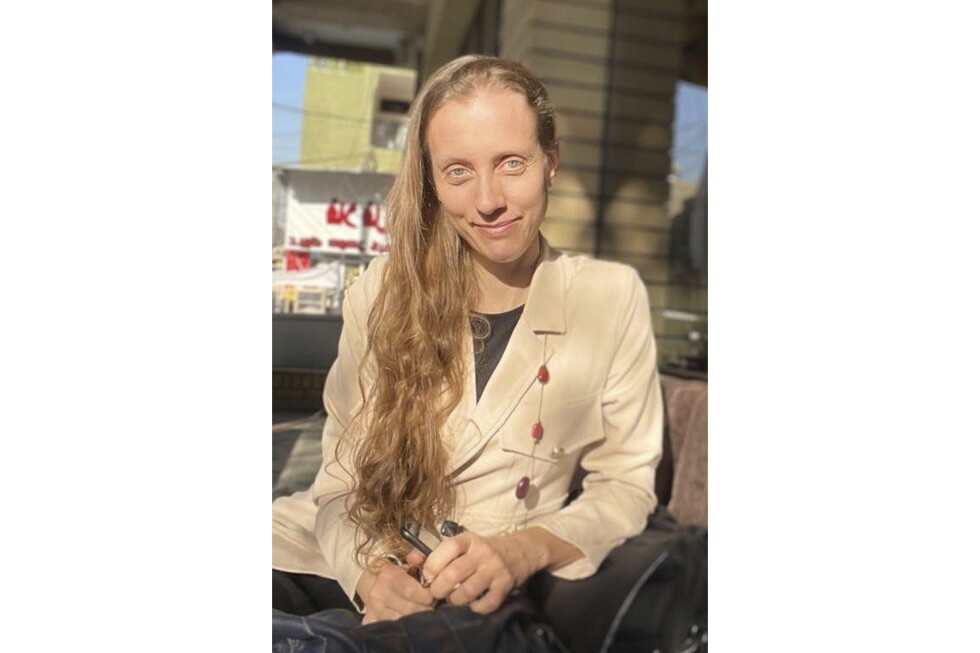
An American freelance journalist has been released after being held captive by an Iran-backed militia group in Iraq, ending a harrowing ordeal that began on March 31. Shelly Kittleson, 49, was kidnapped by Kataib Hezbollah from a Baghdad street corner and freed Tuesday, according to U.S. Secretary of State Marco Rubio.
Two officials within the militia, speaking on condition of anonymity due to lack of authorization to comment publicly, told The Associated Press that Kittleson’s release came as part of an exchange. Several Kataib Hezbollah members who had been detained by Iraqi authorities would be released in return for the journalist’s freedom.
From her home in Mount Horeb, Wisconsin, Barb Kittleson expressed relief at her daughter’s release, though she indicated that U.S. officials have advised restraint in public comments about the situation. The mother visited her local library in the small village of 7,000 people to email her daughter, preparing her bedroom in hopes of a long-awaited homecoming.
“I hope she returns to the U.S.,” Barb Kittleson said, noting that she hasn’t seen her daughter in over two decades. Their last meeting was in 2002 when Barb visited Italy, where Shelly had relocated in 1995 at age 19 to study and work as a nanny.
Shelly Kittleson has built a reputation as a courageous journalist covering conflict zones across the Middle East. Her reporting from Iraq, Syria, and other regional hotspots has appeared in various publications, including Al-Monitor, where she developed expertise in covering complex regional conflicts.
The circumstances surrounding her captivity remain partially unclear, with Barb Kittleson mentioning that U.S. officials are limiting contact with her daughter for approximately a week. She also expressed uncertainty about whether her daughter’s captors had confiscated her phone and computer, potentially impeding communication.
The kidnapping comes at a time of heightened tensions in Iraq, where Iran-backed militias have increased attacks on U.S. facilities amid ongoing conflicts in the region. Kataib Hezbollah, specifically, has been implicated in previous kidnappings of foreigners in Iraq.
Another high-profile case involved Elizabeth Tsurkov, a Princeton graduate student with Israeli and Russian citizenship, who disappeared in Baghdad in 2023. After being freed in September 2025, Tsurkov revealed she had been held by Kataib Hezbollah, although the group never officially claimed responsibility for her abduction.
Barb Kittleson’s hope for reunion comes following personal tragedy. Her husband, Bob, died of pancreatic cancer earlier in 2024, adding emotional weight to her desire to reconnect with her daughter after so many years apart.
Security experts note that the negotiation of Kittleson’s release demonstrates the complex interplay between militia groups, Iraqi authorities, and U.S. diplomatic efforts in the region. The apparent prisoner exchange underscores the continuing challenges of ensuring journalist safety in conflict zones, particularly for freelancers who often work with fewer institutional protections than staff reporters from major news organizations.
As Kittleson begins her recovery from captivity, the case highlights the persistent risks faced by foreign correspondents in Iraq and similar environments, where journalists can become pawns in broader geopolitical conflicts despite their status as neutral observers.
Fact Checker
Verify the accuracy of this article using The Disinformation Commission analysis and real-time sources.

7 Comments
This is a difficult and emotional situation for the journalist’s family. I can only imagine the relief and anxiousness they must be feeling. Wishing them strength during this time, and hoping for the journalist’s safe return home to Wisconsin.
Kidnappings of journalists in conflict zones are deeply troubling. While I’m relieved this reporter was freed, the circumstances around the exchange for detained militia members raise questions. I hope the authorities can provide more transparency around the details to ensure the journalist’s safety was the top priority.
Yes, transparency is key. The public deserves to know the full context around the journalist’s release and any deals made, to understand if proper protocols were followed.
Journalists risk their lives to report from dangerous conflict zones, and their families endure unimaginable stress when they go missing. I’m glad this reporter was freed, but the exchange with detained militia members is concerning. I hope the authorities can fully explain the circumstances and ensure her safety moving forward.
This is a relief to hear that the American journalist was freed after being held captive in Iraq. My heart goes out to the mother hoping for her daughter’s safe return home. The exchange with detained militia members is a concerning development, but the priority should be ensuring the journalist’s well-being and reunion with her family.
I agree, the priority should be the journalist’s safe return. Hopefully this ordeal ends with her reunited with her family as soon as possible.
While I’m glad the American journalist was freed from her captors in Iraq, the details around the exchange for detained militia members are troubling. Journalists must be able to report safely, without fear of abduction. I hope this incident leads to stronger protections for members of the press in conflict areas.