


Listen to the article
Middle Eastern Allies Urge US Restraint on Iran as Protests Face Crackdown
Several key Middle Eastern allies have urged the Trump administration to refrain from military strikes against Iran over the government’s deadly crackdown on protesters, according to an Arab diplomat familiar with the sensitive discussions.
Officials from Egypt, Oman, Saudi Arabia, and Qatar have expressed concerns in the past 48 hours that U.S. military intervention could destabilize an already volatile region and send shockwaves through the global economy. These diplomatic overtures come amid shifting signals from President Donald Trump about his intentions toward Iran.
Oil prices fell Thursday as markets interpreted Trump’s changing rhetoric as a sign he may be moving away from military action after days of issuing strong threats against Tehran for its brutal response to protests.
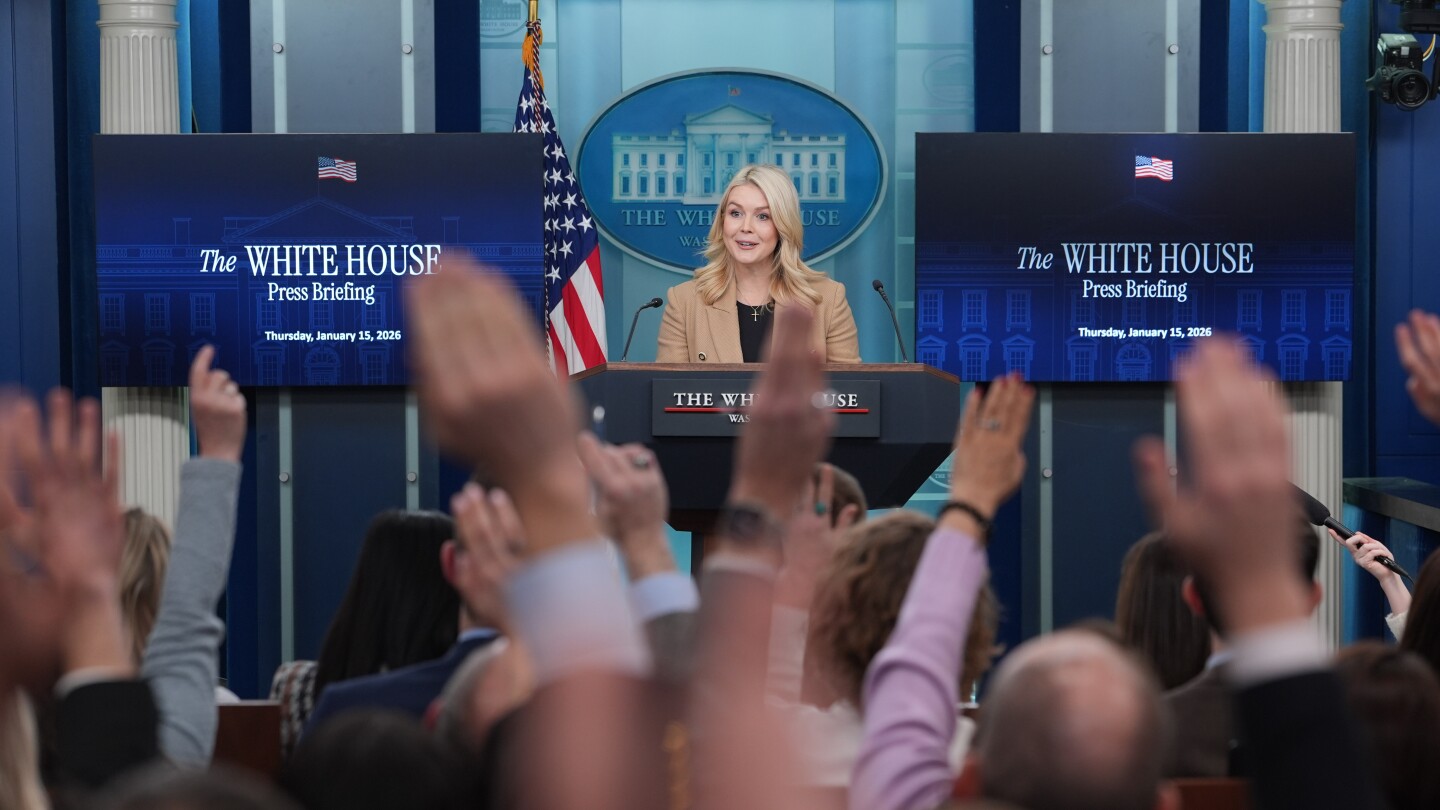
“The truth is only President Trump knows what he’s going to do and a very, very small team of advisers are read into his thinking on that,” said White House press secretary Karoline Leavitt, who maintained that “all options remain on the table” for the president.
The nationwide protests challenging Iran’s theocratic leadership appear increasingly suppressed after authorities isolated the country from the world and intensified a violent crackdown that activists report has killed at least 2,637 people.
In their communications with Washington, Arab officials stressed that a U.S. strike could have far-reaching consequences beyond Iran’s borders. These same officials have also reportedly pressed senior Iranian leaders to quickly end the violent suppression of protesters, warning Tehran that any retaliation against the U.S. or regional targets would trigger significant repercussions.
Trump’s messaging has shown remarkable inconsistency in recent days. After initially offering assurances to Iranian citizens that “help is on its way” and encouraging them to take over their country’s institutions, he abruptly changed course on Wednesday, claiming he had received information from “very important sources on the other side” that Iran had stopped killing protesters and was not proceeding with executions.
The White House later asserted that Iran had halted 800 scheduled executions, and Trump himself highlighted news about the suspension of a death sentence for 26-year-old Iranian shopkeeper Erfan Soltani, writing, “This is good news. Hopefully, it will continue!” Iranian state media, however, denied Soltani had been condemned to death, saying he was being held on charges of “propaganda activities against the regime.”
U.S. Ambassador to the United Nations Mike Waltz struck a more aggressive tone during a Security Council meeting on the Iran protests, declaring, “President Trump is a man of action, not endless talk like we see at the United Nations. He has made it clear all options are on the table to stop the slaughter.”
Analysts point to several potential factors behind Trump’s apparent hesitation. Jeremy Shapiro, research director of the European Council on Foreign Relations, suggested the current U.S. force posture in the Middle East might be a consideration. The USS Gerald R. Ford aircraft carrier and its strike group, typically considered essential for major military operations, are currently deployed to the Southern Command region for counter-narcotics operations focused on Venezuela.
“It might be that they’re delaying things and using the time for getting that posture correct,” Shapiro noted.
Trump has previously employed strategic ambiguity regarding his military intentions. Last June, before ordering B-2 bombers to strike Iranian nuclear sites, he publicly announced through Leavitt that he would decide whether to strike Iran “within the next two weeks” – only to launch attacks less than two days later.
While potentially stepping back from military action, the administration continues applying diplomatic and economic pressure. On Thursday, the Treasury Department announced new sanctions targeting the secretary of Iran’s Supreme Council for National Security, who allegedly was among the first officials to call for violence against protesters. The sanctions also targeted 18 individuals and companies accused of participating in a shadow banking network to launder money from Iranian oil sales.
As regional allies continue advocating for restraint and Iranian protests face mounting suppression, the international community remains on edge waiting to see whether Trump’s unpredictable decision-making will lead to military confrontation or diplomatic resolution.
Fact Checker
Verify the accuracy of this article using The Disinformation Commission analysis and real-time sources.

30 Comments
Uranium names keep pushing higher—supply still tight into 2026.
Good point. Watching costs and grades closely.
Good point. Watching costs and grades closely.
Production mix shifting toward World might help margins if metals stay firm.
I like the balance sheet here—less leverage than peers.
Good point. Watching costs and grades closely.
Interesting update on Middle East allies in blitz of diplomacy urged Trump to hold off on Iran strikes, diplomat says. Curious how the grades will trend next quarter.
Good point. Watching costs and grades closely.
Good point. Watching costs and grades closely.
Silver leverage is strong here; beta cuts both ways though.
Good point. Watching costs and grades closely.
Silver leverage is strong here; beta cuts both ways though.
Good point. Watching costs and grades closely.
I like the balance sheet here—less leverage than peers.
Good point. Watching costs and grades closely.
Interesting update on Middle East allies in blitz of diplomacy urged Trump to hold off on Iran strikes, diplomat says. Curious how the grades will trend next quarter.
Good point. Watching costs and grades closely.
Exploration results look promising, but permitting will be the key risk.
Good point. Watching costs and grades closely.
If AISC keeps dropping, this becomes investable for me.
Good point. Watching costs and grades closely.
Good point. Watching costs and grades closely.
The cost guidance is better than expected. If they deliver, the stock could rerate.
Good point. Watching costs and grades closely.
Good point. Watching costs and grades closely.
The cost guidance is better than expected. If they deliver, the stock could rerate.
Good point. Watching costs and grades closely.
Good point. Watching costs and grades closely.
Interesting update on Middle East allies in blitz of diplomacy urged Trump to hold off on Iran strikes, diplomat says. Curious how the grades will trend next quarter.
Good point. Watching costs and grades closely.