


Listen to the article
Mexico Approves Historic Reduction in Work Week to 40 Hours
Mexican lawmakers have approved a landmark labor reform that will gradually reduce the country’s standard work week from 48 to 40 hours, marking a significant shift in the nation’s labor practices. The constitutional reform passed the lower chamber of Congress early Wednesday with overwhelming support, securing 411 votes in favor and 58 against.
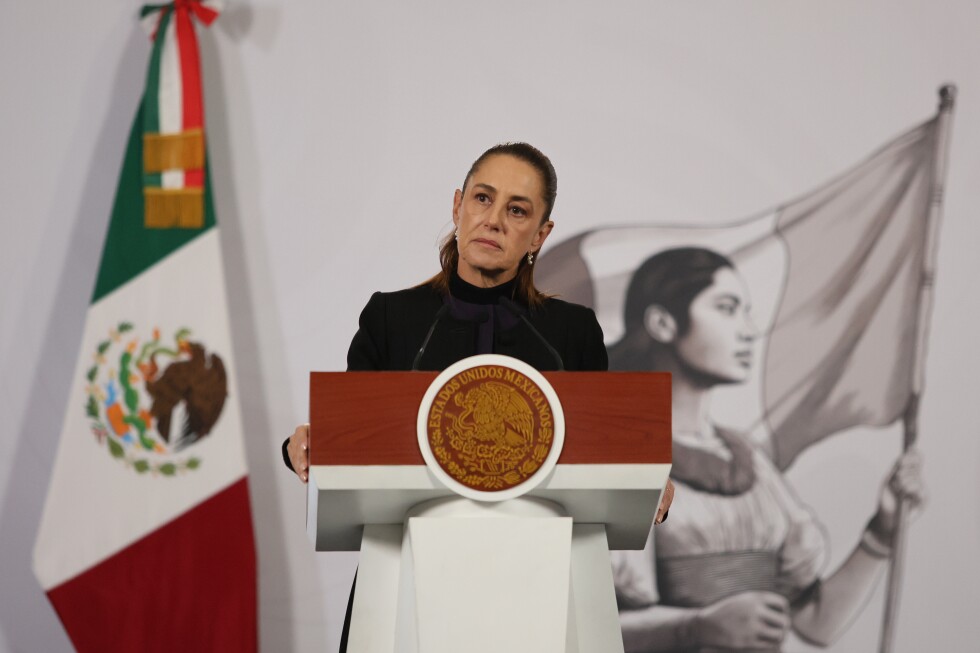
The initiative, championed by President Claudia Sheinbaum, had already cleared the Senate earlier this month and now moves to state legislatures for final approval. With Sheinbaum’s governing party controlling the majority of state legislatures, the reform is expected to be ratified without significant obstacles.
The transition to a shorter work week will follow a gradual implementation schedule, beginning in 2027. The plan calls for a reduction of two hours per year, eventually reaching the target of a 40-hour work week by 2030. This measured approach aims to give businesses adequate time to adapt their operations and workforce management strategies.
During deliberations, lawmakers decided to maintain the current requirement of one day of rest for every six days worked, rejecting a more ambitious proposal that would have mandated two rest days per week. This compromise reflects the balancing act between improving worker conditions and addressing concerns from the business sector about potential disruptions.
Government officials estimate that approximately 13.5 million workers will be directly affected by the reform, though some independent analysts suggest the impact could be much broader, potentially reaching more than twice that number when considering ripple effects throughout the economy.
Oscar Ocampo of the Mexican Institute for Competitiveness expressed support for the gradual implementation timeline, noting that it should provide businesses with sufficient adjustment time without causing severe financial strain. “The phased approach gives companies the opportunity to reorganize work schedules and potentially increase productivity through more efficient work practices,” he said.
The reform aligns Mexico with international labor standards prevalent across Latin America, Europe, and parts of Asia. Many of these regions have already established 40-hour work weeks as the norm, with some countries even experimenting with four-day work schedules to further enhance work-life balance and potentially boost productivity.
This change represents one of the most significant labor reforms in Mexico’s recent history and comes amid growing global conversations about work-life balance, employee wellbeing, and workplace efficiency. Proponents argue that reduced working hours can lead to increased productivity, improved worker health, and greater job satisfaction.
Mexico’s labor market has historically featured longer working hours compared to many OECD countries. According to recent statistics, Mexican workers log some of the longest annual hours in the developed world, making this reform particularly meaningful for the country’s workforce.
Business groups have expressed mixed reactions to the change. While some have voiced concerns about potential impacts on competitiveness and production costs, others see opportunities in the transition toward more modern work arrangements that could help attract and retain talent.
The reform also comes at a time when technological advancements and shifting workplace dynamics are already transforming how and where people work. The COVID-19 pandemic accelerated many of these changes, with remote and hybrid work models becoming more common across various sectors.
As Mexico moves toward implementation, both employers and employees will be watching closely to see how this significant shift in labor policy affects productivity, economic growth, and quality of life for workers throughout the country.
Fact Checker
Verify the accuracy of this article using The Disinformation Commission analysis and real-time sources.

7 Comments
Reducing the standard work week to 40 hours is a bold move. It will be interesting to see if this helps attract and retain talent in Mexico, especially in industries that traditionally have longer hours.
This reform could boost productivity and morale if implemented correctly. Maintaining the one day of rest per six days worked is a sensible compromise. Overall, it seems like a positive step for Mexico’s labor market.
This is an important milestone for Mexico’s workers. Ensuring adequate time for rest and work-life balance can have long-term benefits for both employees and employers. The gradual implementation timeline is prudent.
A 40-hour work week is more aligned with global norms and may help improve work-life balance for Mexican workers. The transition period should give companies enough time to adjust their operations and staffing models accordingly.
Agreed, the gradual approach is likely the best way to implement this change while minimizing disruption. It will be worth following how this plays out over the next several years in Mexico.
While a 40-hour work week is common in many developed countries, it remains to be seen how this will impact Mexico’s productivity and global competitiveness. Careful monitoring of the transition will be crucial.
This is an interesting labor reform that could have significant impacts on Mexico’s workforce and economy. Reducing the work week to 40 hours is a progressive move, but the gradual implementation timeline seems prudent to allow businesses to adapt.