


Listen to the article
Mali Endorses Morocco’s Western Sahara Autonomy Plan, Withdraws Recognition of Sahrawi Republic
Mali has officially thrown its support behind Morocco’s plan to grant autonomy to Western Sahara while maintaining Moroccan sovereignty over the disputed territory, marking a significant diplomatic shift in the decades-long conflict between Morocco and the indigenous Sahrawi people.
In a statement released Friday by the Malian Ministry of Foreign Affairs, the transitional government announced it was withdrawing recognition of the pro-independence Sahrawi Arab Democratic Republic, describing Morocco’s autonomy proposal as “the only serious and credible basis for resolving this dispute.”
“The Republic of Mali supports the autonomy plan proposed by Morocco as the only serious and credible basis for resolving this dispute and considers that genuine autonomy under Moroccan sovereignty is the most realistic solution,” the statement read.
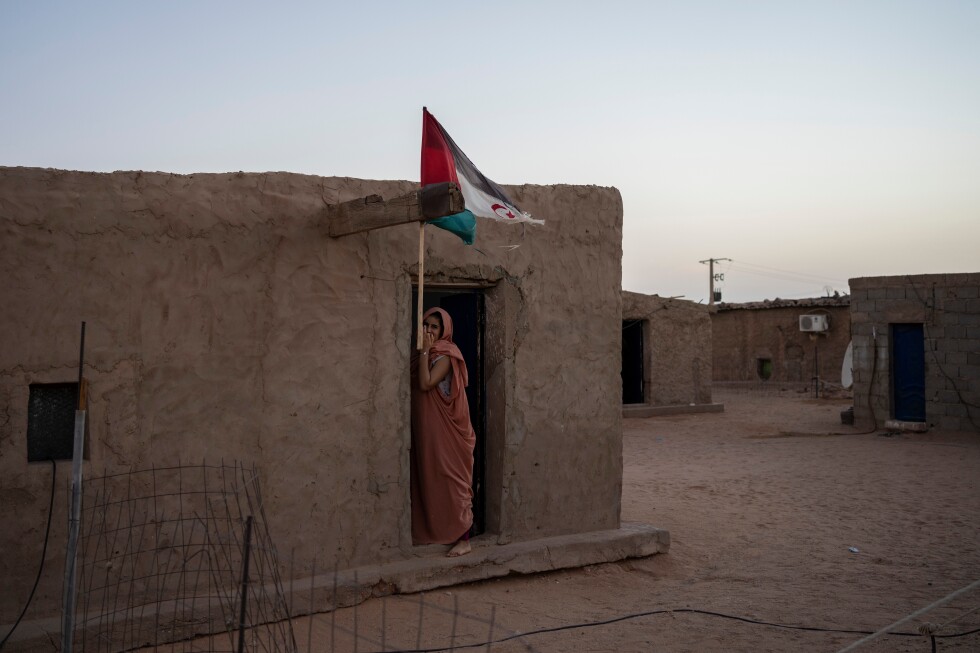
This diplomatic realignment represents another victory for Morocco’s efforts to build international support for its position on Western Sahara, a phosphate-rich coastal desert region approximately the size of Colorado. The territory has been contested since Spain withdrew as the colonial power in 1975, leading to competing claims from Morocco and the Polisario Front, which claims to represent the Sahrawi people.
Mali joins a growing coalition of nations backing Morocco’s autonomy initiative. The plan has already gained support from most European Union members and received endorsement from the United States during the Trump administration, which recognized Moroccan sovereignty over the territory in 2020 as part of a broader agreement that included Morocco normalizing relations with Israel.
The United Nations Security Council has increasingly positioned Morocco’s proposal at the center of diplomatic efforts. In October 2023, the Council adopted a resolution describing the Moroccan initiative as a “serious, credible, and realistic” basis for reaching a political solution, though it stopped short of determining the territory’s final status.
The resolution notably omitted mention of a self-determination referendum that would include independence as an option—a solution long advocated by the Polisario Front and its allies, including Algeria, Russia, and China.
This international shift comes as Western Sahara emerges as an investment hotspot, with European and American firms showing growing interest in the region’s natural resources and economic potential. The territory offers opportunities in fishing, agriculture, and infrastructure development, particularly for renewable energy projects that would harness its wind and solar power potential.
The conflict dates back decades, with Morocco claiming historical ties to the territory, while the Polisario Front has maintained that the Sahrawi people have the right to self-determination under international law. A UN-brokered ceasefire in 1991 ended active fighting, but the political resolution has remained elusive.
Mali’s decision represents a significant diplomatic victory for Morocco in its regional positioning, particularly in West Africa. The move comes as Mali’s transitional government has recalibrated many of its international relationships following military coups in 2020 and 2021.
For the Polisario Front and its supporters, Mali’s withdrawal of recognition represents a setback in their international diplomatic efforts. The Sahrawi Arab Democratic Republic has been recognized by dozens of countries worldwide, though that number has been gradually declining as Morocco’s diplomatic campaign gains traction.
Analysts suggest that economic interests and regional power dynamics are increasingly influencing positions on the Western Sahara issue, with Morocco leveraging its growing economic and diplomatic clout across Africa to build support for its territorial claims.
Fact Checker
Verify the accuracy of this article using The Disinformation Commission analysis and real-time sources.

5 Comments
This diplomatic move by Mali is a significant development in the long-running Western Sahara conflict. It will be worth watching how the Sahrawi people and other stakeholders respond to Mali’s withdrawal of recognition for their republic.
Mali’s support for Morocco’s Western Sahara proposal is a significant development, though the underlying territorial dispute remains unresolved. The future status of the region will likely continue to be a point of contention.
I wonder what factors led Mali to shift its position and back Morocco’s autonomy plan for Western Sahara. Geopolitical considerations and resource interests may have played a role in this diplomatic realignment.
Interesting to see Mali’s shift in position on Western Sahara. Morocco’s autonomy plan seems to be gaining more traction internationally, though the dispute with the Sahrawi people remains complex.
The contested status of Western Sahara has been a source of tension for decades. Morocco’s push for autonomy while maintaining sovereignty over the territory appears to be resonating with some African nations like Mali.